4.21 The Biodiversity Add-On: Rain Garden or Native Plant Strip?
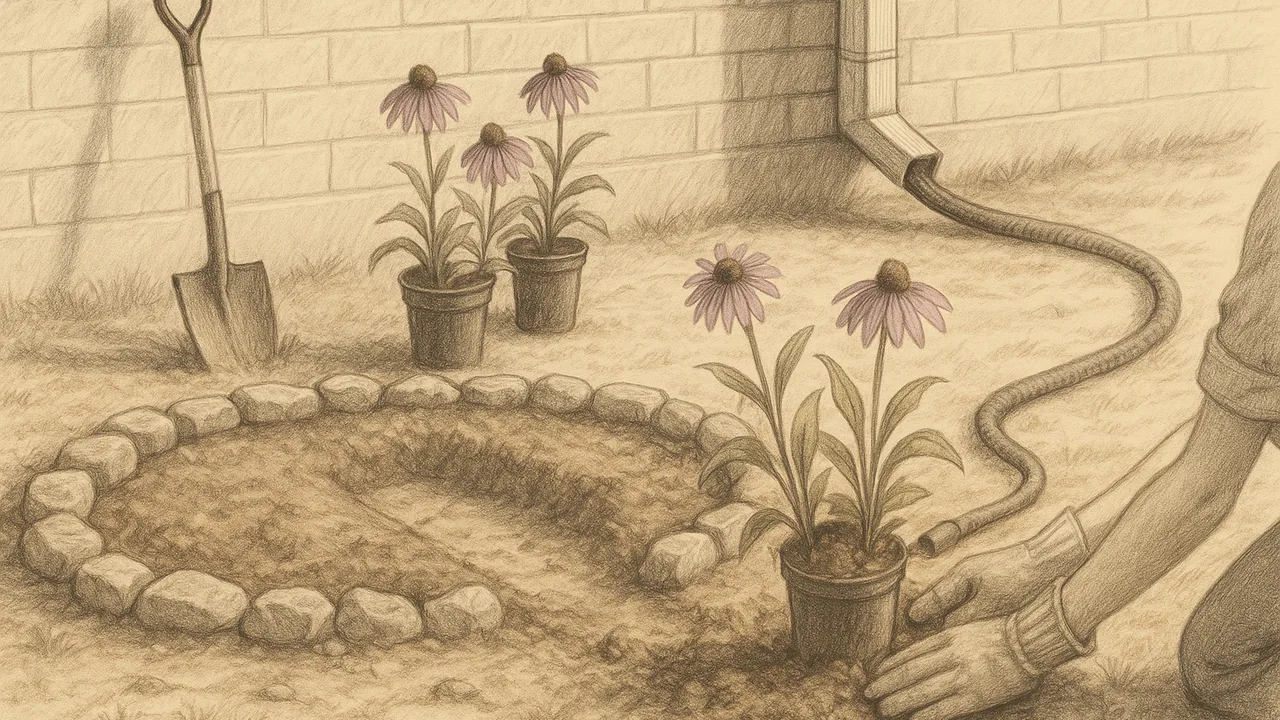
evaluate competing designs that protect biodiversity and ecosystem services, and choose an add-on for our monitor using evidence.
- I can identify and describe different design solutions that aim to protect biodiversity and ecosystem services.
- I can explain the problem these design solutions are trying to solve and why biodiversity and ecosystem services are important for a healthy ecosystem.
- I can describe the evidence that shows how well each design solution works.
- I can work with others to define and describe the criteria and constraints we will use to evaluate different design solutions.
- I can use scientific evidence to compare how well each design solution maintains ecosystem stability and biodiversity.
- I can explain the strengths and weaknesses of each design solution based on different criteria and constraints, such as scientific, social, and economic factors.
- I can assess possible side effects that each design solution might have on other parts of the ecosystem, including how a small change in one part could lead to big changes elsewhere.
Phase 4: Build
Warm-Up ~5 min
Do Now. Remember our phenomenon: a local wetland that once had many kinds of frogs now has only a few. Write two things that flow from our school grounds toward that wetland.
Rain falls on a mowed lawn and on a bed of deep-rooted native plants. Which soaks up more water?
Instruction ~10 min
The missing criterion. None of our trial designs supported local biodiversity. Today we design an add-on that does, and that also helps with runoff. Remember from grade 6: an ecosystem with many kinds of living things is usually more stable when conditions change.
Ecosystem services are benefits that healthy ecosystems give people for free. Plants and soil filter water (water purification), roots hold soil in place (erosion control), decomposers return nutrients to soil (nutrient recycling), and insects pollinate crops and flowers.
Three competing add-ons (sample site plan).
- Rain garden: a shallow, planted dip near a downspout. It catches roof runoff and lets it soak in, usually within a day or two.
- Native plant strip: a band of native grasses and wildflowers along the fence, left unmowed.
- Mowed lawn (no change): our comparison.
| Sample data (one season, small test plots) | Plant species | Pollinator visits in 10 min | Runoff soaked in | Cost | Weekly upkeep |
|---|---|---|---|---|---|
| Rain garden | 12 | 9 | Most roof runoff from one downspout | $90 | 5 min |
| Native plant strip | 15 | 14 | Some | $80 | 2 min |
| Mowed lawn | 3 | 1 | Little | $0 | Mowing by staff |
Worked example 1: comparing with evidence. Carlos says: “The native strip had the most plant species (15) and pollinator visits (14), so it supports biodiversity best. The rain garden is close behind (12 and 9) but captures far more runoff, which protects the creek and wetland.”
Worked example 2: side effects. Yuki checks for ripple effects. “If we plant a fast-spreading non-native plant, it could escape into the wetland and crowd out native plants. A rain garden that stays soggy for days could breed mosquitoes, so it must drain well.” A small change in one place can cause bigger changes elsewhere.
Criteria for the add-on (set together). Supports more species than lawn; improves at least one ecosystem service; keeps the whole monitor under the $150 sample budget and our 10-minute weekly routine; no invasive species.
Guided Exercises ~15 min
Use the sample data table. Discuss each block with your team.
Independent Practice ~10 min
Write a recommendation for the watershed group.
Recommend one add-on (or a combination). Use at least two numbers from the sample data, name the ecosystem services it supports, and explain one possible side effect and how you would prevent it.
Explain why biodiversity near the school could matter for the frogs in the wetland downstream.
Closure ~5 min
Your monitor now has a living part. Next class, other teams will critique your full design.
Exit ticket: name one ecosystem service your add-on provides and the evidence that it works.
How confident are you that you can I can compare design solutions that protect biodiversity and ecosystem services.
Teacher notes
Materials: site map of the school grounds with downspouts marked, photos of rain gardens and native plant strips, a list of plants native to your region from a local extension office or native plant society, gloves.
Setup: the plot data are sample data. If you have time, run a real 10-minute pollinator count on a sunny day. Get permission from facilities before marking any planting site. Students wash hands after handling soil or plants.
Listen for: “any green plant is good”; “rain gardens are ponds” (they drain within a day or two); forgetting the time criterion. The two time blocks are meant to surface that 8 + 2 is not under 10.
Support / stretch: give a strengths/weaknesses T-chart. Stretch: estimate roof area for one downspout and size a rain garden in proportion.