4.16 Best of Each: Combining Features Into One Grow Lab
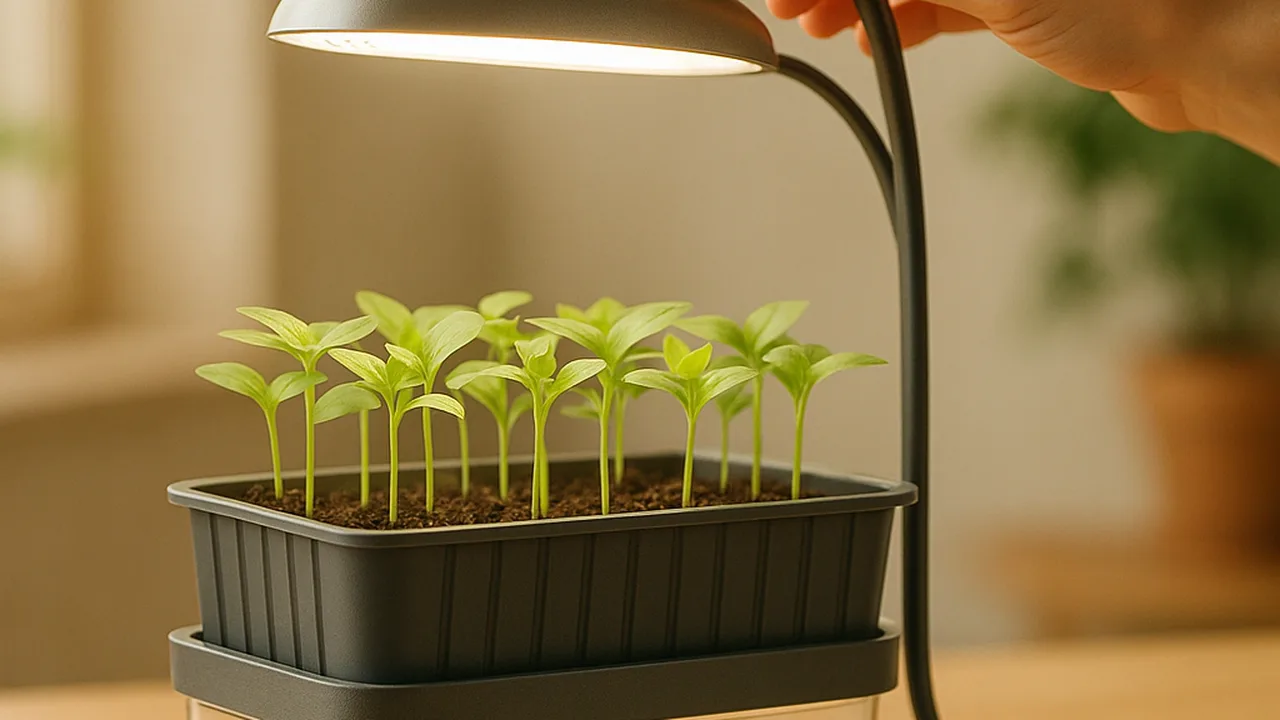
use data to pick the best features of three grow-lab designs and combine them into one better design.
- I can use data to explain similarities and differences between the features of different design solutions.
- I can make a claim about which characteristics of each design best meet the criteria and constraints, using evidence from the data.
- I can use data to identify the best features from each design that could be combined to create a better solution.
Phase 4: Build
Warm-Up ~5 min
Do Now. A bike has the brakes of one model, the seat of another and the frame of a third. Why might engineers mix parts from different designs?
What does it mean to optimize a design?
Instruction ~10 min
Grow-lab engineers, a hybrid design combines the best features of several designs. The trick is to know WHICH feature made each design strong. A feature is one part with one job, like the wick, the net cup or the reservoir.
Step 1: link each strength to a feature. Hydroponics grew fastest. Its feature is roots in steady nutrient water. The wick system used the least water. Its feature is a covered reservoir, so less water evaporates. The soil tray was cheapest per plant. Its feature is a wide tray that holds many plants.
| Design (sample data) | Best result | Feature that caused it | Weakness |
|---|---|---|---|
| Soil tray | Holds 24 plants | Wide shallow tray | Most water, slowest growth |
| Bottle hydroponics | Tallest, 12 cm | Roots in nutrient water | Holds only 1 plant per bottle |
| Wick system | Least water, 200 mL | Covered reservoir and wick | Medium growth |
Worked example 1: a hybrid claim. Ana’s team wrote: “We claim a wide tray sitting on a covered reservoir, with felt wicks and nutrient water, will meet all four criteria. The wide tray holds many plants like the soil tray. The covered reservoir cut water use to 200 mL in the wick test. Nutrient water gave the fastest growth in the hydroponic test.” Each feature is backed by a number.
Worked example 2: checking the constraints. The hybrid costs: tray $6, plastic tub reservoir $8, felt wicks $3, grow light $15, nutrients $5. Total: $37. That is under $40, but only by $3. Ana noted the trade-off: “If the light costs more, we must cut something else.” A strong claim names its risk.
Guided Exercises ~15 min
Use the feature table. Discuss each block with your team.
Independent Practice ~10 min
Design your team’s hybrid grow lab.
Sketch your hybrid grow lab. Label each feature and write which original design it came from.
Write a claim: which features best meet the criteria and constraints? Give one number from the data for each feature, and list your total cost.
Closure ~5 min
You have a hybrid on paper. Next class we build a model of how it works, from light and water to leaves.
Exit ticket: which feature in your hybrid are you least sure about? What test would tell you if it works?
How confident are you that you can I can use data to combine the best features of different designs.
Teacher notes
Materials: the class price list, sketch paper, sample parts (felt strips, net cups, a tub with a lid, a tray).
Setup: keep the 4.15 data posted. Prices here are sample prices; use your own price list. Check that each team’s hybrid stays under $40 before they leave.
Listen for: features chosen without a data reason; teams that list every feature from every design (that is a collection, not a design).
Support / stretch: give a three-column feature organizer. Stretch: design a second hybrid that costs under $30 and predict how its growth will compare.