2.28 Catch-up and Stretch: Selection Over Generations and Gene Technologies
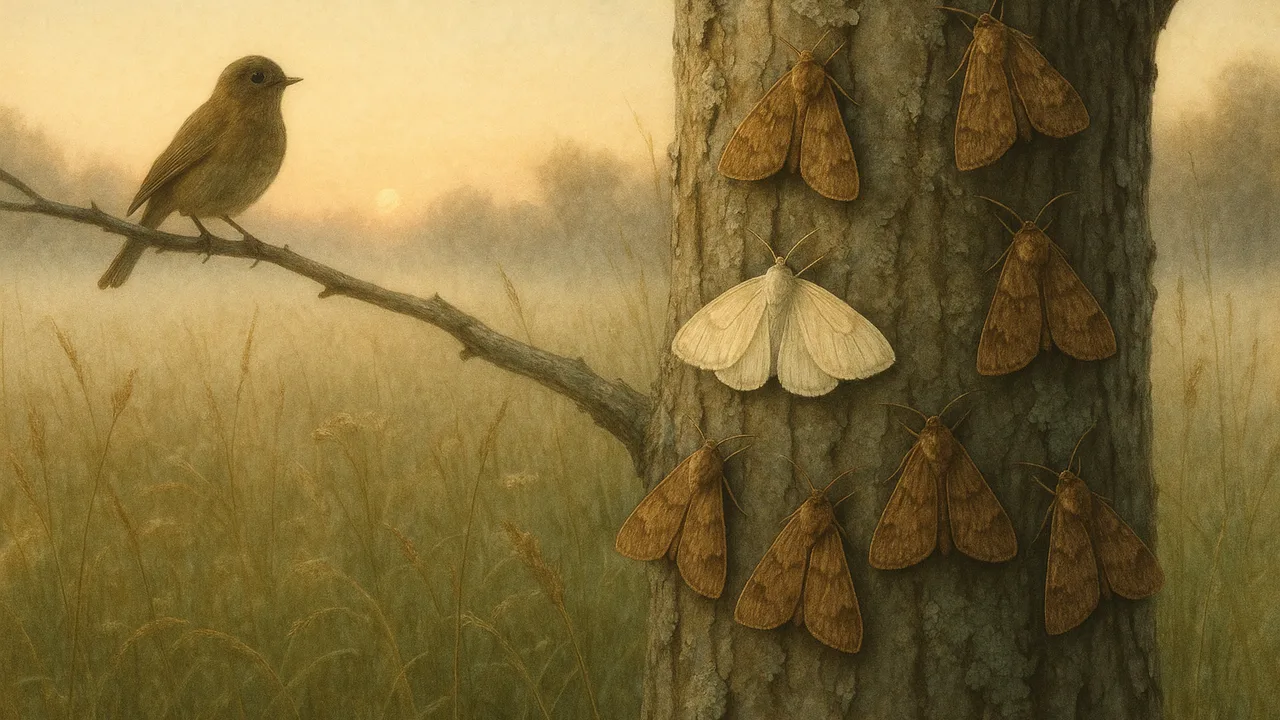
practice explaining how traits change in populations with data and proportions, and weigh gene technologies with credible evidence.
- I can explain that populations have a variety of inheritable genetic traits, and that these variations come from genetic differences.
- I can describe how some traits give organisms advantages in certain environments, making it more likely they will survive and reproduce.
- I can use reasoning to show how natural selection causes the proportion of advantageous traits to increase and disadvantageous traits to decrease in a population over generations.
- I can use graphs, charts, or other data to find patterns and trends in how traits are distributed in a population over time.
- I can identify cause-and-effect relationships between changes in the environment and changes in traits in a population.
- I can explain that increases or decreases in certain traits can have more than one environmental cause.
- I can describe how understanding cause-and-effect relationships in traits has led to new technologies that help humans influence which traits are inherited.
Phase 5: Prove It
Warm-Up ~5 min
Do Now. In one sentence, explain the difference between natural selection and artificial selection.
How confident are you that you can I can use data to explain how a trait becomes more common over generations.
Instruction ~10 min
Breeders, today you watch selection happen. Everyone starts with the simulation, then moves to a Catch-up or Stretch station.
Re-teach: selection in four steps. 1. Variation: individuals differ in inherited traits. 2. Environment: a condition such as drought or predators favors some traits. 3. Survival and reproduction: individuals with favored traits leave more offspring. 4. Change over time: the favored trait’s proportion rises across generations.
Worked example 1: proportions, not just counts. Sample data: generation 1 has 20 brown and 80 white rabbits (20% brown). Generation 4 has 45 brown and 15 white. Ana says: “The population shrank, but brown went from 20% to 45 ÷ 60 = 75%. The proportion is what shows selection.”
Worked example 2: from understanding to technology. Tomas explains: “Once people understood that genes cause traits, they could do more than choose parents. Genetic modification changes a crop’s gene directly, and gene therapy adds or changes genes in a patient’s cells. Both came from the same cause-and-effect idea.”
Choice board. Catch-up A: use the simulation to fill a generation-by-generation proportions table. Catch-up B: redo one spreadsheet generation by hand with a partner. Stretch A: change two environmental factors at once and explain why more than one cause can change a trait. Stretch B: compare two credible sources on a gene technology and write a balanced summary.
Guided Exercises ~15 min
Start with the simulation, then answer.
Independent Practice ~10 min
Complete your station.
Catch-up: use your simulation table to write a CER. Claim: how did fur color change? Evidence: proportions from at least three generations. Reasoning: variation, survival, reproduction and inheritance.
Stretch: explain how understanding cause and effect in genes led to one modern technology, and give one benefit and one trade-off from a credible source.
Closure ~5 min
That completes Unit 2, breeders. Next: your 3DX field trip to Farm Field Day.
Exit ticket: back to our phenomenon. Explain why the farmer's field now survives droughts that used to wipe it out, using the words variation, selection and proportion.
How confident are you that you can I can use data and proportions to explain natural selection.
Teacher notes
Materials: devices for the PhET Natural Selection sim (HTML5), proportions tables, the class source packet from 2.16, calculators.
Setup: preview the sim; screen names and controls can change between versions, so adjust the task wording if needed. Group by checkpoint items on MS-LS4-4, MS-LS4-5 and MS-LS4-6. No Hardy–Weinberg; keep to proportions.
Listen for: “the bunnies changed color to hide”; reading counts instead of proportions.
Support / stretch: give a pre-labeled proportions table. Stretch: run the sim with two factors and compare with a single factor.