1.11 Why Here? Modeling How Resources Formed
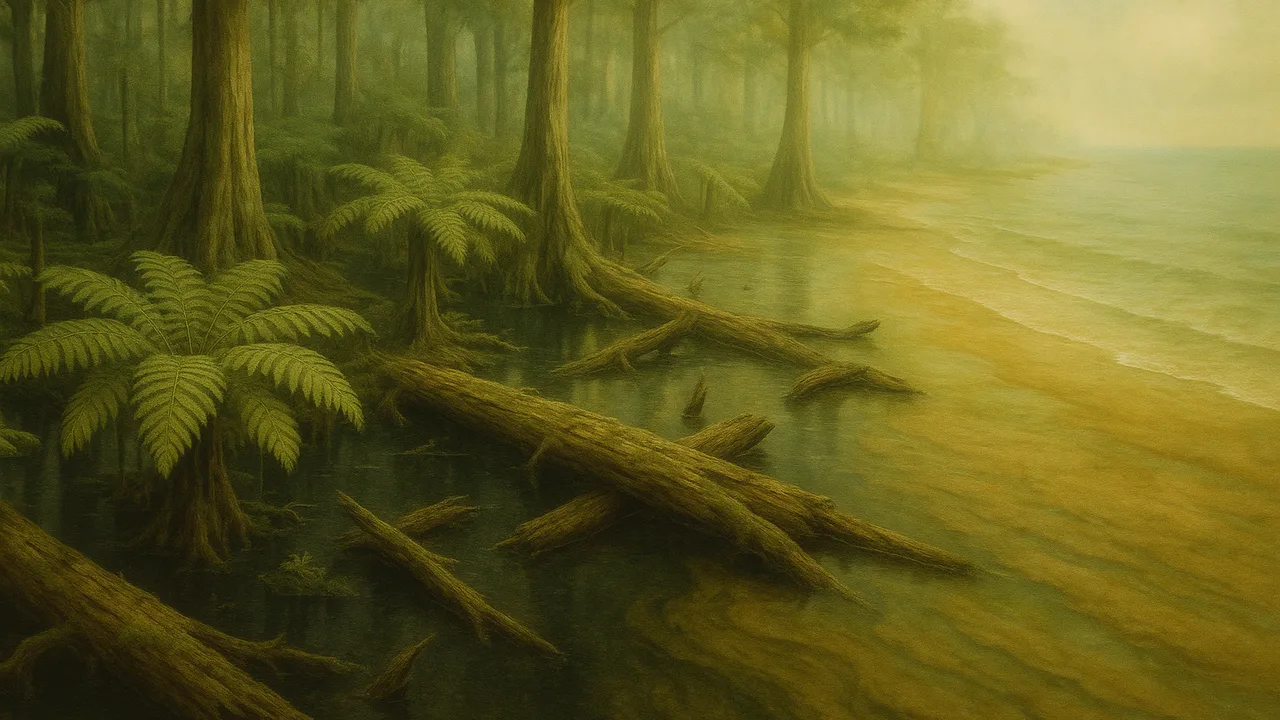
build a model and a CER that explain the uneven distribution of the valley’s coal, gas, metal and groundwater from past geologic processes.
- I can use evidence and reasoning to construct a scientific explanation for how Earth’s resources are unevenly distributed.
- I can use reasoning to connect evidence and explain how Earth’s resources are formed by geologic processes.
- I can describe why resources are found only in certain places or times, based on the specific environments or conditions that formed them.
- I can explain how resources are depleted as they are used and how they can be replenished, mainly through geologic processes.
Phase 3: Make Sense
Warm-Up ~5 min
Do Now. The planning board asks: “A company wants to drill for gas under our hills. Another wants to dig gravel near the river. Why would each look in a different place?” Jot your first answer.
If the valley's coal is mined out, how long until new coal forms there?
Instruction ~10 min
Reading: resources as clues to the past. Every resource is a fingerprint of a past environment. The valley’s coal points to swamp forests. Gas trapped in deep shale points to an ancient sea floor rich in tiny organisms. A metal-bearing quartz vein in the far hills points to hot fluids moving through cracks long ago. The town’s sand-and-gravel aquifer points to a river dropping sediment on its floodplain. Because each set of conditions happened only in some places and times, resources end up patchy. Later events also matter: erosion can strip a layer away, and folding can bring a deep layer close to the surface. People change the pattern too. Once a mine or well removes a resource, it is not there anymore, except groundwater, which rain can slowly refill.
Model first. Draw a cross-section of the valley: river, floodplain, hills and layers. Label where each resource sits and add an arrow from a box describing the past process that put it there.
| Resource | Where in our cross-section | Past process | How long to form | How human use changes it |
|---|---|---|---|---|
| Coal | ||||
| Natural gas | ||||
| Metal ore | ||||
| Groundwater |
Worked example 1: a cause-and-effect chain. Diego wrote: “Swamp forest grew → plants fell into water that slowed rotting → sediment buried them → heat and pressure over millions of years → coal layer. Later, erosion removed it from the far hills, so only our road cut has it.” Each arrow is a process, which makes the reasoning visible.
Worked example 2: a CER on groundwater. Claim: the town’s best water lies under the floodplain. Evidence: the station 4 jar of sand and gravel held and passed water quickly, and the town’s wells near the river are productive (sample report). Reasoning: river-dropped sand and gravel have large connected spaces, so they form a good aquifer, refilled by rain soaking in.
Guided Exercises ~15 min
Use your cross-section. Explain each answer with a process.
Independent Practice ~10 min
Explain it to the board.
Write a CER: Why are the valley's resources found where they are? Explain at least two resources, use two sources of evidence, and name the past process for each.
Explain how mining or heavy pumping would change how much of a resource is left and where. Which resource could recover, and how?
Closure ~5 min
Past processes explain our resources. Next time, we turn our hazard data into a forecast for the board.
Exit ticket: finish the sentence: “You can't find coal just anywhere because …”
Teacher notes
Materials: blank cross-section templates, station notes from 1.05, CER organizers.
Listen for: “resources are where people put them” and “we can make more coal.” The valley’s resources are generic examples; well productivity is a sample report.
Support / stretch: give cause-and-effect arrow strips to arrange. Stretch: add one way folding brought a deep layer near the surface.