1.16 Fence, Posts or Basin? Competing Barrier Concepts
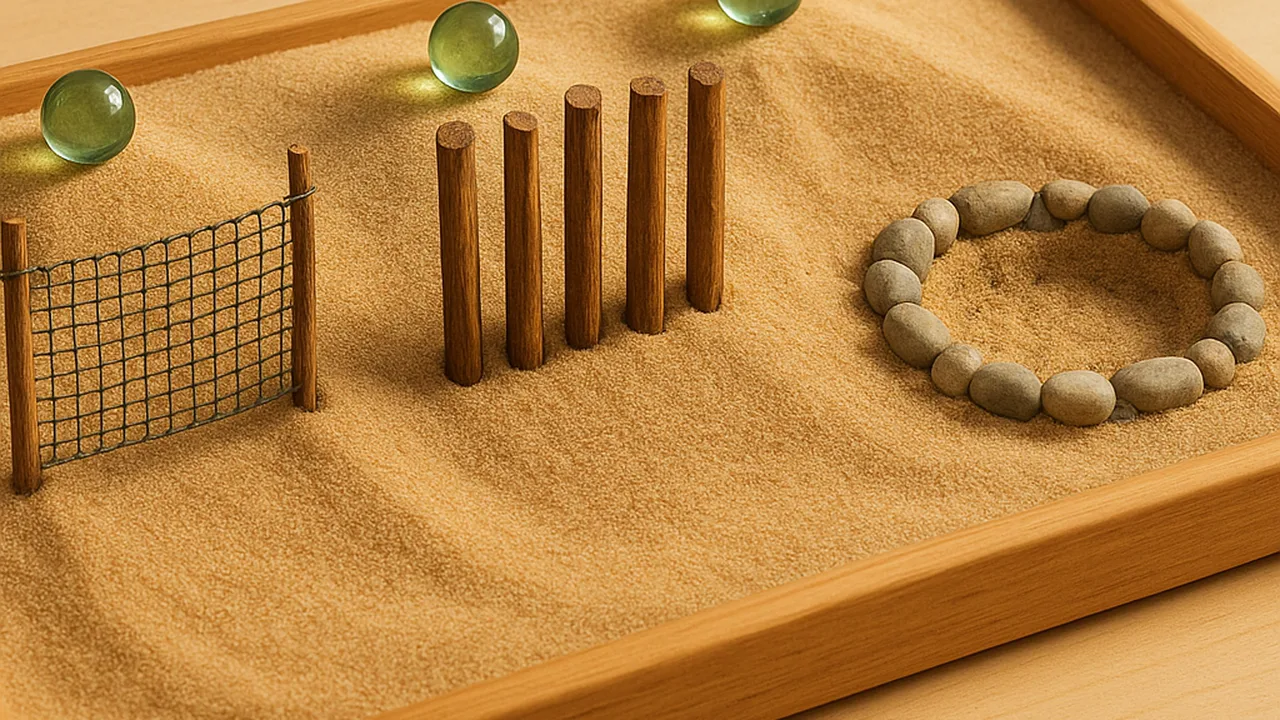
sketch three competing debris-barrier concepts and explain how each could meet the planning board’s criteria and constraints.
- I can identify scientific ideas that relate to the problem and each possible solution.
- I can explain how each design solution could solve the problem.
- I can define the constraints for a solution, including time, materials, costs, and scientific or other important issues.
- I can explain how the needs and wants of people involved, safety, and effects on others limit possible solutions.
- I can analyze how solutions or not solving the problem could negatively affect the environment.
Phase 4: Build
Warm-Up ~5 min
Do Now. A debris flow carries water, mud, rocks and logs. A solid concrete wall would stop the rocks. Write one reason a solid wall could still be a bad idea for the east gully.
A solid wall blocks a channel that carries water and rocks. What happens in a long storm?
Instruction ~10 min
Engineers, restate the problem first. People who live and drive below the east gully need protection from boulders that race down after heavy rain. The system includes the steep channel, the loose rock and soil, the rainwater and the homes and road on the fan. Outside the system are the weather and the river.
Our class criteria, from 1.09. A barrier must (1) stop at least 9 of 10 marble “boulders” released from the top of a 1 m ramp, (2) let water drain through, (3) cost no more than 10 sample “budget points,” and (4) fit a 30 cm wide channel.
Constraints. Use only the price-list materials, stay within 10 sample budget points, build in two class periods, and keep the channel safe for the creek animals that use it. The board also cares about how each design looks and who must clean it out after a storm.
| Material (sample price list) | Budget points |
|---|---|
| 5 craft sticks | 1 |
| 1 mesh square | 2 |
| 1 m of string | 1 |
| A bundle of pipe cleaners | 1 |
| A cardboard sheet | 1 |
Sample price list from 1.09. Tape for fixing a barrier to the channel is a free class supply.
Three competing concepts. Real hazard engineers use all three ideas in some form.
Worked example 1: the mesh fence. Mei’s team ties 2 mesh squares (4 points) with 1 m of string (1 point) to posts made from 10 craft sticks (2 points), across the channel: 7 points in all. Science idea: the mesh holes are smaller than the marbles, so rocks are caught while water flows through. Worry: a fast, heavy marble carries a lot of energy and may tear the screen or knock over a post.
Worked example 2: staggered posts and a basin. Diego’s team pushes 15 craft-stick posts (3 points) through a cardboard base (1 point) in offset rows, braced with pipe cleaners (1 point): 5 points, so each marble hits a post and slows down. Priya’s team folds 2 cardboard sheets into a catch basin at the bottom of the ramp (2 points) with a mesh-square drain in its low edge (2 points): 4 points. Science ideas: posts take energy out of each boulder bit by bit; a basin gives boulders room to stop while water spills over a low edge. Worries: marbles may slip between posts, and a full basin stops working until someone empties it.
| Concept | Sketch labels | Budget points | How it stops boulders | How water drains | Biggest risk |
|---|---|---|---|---|---|
| Mesh fence | |||||
| Staggered posts | |||||
| Catch basin |
Guided Exercises ~15 min
Work with your team. After each block, add a note to your concept table.
Independent Practice ~10 min
Sketch your own versions.
Sketch all three concepts sized for a 30 cm channel. Label the materials and add up each concept's budget points.
For each concept, explain in two sentences how it stops boulders and how water still drains.
Closure ~5 min
Three ideas, one channel. Next class, you will choose between them with a decision matrix instead of a vote.
Exit ticket: name one effect a barrier could have on the creek or its wildlife, and one way to reduce it.
How confident are you that you can I can explain how each design solution could solve the problem.
Teacher notes
Materials: the 1.09 sample price list, craft sticks, mesh squares, string, pipe cleaners, cardboard sheets, rulers, the class criteria poster from 1.09.
Setup: let teams handle materials before sketching. Give 15 minutes for sketches. If your class set different numbers in 1.09, change them everywhere in this part.
Listen for: “a solid wall is best” (it fails the drainage criterion); three sketches that are really the same design.
Support / stretch: give a concept template with label lines and a budget box. Stretch: design a hybrid of two concepts that stays at 10 points.