2.23 Version 2 and the People Who Run the Line
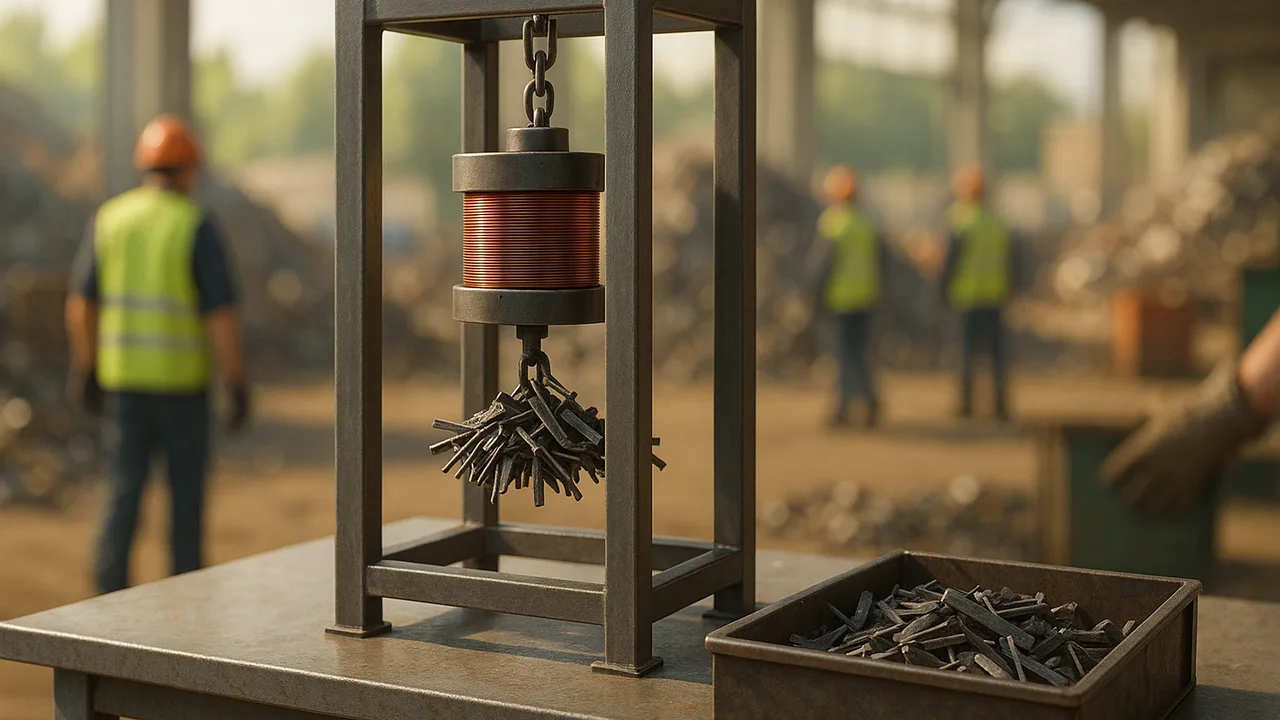
build and retest Version 2 using model data, critique and the criteria, and connect our work to real engineering careers.
- I can describe how the data from my model, along with the criteria and constraints, can help me improve my design through testing and making changes.
- I can use data to identify the best features from each design that could be combined to create a better solution.
- I can analyze data using methods like comparing numbers or looking for patterns.
- I can identify how each design solution meets the criteria and fits the constraints by examining the data.
Phase 4: Build
Warm-Up ~5 min
Do Now. Reread your critique notes and what-if data. Circle the ONE change that you think will help Version 2 most.
What should guide the changes in Version 2?
Instruction ~10 min
Sorting engineers, Version 2 is where the data pays off. Make the changes your model and critique pointed to, then run three timed trials, just like in 2.16. Compare Version 2 with Version 1 on every criterion.
Worked example 1: from data to change. Jamal’s team’s model showed the fast belt dropped them to 7 caps. Lowering the arm fixed it. Critique suggested a flat core end to avoid foil. Version 2 used both. Retest (sample data): 10, 9 and 10 caps, mean about 9.7; 0 wrong items; all caps released. Every criterion met.
Worked example 2: when Version 2 is not perfect. Priya’s team switched to two cells for speed. Rate went up to a mean of 10, but two caps stuck after switch-off in one trial. Their plan: go back to one cell and add 20 more turns, since their model showed turns helped without the sticking. Iterating means using each test to aim the next one.
| Criterion | Version 1 result | Version 2 result | Met? | Change that made the difference |
|---|---|---|---|---|
| 9 of 10 steel in 60 s | ||||
| No aluminum or plastic | ||||
| Releases when off | ||||
| Safe low voltage |
Guided Exercises ~15 min
Build, retest, then read the career spotlight.
Independent Practice ~10 min
Write your improvement story.
Describe how your model's what-if data and the criteria guided your Version 2 changes. Name one change you made and one you decided NOT to make, and why.
Fill in the Version 1 versus Version 2 table. Which features from which earlier designs ended up in Version 2?
Closure ~5 min
Build phase complete, sorting engineers. Next comes Prove It: the official sorting trial. Your Build field trip, The Sorting Line Workshop, comes after this lesson.
Exit ticket: which career interests you more, and which skill from this unit would you bring to it?
How confident are you that you can I can use model data and test results to improve a design.
Teacher notes
Materials: extra wire, cores, cells, the model belts, trays with the standard mixed batch, timers.
Setup: 20 minutes to build, 15 to retest, 10 for the career and writing. Hold the line on the constraint: no more than two 1.5 V cells. If time allows, invite a family member who works in maintenance, electrical work or waste services to talk for 5 minutes.
Listen for: claims that Version 2 is better with no data; changes made only because another team did them.
Support / stretch: give the comparison table partly filled. Stretch: estimate how many steel cans per hour Version 2 would sort if it kept its 60-second rate, and name one reason the real number could be lower.