1.28 Catch-up and Stretch: Thermal Energy and Better Designs
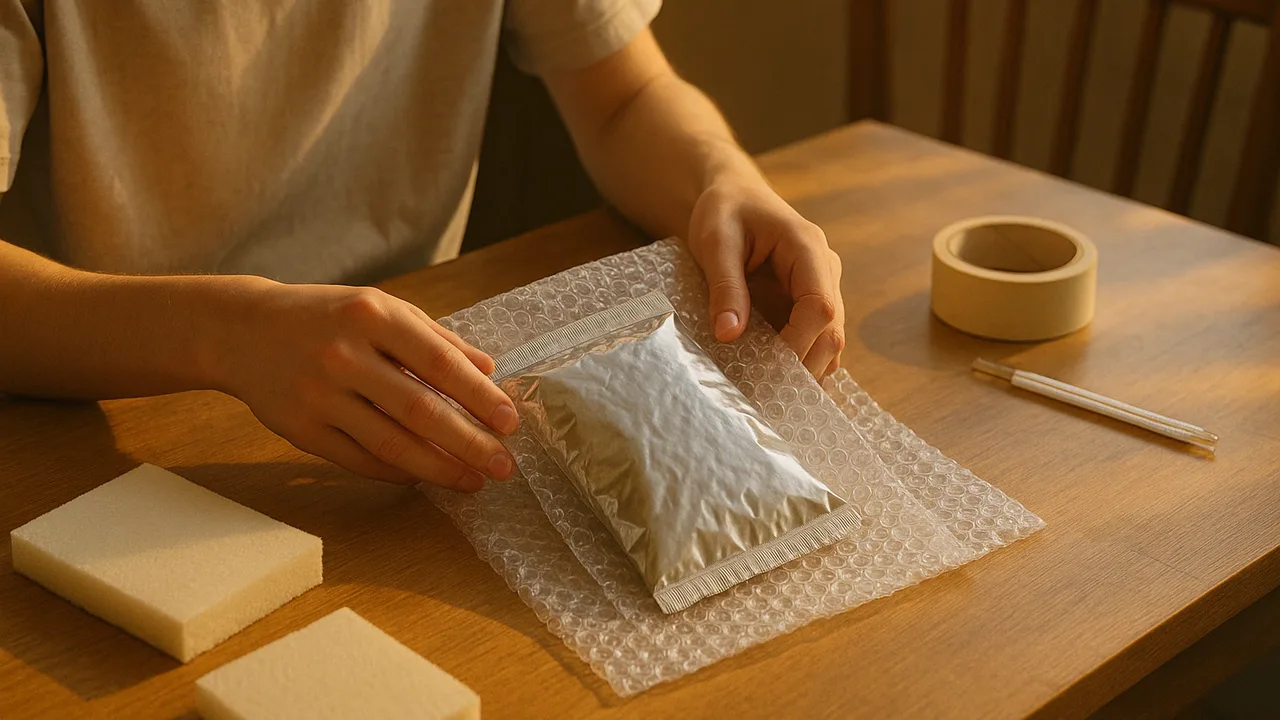
practice the thermal energy and design ideas I found hardest, and stretch my thinking by improving a design on paper.
- I can explain that the purpose of my investigation is to find out how thermal energy transfer relates to the type of matter, the mass of the matter, and the change in temperature (average kinetic energy) of the sample.
- I can use what I know about thermal energy transfer and my test results to evaluate how well my device meets the criteria and constraints.
- I can use a systematic method, like a decision matrix, to find the strengths and weaknesses of each solution.
- I can evaluate each solution using the criteria and constraints we defined.
- I can compare the solutions based on how well they meet the criteria and constraints.
Phase 5: Prove It
Warm-Up ~5 min
Do Now. A metal spoon and a wooden spoon sit in the same pot of hot soup. Which handle gets hot first, and why?
Why does the metal handle get hot first?
Instruction ~10 min
Engineers, this is the last day of Unit 1. Your teacher points you to a Catch-up or Stretch station on the choice board.
Re-teach: energy, mass and matter. Thermal energy moves from warmer to cooler matter. The same amount of energy changes a large mass less than a small mass. Different materials change temperature by different amounts with the same energy. Insulators slow the transfer.
Worked example 1: the simulation. In the sim, heat a block of iron and a beaker of water with the same burner setting for the same time. The iron’s temperature climbs faster. Same energy, different matter, different temperature change.
Worked example 2: a better design on paper. Priya’s team re-scored its matrix with a new row, “Reusable or low waste (×2).” A design with a refillable outer sleeve moved from second to first. Changing the constraints can change the best design.
Choice board. Catch-up A: rank five sleeve materials from best to worst insulator and explain. Catch-up B: redo a decision matrix with a partner, checking every multiplication. Stretch A: redesign the warmer for a 250 g meal and predict its results. Stretch B: plan a test comparing water and applesauce as the meal.
| Material | Conductor or insulator? | Why | Use in our warmer? |
|---|---|---|---|
| Foam | |||
| Felt | |||
| Aluminum foil | |||
| Bubble wrap | |||
| Copper sheet |
Guided Exercises ~15 min
Use the simulation, then try these.
Independent Practice ~10 min
Show your growth.
Complete the materials table. Then use test data from your warmer to explain how your sleeve minimized thermal energy transfer to the air.
Re-score your team's decision matrix with a new “Reusable or low waste” row. Does the best design change? Make a claim with evidence.
Closure ~5 min
Unit 1 complete, engineers! Your Prove It field trip, Trail Test Day, comes after this lesson. Next unit: forces that act at a distance, and a sorting line for a recycling center.
Exit ticket: what is one thing you would tell next year's 7th graders before they design their warmers?
How confident are you that you can I can explain how mass, materials and insulation affect temperature change, and use constraints to choose a better design.
Teacher notes
Materials: devices for the PhET sim, samples of foam, felt, foil, bubble wrap and a copper or aluminum sheet, matrices from 1.16, station signs.
Setup: group students using 1.26 results. Ten minutes of sim and re-teach, then 25 minutes at stations.
Listen for: “bigger things get less heat”; “foil is an insulator because it is shiny” (foil reflects some radiant energy but conducts well).
Support / stretch: give a ranking card set. Stretch: explain why the sim’s water warms more slowly than the iron with the same heating.