1.12 Choosing the Heat Source: Amount, Time and Temperature
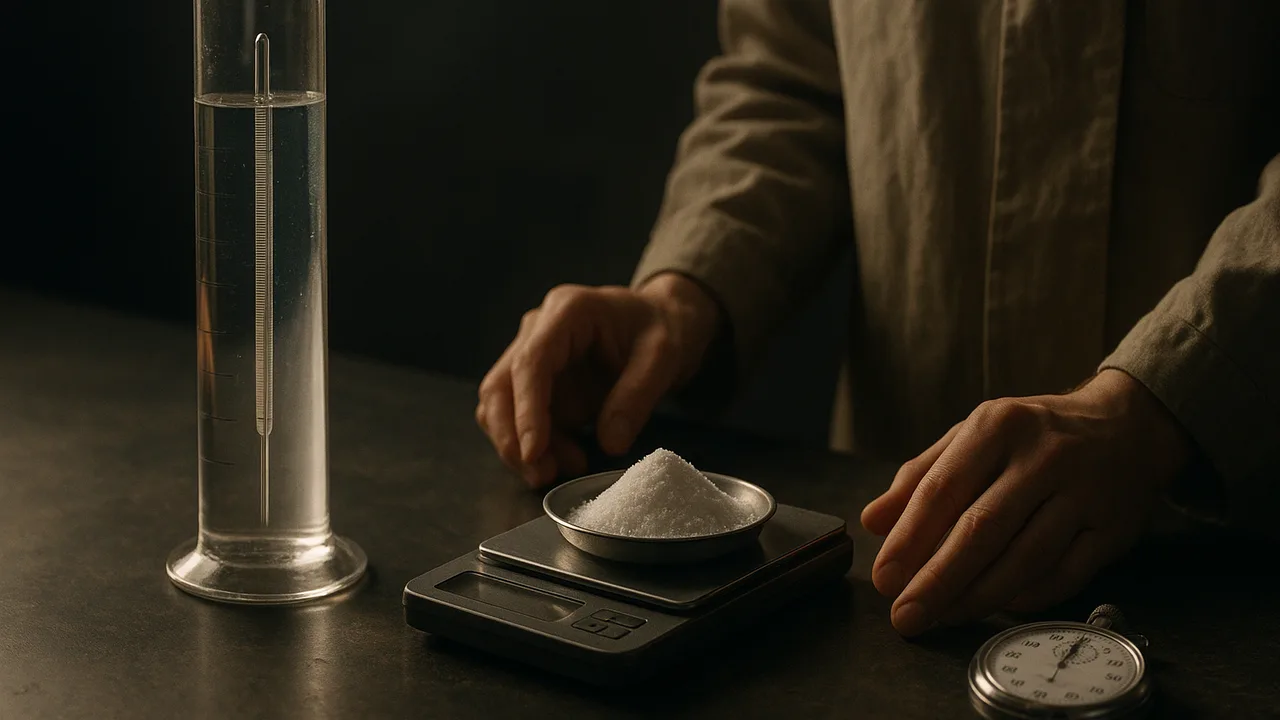
use amount, time and temperature data to choose a process for the warmer and explain how it will release thermal energy to the food.
- I can identify the parts of my device and the system that will transfer energy to solve a heating or cooling problem.
- I can choose and explain which chemical reaction and substances my device will use to release or absorb thermal energy.
- I can describe how I will track the transfer of thermal energy between my device and other parts of the system to solve the problem.
- I can describe the features of the problem my device needs to solve.
- I can explain how my device will absorb or release thermal energy using a chemical reaction.
- I can describe the limits for my device, such as how much material I can use, how much it costs, how safe it is, and how long it needs to work.
Phase 3: Make Sense
Warm-Up ~5 min
Do Now. An iron hand warmer stays warm for hours. Calcium chloride heats water within a minute or two. Which would you rather use to warm a meal on a cold trail? Write one reason.
You double the calcium chloride in the same amount of water. What happens to the temperature rise?
Instruction ~10 min
Reading: choosing a process. Engineers pick a heat source by comparing data, not by guessing. For our warmer, three questions matter. How much substance does it need? How quickly does it heat? How hot does it get, and for how long? Those are the criteria of amount, time and temperature.
| Calcium chloride in 50 mL water (g) | Sample temperature rise (°C) | Time to highest temperature (s) | Meets our 15°C target? |
|---|---|---|---|
| 5 | 10 | 60 | |
| 10 | 19 | 75 | |
| 15 | 27 | 90 | |
| 20 | 34 | 90 |
Worked example 1: reading the table. These are sample data. From 5 g to 10 g, the rise nearly doubles, from 10°C to 19°C. The pattern suggests more substance releases more energy into the water. Note that this rise is for the 50 mL of activating water only; the food will warm less, because energy spreads into a larger mass and leaks into the air.
Worked example 2: matching the process to the need. Priya compared three options. Calcium chloride heats fast but briefly. An iron-powder warmer heats slowly for hours, too slow for a quick meal. Baking soda with citric acid absorbs energy, so it would cool the food. Priya chose calcium chloride for heating and an insulating sleeve to hold the energy in.
What real meal heaters use. Many commercial flameless meal heaters contain magnesium mixed with iron and salt. Adding water starts a reaction that releases a lot of thermal energy and also gives off hydrogen gas, which is flammable. That is one reason their packages carry safety warnings. We describe these heaters only; we never make or open them in class.
Guided Exercises ~15 min
Use the sample data table and the 1.07 results. Discuss each card first.
Independent Practice ~10 min
Make and defend your choice.
Choose a heat source for the warmer. Explain how it releases thermal energy, how much you would use and why, using the sample data.
Name two limits on your choice, such as safety, cost or the 20 g constraint, and explain how each shapes the design.
Closure ~5 min
We have a heat source and a reason for it. Next time, we read pilot test data and decide what works best.
Exit ticket: explain, step by step, how your heat source gets thermal energy into the meal. Name each part of the system it passes through.
Teacher notes
Materials: the sample data table, 1.07 class data, an unopened hand warmer package to pass around (do not open).
Setup: replace the sample data with your own class data if you ran a dose test in 1.07. Real values depend on the product’s form and purity.
Listen for: “more is always better.” Bring in constraints: cost, mass and safety. Keep commercial magnesium heaters description only; never demonstrate or have students handle them. Do not quote heating times or temperatures for commercial heaters.
Support / stretch: highlight one row at a time in the table. Stretch: predict the rise for 25 g and say whether you trust the prediction, and why.