2.21 Iterate: Version 2 and Test Round 2
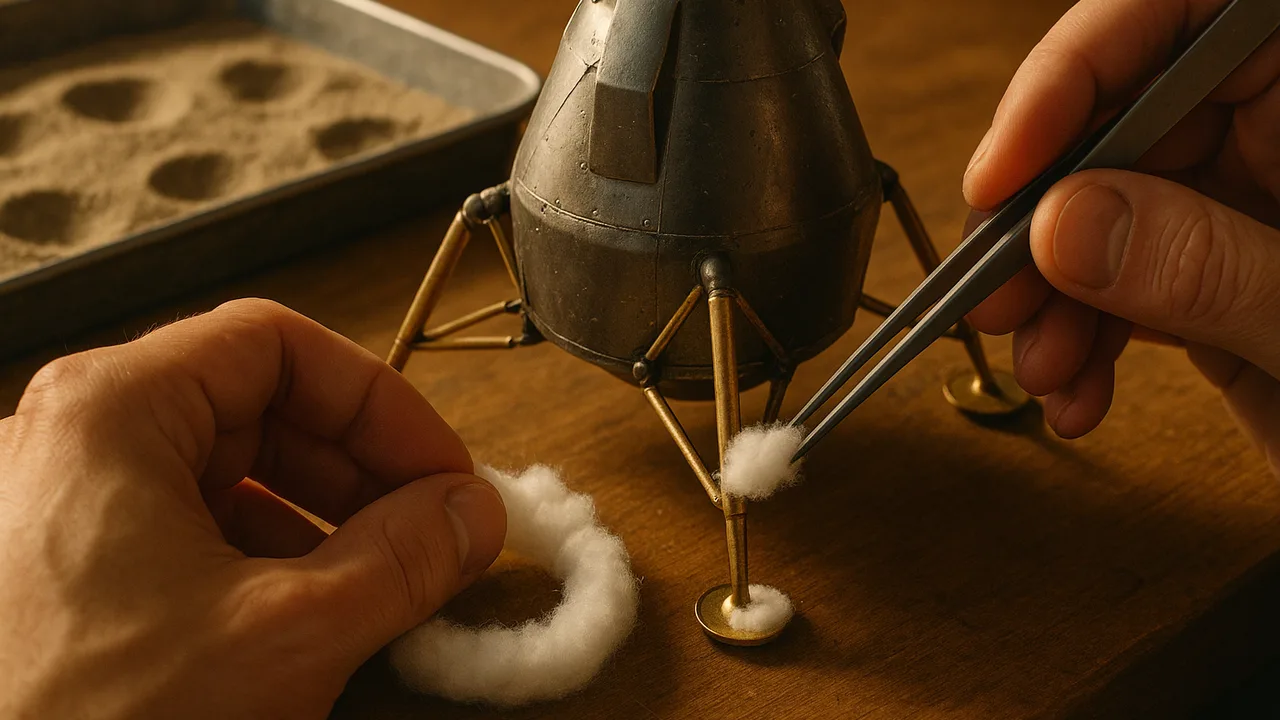
use my lander as a model to generate new data, change one part at a time, and use the results to improve the design.
- I can use my model to generate data that shows how my proposed solution works and how it changes when I modify its parts.
- I can describe how the data from my model, along with the criteria and constraints, can help me improve my design through testing and making changes.
- I can explain how the constraints of the problem and current technology limits affect the technologies I choose for my design.
Phase 4: Build
Warm-Up ~5 min
Do Now. A team changes the legs, the cushion and the base all at once. Their lander now works. Can they tell which change helped?
What is the best way to learn which change helped?
Instruction ~10 min
Mission engineers, real landers are tested again and again. Each test changes one thing, and the team learns from the result. This loop is called iteration: test, analyze, change, then test again.
Your lander is a model that makes data. Use the height ladder: 1.0 m, 1.5 m, then 2.0 m. The highest safe height tells you how much margin your design has. Then change one part and run the ladder again.
Constraints shape your choices. Real engineers face limits in mass, cost, time and what technology can do. We cannot use rocket engines or airbags that inflate, so we choose crushable and springy materials instead.
Worked example 1: Mei’s iteration log (sample numbers).
| Version | One change | Mass (g) | Highest safe height (m) | Upright? |
|---|---|---|---|---|
| V1 | (hybrid) | 112 | 1.5 | yes |
| V2a | taller crumple cup | 118 | 2.0 | no |
| V2b | taller cup + wider legs | 126 | 2.0 | yes |
Mei’s log shows the taller cup raised the safe height. It also made the lander tip, so the next change targeted stability. V2b meets both criteria and stays under 150 g.
Worked example 2: Malik reads a surprise. Malik’s team added a second cotton layer. The payload still cracked at 2.0 m. They noticed the cotton was already squashed flat at impact. So they added a crumple base instead, which crushes over a longer distance. Data, not guessing, pointed to the fix.
Copy this blank log for your team.
| Version | One change | Mass (g) | 1.0 m | 1.5 m | 2.0 m | Upright? |
|---|---|---|---|---|---|---|
| V1 | ||||||
| V2 | ||||||
| V3 |
Guided Exercises ~15 min
Use Mei’s log and your own data.
Independent Practice ~10 min
Reflect on the iteration.
Explain how your data, plus the criteria and constraints, told you what to change next. What will V3 change, and why?
Name one constraint or technology limit that shaped your design. How would your lander be different without it?
Closure ~5 min
Your lander gets stronger with every round. Next, we build the second half of the exhibit: the solar system to scale.
Exit ticket: write one sentence that starts “Our data showed … so we …”
How confident are you that you can I can use test data to improve a design one change at a time.
Teacher notes
Materials: V1 landers, kit bins, tape marks at 1.0, 1.5 and 2.0 m, tarp, zip bags, eggs or water balloons, scale, iteration log.
Setup: run two drop stations if you have a second adult. Budget about 3 drops per team per version. Start the ladder at 1.0 m to save eggs.
Listen for: teams changing several parts at once; teams that stop after one success. Push for margin.
Support / stretch: give a one-change menu (taller cup, wider legs, thicker nest). Stretch: graph highest safe height against mass for all versions and describe the trade-off.