1.28 Catch-up and Stretch: Materials and Better Designs
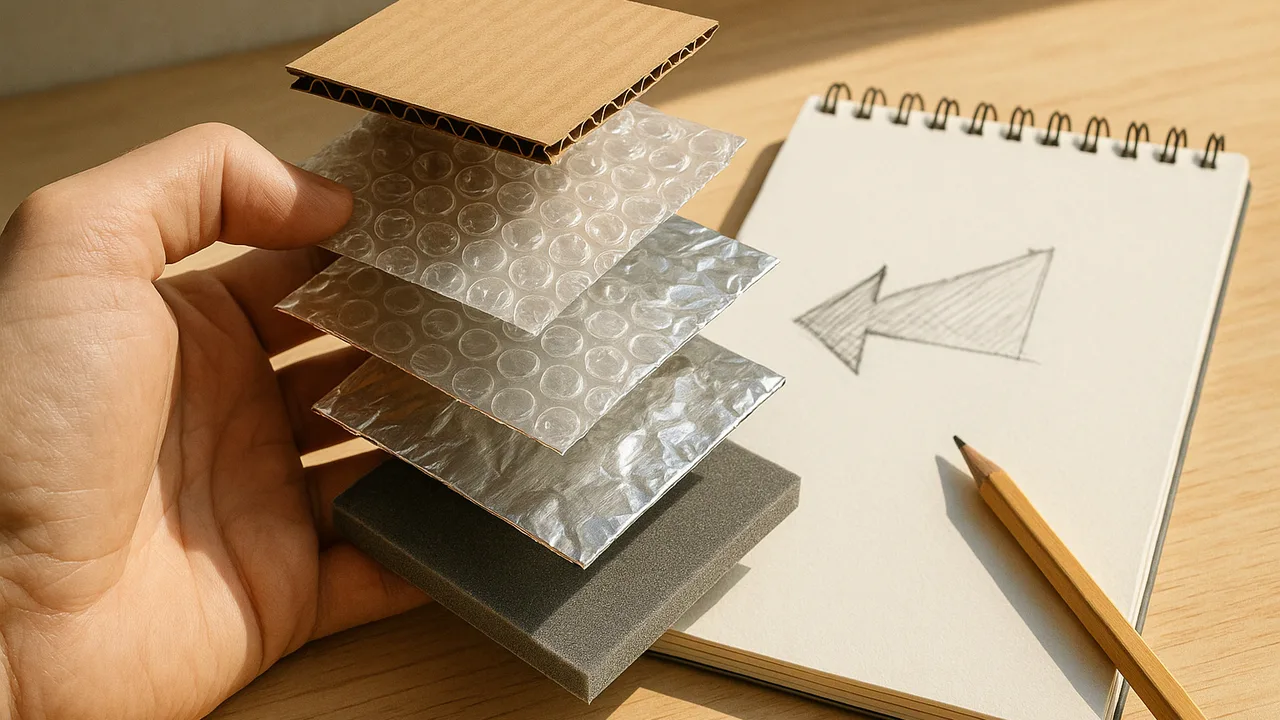
practice the materials and design ideas I found hardest, and stretch my thinking by improving a design on paper.
- I can combine information from different types of sources, like graphs, diagrams, and text, to describe how synthetic materials are made from natural resources using chemical processes.
- I can explain how the properties of a synthetic material are different from the properties of the natural resource it was made from, and how these properties help the synthetic material do its job.
- I can describe how making and using synthetic materials affects natural resources and society, and how their structure and function meet a societal need or desire.
- I can use a systematic method, like a decision matrix, to find the strengths and weaknesses of each solution.
- I can evaluate each solution using the criteria and constraints we defined.
- I can compare the solutions based on how well they meet the criteria and constraints.
- I can define the constraints for a solution, including time, materials, costs, and scientific or other important issues.
- I can explain how the needs and wants of people involved, safety, and effects on others limit possible solutions.
- I can analyze how solutions or not solving the problem could negatively affect the environment.
Phase 5: Prove It
Warm-Up ~5 min
Do Now. Name two materials in your classroom. Is each natural or synthetic? How do you know?
Which material is synthetic?
Instruction ~10 min
Design engineers, this is the last day of Unit 1. Your teacher will point you to a Catch-up or Stretch station on the choice board.
Re-teach: natural resource to synthetic material. Petroleum or natural gas is processed into small molecules. Chemical reactions link them into long polymer chains. The new material has new properties, like bendable bubble wrap or stiff foam, that meet a need.
Worked example 1: bubble wrap. It is made from polyethylene, a plastic from petroleum or natural gas. The resource is a liquid or gas; the wrap is a thin, flexible, waterproof film holding pockets of air. That structure makes it cushion and insulate.
Worked example 2: a greener redesign. Priya’s team re-scored its matrix with a new row: “Reusable or recyclable (×2).” Foam dropped from first to second, and a cork-and-wool design moved to first. Changing the constraints can change the best design.
Choice board. Catch-up A: match five materials to their natural resources. Catch-up B: redo a decision matrix with a partner, checking every multiplication. Stretch A: design a cooler from only natural or recycled materials and predict its performance. Stretch B: write a short guide to judging cooler ads.
| Material | Natural or synthetic? | Natural resource | Property that helps a cooler |
|---|---|---|---|
| Polystyrene foam | |||
| Bubble wrap | |||
| Wool felt | |||
| Cork | |||
| Aluminum foil |
Guided Exercises ~15 min
Try these, then go to your station.
Independent Practice ~10 min
Show your growth.
Complete the materials table. Then pick one synthetic material and explain how its properties differ from its natural resource and how they meet a need.
Re-score your team's decision matrix with a new environmental row. Does the best design change? Make a claim with evidence.
Closure ~5 min
Unit 1 complete, design engineers! Your Prove It field trip, Field Trip Day: The Heat Test, comes after this lesson. Next unit: forces, gravity and a mission to the Moon.
Exit ticket: what is one thing you would tell next year's 6th graders before they design their coolers?
How confident are you that you can I can explain how synthetic materials are made and use constraints to choose a better design.
Teacher notes
Materials: samples of foam, bubble wrap, wool felt, cork and foil; matrices from 1.16; station signs.
Setup: group students using 1.26 results. Ten minutes of re-teach, then 25 minutes at stations.
Listen for: “cut or shaped means synthetic” (only chemical processes make it synthetic); teams adding without weights.
Support / stretch: give a materials-to-resource matching card set. Stretch: research and compare the recycling options in your own community for foam versus cardboard.