1.17 Learning From Cold Chains: How Others Solved It
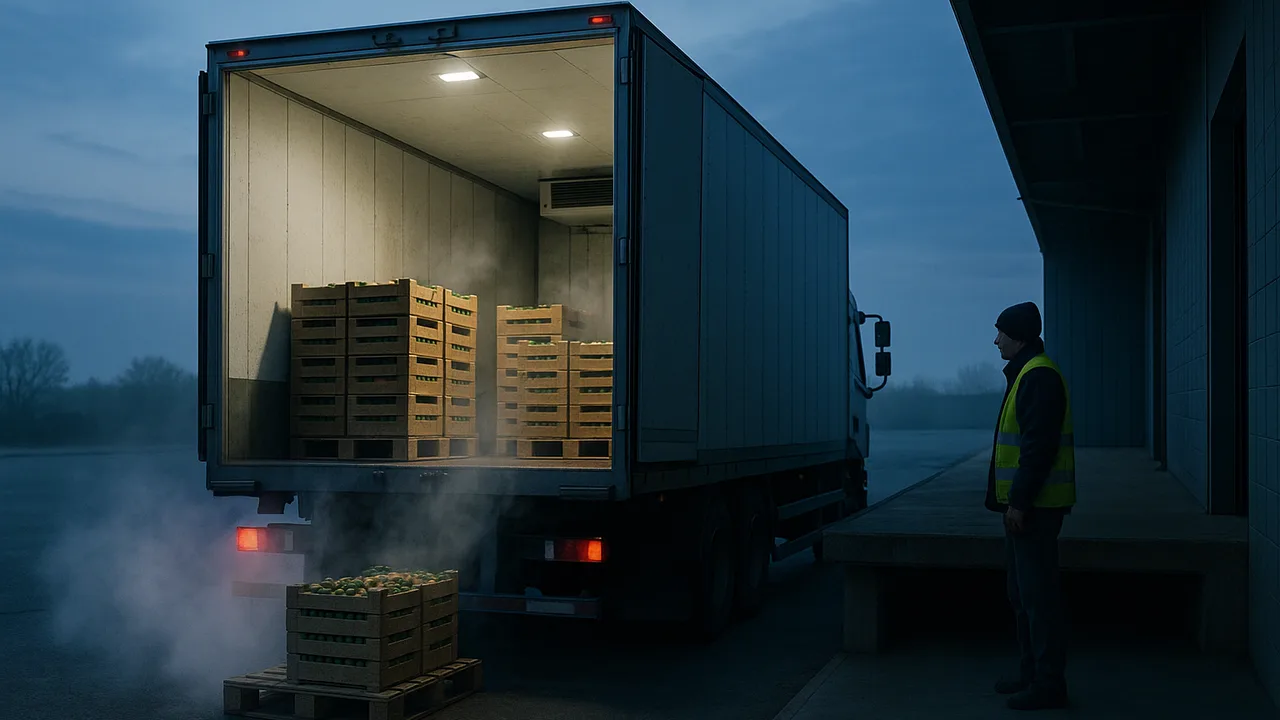
describe how engineers already keep vaccines and food cold during shipping, and use those solutions to improve my cooler design.
- I can describe what I need to know about how similar problems have been solved before.
- I can identify what evidence I need about how each solution might affect people and the environment.
- I can gather information from at least two sources to explain what synthetic materials are and which natural resources they come from.
- I can describe the chemical processes used to turn natural resources into synthetic materials, using examples from my sources.
- I can explain why society needs certain synthetic materials, such as new medicines, foods, or fuels.
- I can combine information from different types of sources, like graphs, diagrams, and text, to describe how synthetic materials are made from natural resources using chemical processes.
- I can explain how the properties of a synthetic material are different from the properties of the natural resource it was made from, and how these properties help the synthetic material do its job.
- I can describe how making and using synthetic materials affects natural resources and society, and how their structure and function meet a societal need or desire.
Phase 4: Build
Warm-Up ~5 min
Do Now. A clinic far from a city needs vaccines that must stay cold. The trip takes all day. How would you ship them?
What do you think most vaccine shipping boxes are made of?
Instruction ~10 min
Design engineers, good engineers do not start from zero. Before building, they ask how similar problems were solved before. Keeping things cold during a long trip is called the cold chain. Food and medicine companies have worked on it for many years.
Worked example 1: the vacuum-insulated bottle. In the 1890s, the Scottish scientist James Dewar designed a flask with two glass walls and a vacuum between them. A vacuum has almost no particles. With almost no particles to collide, thermal energy can barely cross the gap. Today’s insulated drink bottles use the same idea with steel walls. Their shiny surfaces also reflect energy from light.
Worked example 2: synthetic foam. Many coolers and shipping boxes use expanded polystyrene foam. It starts as petroleum or natural gas, which are natural resources. Through chemical reactions, small molecules link into very long chain molecules called a polymer. Tiny beads of that plastic are puffed up with gas, so the foam is mostly trapped air. The natural resource is a liquid or gas; the foam is a light, stiff, waterproof solid. Those new properties are exactly what a cooler needs.
Every material choice has effects. Foam is cheap and insulates well, but it is hard to recycle, and broken pieces can litter streams. Some cities and states limit foam food containers for this reason. Natural options include wool, cotton and cork, though they may cost more or insulate less.
| Solution | Natural resource it comes from | Key property | Effect on people or environment | Idea we can borrow |
|---|---|---|---|---|
| Foam shipping box | ||||
| Vacuum bottle | ||||
| Wool liner |
Guided Exercises ~15 min
Read the case study below with your team, then answer.
Independent Practice ~10 min
Borrow wisely.
Fill in the solutions table. Then choose ONE idea from the cold chain that you will add to your cooler, and explain the science idea that makes it work.
Does the information show that synthetic foam is made from a natural resource by a chemical process? Use two facts from today to support your answer.
🔎 Mini case study: Mini case study: shipping vaccines cold ~6 min
Many vaccines must stay between 2 °C and 8 °C from the factory to the clinic. If they get too warm, or even freeze, some can stop working. So vaccine makers ship them in insulated boxes with thick foam walls. Inside, cold packs are arranged around the vials, and the vials sit in the middle where temperatures stay steadiest.
Engineers test these boxes in hot and cold test rooms before using them. Many shipments also carry a small data logger. It records the temperature every few minutes, so the clinic can check that the vaccines stayed safe the whole way. When some newer vaccines needed far colder storage, they were shipped packed in dry ice instead.
The same ideas fit our lunches: slow the energy coming in, place cold packs carefully, and keep a temperature record as evidence.
Think about it: Which TWO ideas from vaccine shipping could improve your cooler, and what evidence would show that each one helped?
Closure ~5 min
You learned from people who solved a harder version of our problem. Next class: prototype day.
Exit ticket: name one synthetic and one natural insulator. Give one advantage of each.
How confident are you that you can I can describe how similar problems were solved before and use that to improve my design.
Teacher notes
Materials: an insulated drink bottle, a piece of foam packaging, a wool sock or felt, the solutions table.
Setup: pass the bottle and foam around. Keep the chemistry at the “small molecules link into long chains” level; no formulas are needed. The 2–8 °C range is the common storage range for refrigerated vaccines.
Listen for: “foam is natural because it comes from oil” (it is made FROM a natural resource, but is synthetic); “a vacuum sucks heat out.”
Support / stretch: give a cloze version of the case study. Stretch: research which number code is printed on polystyrene packaging and what it means.