5.03 Measure It, Then Make the Rules
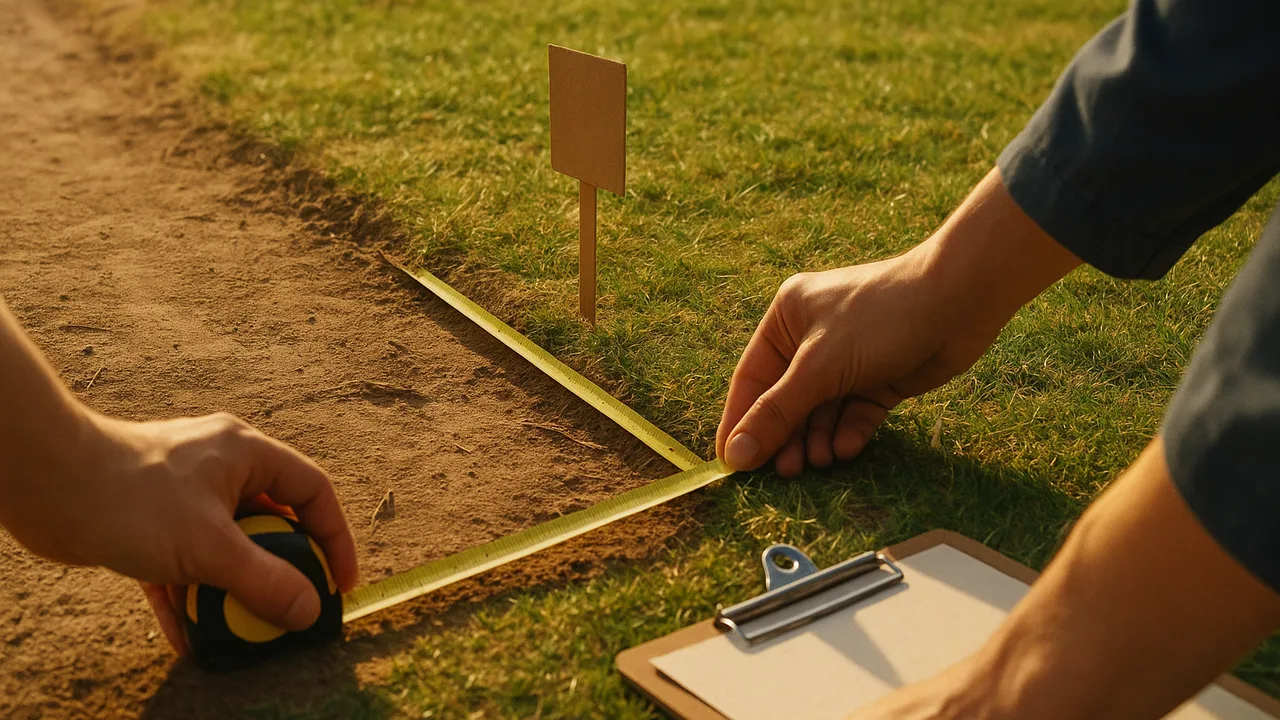
measure our problem, use science we already know to explain its cause, and list the criteria and constraints for a solution.
- I can list the features that a solution must have to solve the problem.
- I can describe the limits on my design, such as how much it costs, what materials I can use, or how much time I have.
- I can describe the required features (criteria) and limits (constraints) for a solution, including ways to increase benefits, decrease risks or costs, and meet what people need.
- I can explain how I will use the criteria and constraints to help create and test my design solutions.
Capstone: Investigate
Warm-Up ~5 min
Do Now. Malik says, “Our bird window is a big problem.” Mei asks, “How big? How many birds?” Malik does not know. How could he find out?
What is the best way for Malik to show how big the problem is?
Instruction ~10 min
Explore first. Today each team measures its problem. Pick the tool that fits:
- Noise: rate loudness from 1 to 5 at the same spot, or use a sound meter if your teacher has one.
- Signals: stand where students wait. Can you see or hear the signal? Count how many steps away it still works.
- Soggy ground: pour one cup of water on a small slope of soil in a tray. Watch where the water and soil go.
- Windows: look at the glass from outside. What do you see in it? Count reflections of trees or sky.
Then name the science. Use your toolbox to explain the cause. Hard walls and floors reflect sound energy, so noise bounces around. Water flows downhill and carries soil away. That is erosion. Glass can reflect light like a mirror. A bird’s eyes see trees in the glass, and its brain thinks it can fly there.
Now make the rules. Criteria are what the solution must DO to count as a success. Constraints are the limits you must work within, such as cost, materials, time and safety.
Worked example 1: the quiet lunchroom. Criteria: lower the noise rating from 5 to 3 or less; easy to clean. Constraints: use free or recycled materials; nothing on the floor that people trip on; build it in two class periods.
Worked example 2: the bird-friendly window. Criteria: break up the reflection so the glass does not look like open sky; still let light into the library. Constraints: no damage to the glass; must be removable; costs less than five dollars.
A good criterion can be checked with a test. “Looks cool” is hard to test. “Can be seen from 20 steps away” can be tested.
Guided Exercises ~15 min
Copy this table. Measure your problem at least three times, the same way each time.
| Trial | Where and when | What we measured | Result | Notes |
|---|---|---|---|---|
| 1 | ||||
| 2 | ||||
| 3 |
Then fill in your rules.
| Criteria (must DO) | How we will test it | Constraints (limits) |
|---|---|---|
Independent Practice ~10 min
On your own. Use your team’s rules table.
List two criteria your solution must meet and tell how you will test each one. Then list two constraints, such as cost, materials, time or safety.
Make sure your problem is about a need people have RIGHT NOW. Who needs it fixed this year, and how do you know?
Closure ~5 min
You measured your problem and wrote your rules. Those numbers are your “before” picture. Next time, we will brainstorm many solutions, not just one.
Exit ticket: what is the most important criterion for your design, and why does it matter to your client?
Teacher notes
Materials: clipboards; a sound meter or a 1–5 loudness scale card; trays, soil and cups of water for the erosion check; measuring tape or step counts; printed tables.
Setup: Stations by problem type let teams explore with the right tool. Window teams can view the glass from outside during recess with an adult. Lunchroom teams can rate noise during one real lunch period.
Listen for: criteria and constraints mixed up, and criteria that cannot be tested. Ask, “How would we KNOW it worked?”
Support / stretch: Provide a sorted word bank (must do / limits). Stretch: ask teams to rank criteria from most to least important and explain the order.