4.19 Shake, Rumble and Rise: Big Hazards
use facts about earthquakes, volcanoes, tsunamis and floods to design and test ways to protect people from their effects.
- I can use scientific information about earthquakes, floods, tsunamis, or volcanic eruptions to design at least two ways to help protect people from their effects.
- I can explain how my solutions use cause and effect relationships between the natural event and its impact on humans.
- I can test each solution in different situations and collect data to see how well it meets the criteria and constraints.
Phase 4: Build
Warm-Up ~5 min
Do Now. Stack five blocks into a tower on your desk. Gently shake the desk. What happens? Now try a wider tower with a bigger base.
Which tower stays standing better when the table shakes?
Instruction ~10 min
Junior engineers, the land changes in other ways, too. Remember our maps? Earthquakes and volcanoes often happen in bands along the edges of continents and oceans. People who live there need protection. We cannot stop these events. But we can lower the harm they cause.
Four natural hazards.
- Earthquake: the ground shakes suddenly. Buildings can crack or fall. Solutions: buildings with strong, braced frames that can sway without falling; drills to “drop, cover and hold on.”
- Volcanic eruption: hot lava, ash and gas come out of a volcano. Solutions: scientists watch volcanoes for warning signs, like small earthquakes; towns plan escape routes.
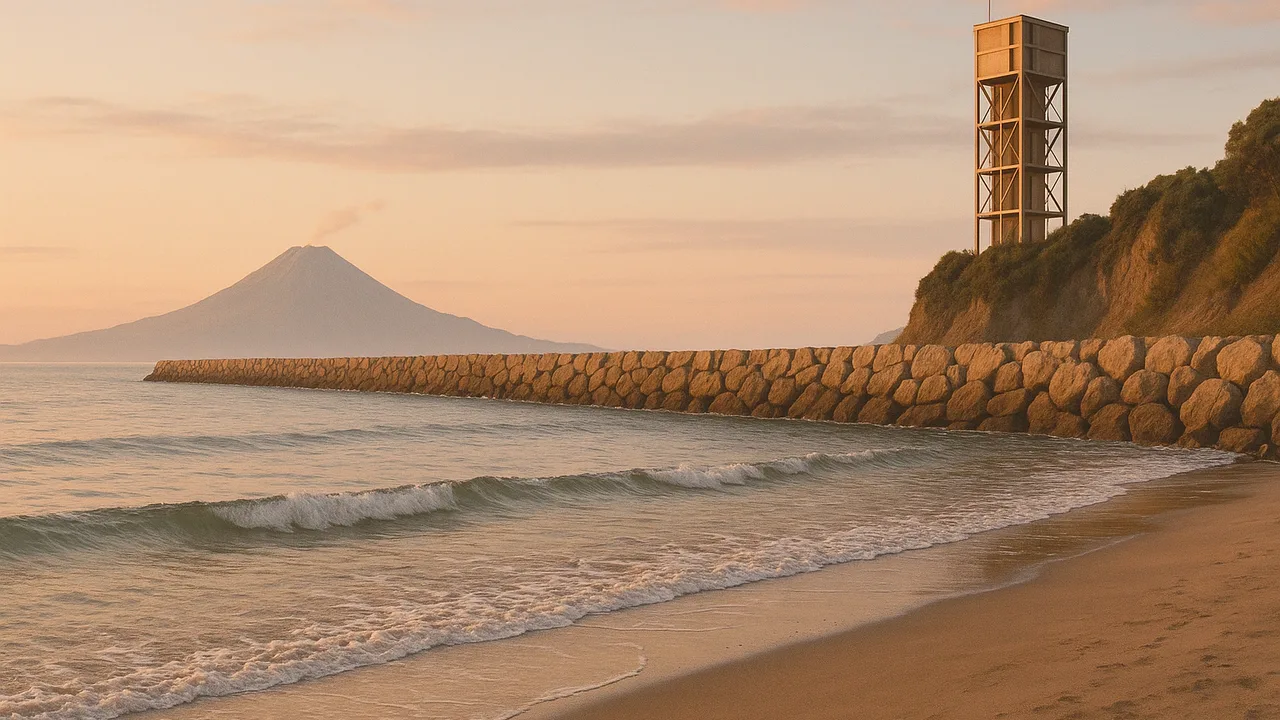
- Tsunami: giant ocean waves, often caused by an earthquake under the sea. Solutions: sensors and warning sirens; signs that point to high ground; sea walls in some places.
- Flood: water covers dry land. Solutions: levees, rain gardens, raised homes and flood warnings.
Worked example 1: two earthquake solutions. Jamal’s team builds two towers from index cards and tape. Tower A has no bracing. Tower B has an “X” of tape and cards on each side. They shake the tray the same way for 10 seconds. Tower A falls. Tower B stays up. Bracing changed the effect of the shaking.
Worked example 2: a warning compared to a wall. For a tsunami, a sea wall can block some waves. But it costs a lot and very big waves may go over it. A warning system costs less and gives people time to reach high ground. Many coasts use both.
Guided Exercises ~15 min
Build a shake table: set a tray on four round pencils. Build two towers with the same number of cards. Make one plain and one braced. Slide the tray back and forth the same way for 10 seconds.
| Tower | Design | Still standing after 10 s? (yes/no) | Pieces that fell | Notes |
|---|---|---|---|---|
| A | Plain | |||
| B | Braced | |||
| C | Our idea: |
Independent Practice ~10 min
Design for a hazard.
Pick one hazard: earthquake, volcanic eruption, tsunami or flood. Design two different ways to protect people from it. For each, explain the cause and effect: what it changes and how that keeps people safer.
Closure ~5 min
You used science facts to design for big hazards, not just rain and mud. Next lesson, we meet the people who do this work for a living and trade feedback with other teams.
Exit ticket: name one hazard and one solution. Explain how the solution lowers the harm to people.
Teacher notes
Materials (per team): a cafeteria tray or box lid, four round pencils, about 20 index cards, tape, a timer. A world map showing where earthquakes and volcanoes happen, from the Make Sense phase.
Setup: Model a fair shake: same distance, same speed, same time for each tower. Have one student run the timer.
Listen for: “earthquakes only happen far away” or “we can stop a volcano.” Keep the focus on lowering harm. Avoid scary details; keep it calm and practical.
Support / stretch: Assign struggling teams the flood hazard, which links to the model they know. Stretch: compare a warning system and a sea wall for cost and how well each works in a very big event.