5.01 Problem Hunters
The Young Innovators Expo
What problem in our community can we solve with everything we learned in science this year?
The mystery: Engineers, scientists and inventors start the same way: they notice a problem someone has, and they wonder how to fix it.
Questions we will figure out together in this unit:
- Why is the lunchroom so loud, and can soft things make it quieter?
- How could a light or sound signal tell us our bus has arrived?
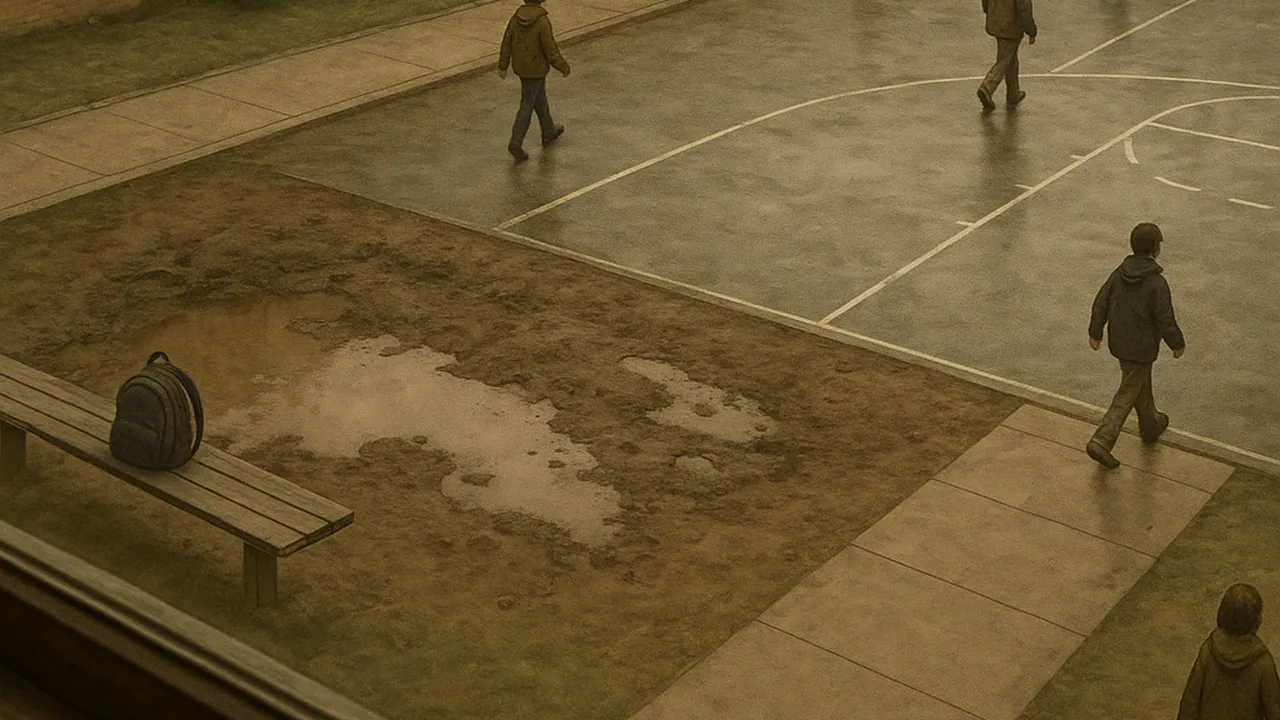
- Why does that corner of the playground turn to mud?
- Why do birds fly into windows they cannot see?
- How do real inventors test their ideas?
- Have kids ever invented something that changed the world?
- What if our first idea does not work?
- How do we know if our solution really helped?
spot a real problem at school or in our community and explain who has it and why it matters to them.
- I can use information I am given to explain a problem that comes from something people need or want.
- I can describe a problem that could be solved by making a new or better object, tool, process, or system.
Capstone: Spark
Warm-Up ~5 min
Do Now. Think about your school day. When does something bug you? Maybe the lunchroom is so loud you cannot hear your friend. Maybe you never know when your bus has pulled up. Jot down one thing that bugs you.
Where do most inventions start?
Instruction ~10 min
Junior engineers, this is our biggest mission yet. The PSSA is done. Now you get to use everything you learned this year. In two weeks, our school will host The Innovators Expo. Families will walk from table to table. At each table, a team will show a solution to a real problem at our school or in our community.
Your science toolbox. You may use ideas from ANY unit this year:
- Energy on the Move: energy moves as motion, sound, light, heat and electric current.
- Waves and Signals: waves have patterns, and patterns can send messages.
- Built to Survive: plants and animals have parts that help them live, and senses that send messages to the brain.
- Our Changing Earth: water and wind wear away rock and soil, and people can lower the harm.
Worked example 1: a loud lunchroom. Ava noticed that her lunchroom is very loud. Who has the problem? Students who cannot hear each other, and lunch aides who have to shout. Why does it matter? People get headaches and feel stressed. Which unit helps? Sound is energy that travels. Hard walls bounce sound back. So Ava’s problem connects to Energy on the Move and Waves and Signals.
Worked example 2: a soggy corner. Jamal noticed a corner of the playground that turns to mud after every rain. Who has the problem? Kids who slip, and the custodian who cleans muddy shoes off the floor. Water runs down from the blacktop and carries soil with it. That connects to Our Changing Earth. Maybe plants could help, too. That connects to Built to Survive.
A good problem has three parts. It names WHO has the problem. It says WHAT goes wrong. It explains WHY it matters. Here is a frame: “Who need a way to what because why.”
Teams and roles. You will work in teams of four. Roles rotate every lesson: Materials Manager, Recorder, Tester and Reporter. Our clients are the real people who have each problem. Families at the Expo are our audience.
Guided Exercises ~15 min
Work with your team. Use the arrows to move through each question. Take turns reading out loud. Tap “Ask SIERA for a hint” if you get stuck.
Independent Practice ~10 min
On your own. Walk through your school day in your mind. Pick the problem you most want to fix.
Write your problem with the frame: “____ need a way to ____ because ____.” Then name one unit from this year that could help.
How confident are you that you can I can describe a problem that a new or better object, tool or process could solve.
Closure ~5 min
Today we became problem hunters. Each team will now vote on one problem from the team’s ideas. Next time, you will interview the people who have the problem.
Exit ticket: describe your team's top problem. Who has it? What new or better object, tool or process might fix it?
Teacher notes
Materials: chart paper for the Wonder Board; sticky notes; role cards (Materials Manager, Recorder, Tester, Reporter); a one-page “science toolbox” summary of the four units.
Setup: Pick the Expo date now and invite families early. Keep the problem list to things students can study on school grounds. Approve each team’s problem before lesson 5.02. Steer away from problems that need adults to fix wiring, plumbing or traffic.
Listen for: solutions posing as problems (“We need a robot”). Ask, “What is going wrong, and for whom?” Also listen for problems that are really complaints about people. Reframe them toward a design need.
Support / stretch: Offer the four example problems as a menu for teams that stall. Stretch: ask a team to name two units that connect to its problem.