3.02 What Does the Nature Center Need? Teams, Needs, and Wants
Borrowed from Nature: A Nature-Inspired Invention
How do living things’ body parts help them survive, and how can we borrow their tricks to solve a human problem?
The mystery: Owls hunt at night and fly almost silently. Burrs from burdock plants grab onto a dog’s fur and ride along for miles.
describe a problem that a new invention could solve, explain how people’s needs and wants change over time, and start work in a team with a clear role.
- I can describe a problem that could be solved by making a new or better object, tool, process, or system.
- I can explain how people’s needs and wants can change over time.
- I can use information I am given to explain a problem that comes from something people need or want.
Phase 1: Spark
Warm-Up ~5 min
Do Now. Look at your own shoes. How do they stay on your feet? Laces, a strap, a buckle, or do you just slip them on? Now think about your grandparents’ shoes when they were in fourth grade. Would they be the same?
Long ago, before people had lamps or light bulbs, how did most families see at night?
Instruction ~10 min
Needs and wants. A need is something people must have, like food, water, shelter, and safety. A want is something people would like to have. Engineers solve problems that come from needs and wants. A problem is the gap between how things are now and how people want them to be.
Needs and wants change over time. People have always needed to keep warm, carry things, and close up their clothes. But the solutions keep changing. Clothes were once closed with ties and buttons. Later came zippers. Later still came hook-and-loop straps. Each new solution came when people wanted something faster, easier, or stronger.
Worked example 1: the backpack. Diego looked at backpacks over time. Long ago, many students carried books with a strap or in their arms. Then backpacks with two straps became common. Now many have padded straps and a pocket for a water bottle. Diego wrote: “The need stayed the same: carry school things. The wants changed: more comfort, more pockets, a place for water.”
Worked example 2: describing our client’s problem. Engineers write a problem statement. It names who has the problem, what the problem is, and why it matters. Priya’s team wrote this one for our client:
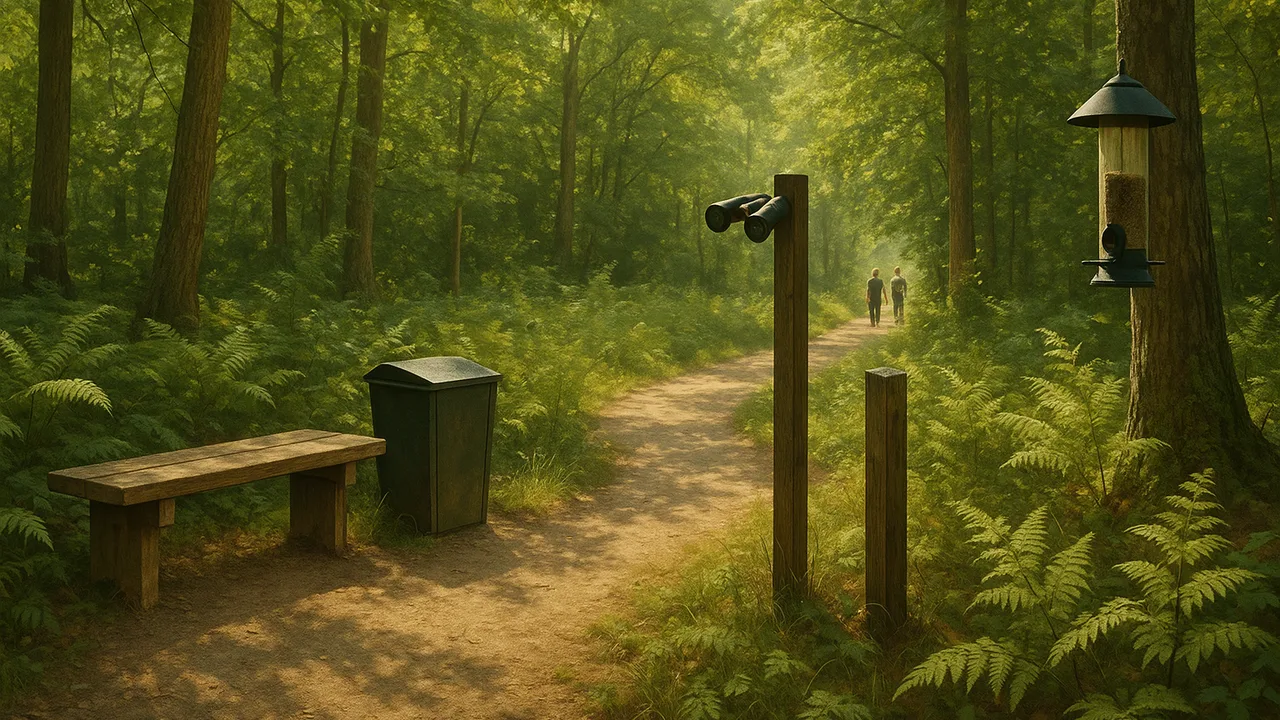
“The nature center needs a way to help visitors notice how plant and animal parts help them survive, because many visitors walk past the displays without stopping.”
A new or better object could help. So could a new process, like a scavenger hunt. Our project will be a new object: an invention that borrows a structure from nature.
Your team. You will work in teams of four. Roles rotate every lesson: Materials Manager, Recorder, Tester, and Reporter. The Materials Manager gets and returns supplies. The Recorder writes the team’s data. The Tester runs each trial. The Reporter shares the team’s ideas with the class. Everyone thinks, talks, and helps.
| Then (long ago) | Now | What need stayed the same? | What want changed? |
|---|---|---|---|
| Lighting at night | |||
| Closing up a coat | |||
| Carrying school things |
Guided Exercises ~15 min
Work as a team. The Recorder fills in the Then-and-Now table from the lesson. Then move through these questions with the arrows.
Independent Practice ~10 min
On your own, write like an engineer.
Write our client's problem in your own words. Use this frame: “The ____ needs a way to ____ because ____.”
Sign your team agreement. Write one promise you will keep to help your team work well together.
Closure ~5 min
Today you learned that engineers start with people’s needs and wants, and that those change over time. Your team is ready. Next time, we start investigating, beginning with seeds.
Exit ticket: what problem does our nature center client have? Use one piece of information from today's lesson to explain it.
Teacher notes
Materials: role cards (Materials Manager, Recorder, Tester, Reporter); a team agreement sheet; optional pictures of a candle, an oil lamp, a light bulb, and an LED flashlight.
Setup: Form teams of four and set a rotation chart so every student holds every role at least twice this unit. Model the Then-and-Now table with one row before teams fill the rest.
Listen for: students who call every want a need (“I need a video game”). Ask: “Could you stay alive and safe without it?” Also listen for problem statements that name a solution instead of a problem.
Support / stretch: Offer picture cards to sort into needs and wants. Stretch: ask how a need could change because of a change in the world, such as more people living in one town.