3.19 Revise and Get Ready
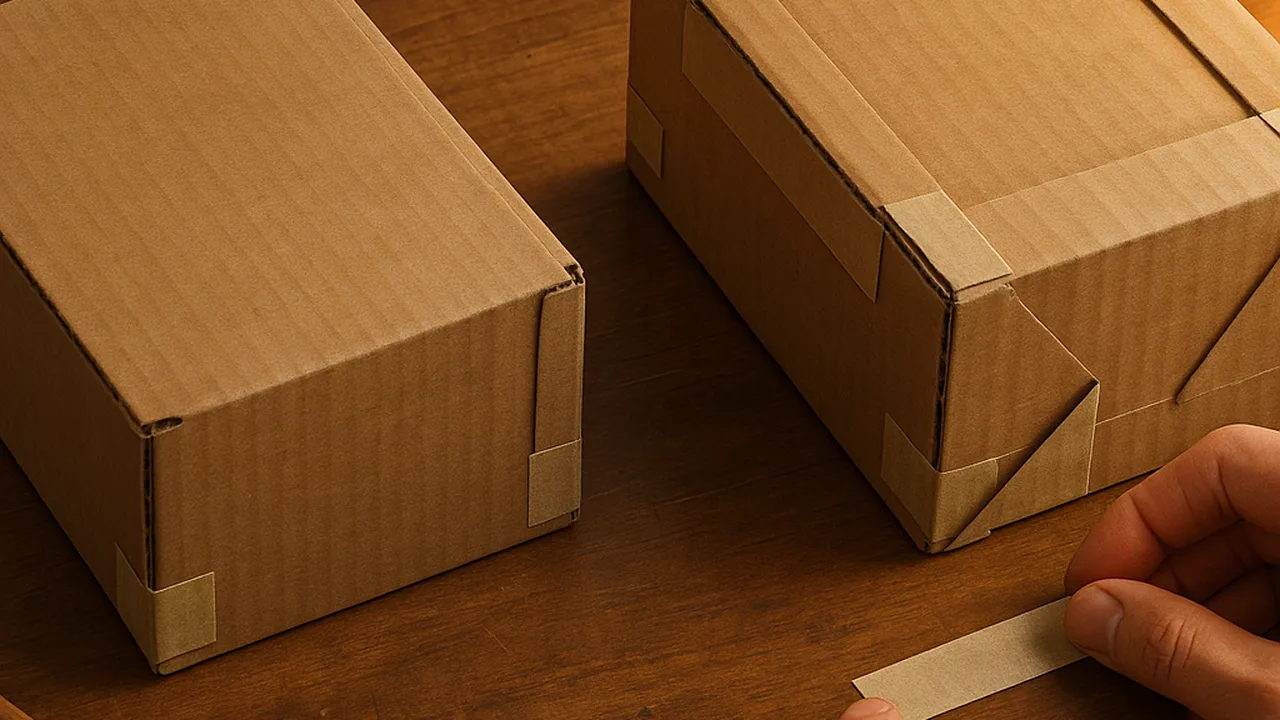
fix one failure point using our evidence, build version 2, and draft a display card that links our invention to the living thing.
- I can describe how I will collect evidence about how well my model or prototype meets the criteria and constraints.
- I can identify and describe specific parts of my model or prototype that do not meet the criteria or constraints.
- I can explain which parts of my model or prototype could be improved to better meet the criteria and constraints.
- I can explain how the evidence I collect will help me find problems or areas to improve in my model or prototype.
- I can use evidence to explain how inside and outside parts of plants and animals have special jobs.
- I can explain how these parts help plants and animals survive, grow, act, or make more of their kind.
- I can show how different parts work together as a system to help plants and animals live and grow.
Phase 4: Build
Warm-Up ~5 min
Do Now. Look at your trial table. Point to your biggest failure point. Tell your team, in one sentence, what you will change.
Malik's clip opened at a corner with one hook. What is the BEST change?
Instruction ~10 min
Revise with a reason. To revise means to change a design to make it better. A strong revision fixes a failure point that your data showed. Change ONE thing first. Then you will know if that change helped.
Worked example 1: Gecko Grip version 2. Diego’s data showed the strip peeling at one end. They wrapped tape all the way around the end. They did not change the liner or the slope. In a quick check, the grip held all three times. Their build log says: “Version 2: taped the end. Held 3 of 3.”
Worked example 2: Owl Quiet Fan version 2. Ava’s team saw the fringe bent flat. They cut a new fringe from thicker paper so it stands up. They also wanted to use the feedback from critique and add a small picture of an owl feather. Wait! That is two changes. So they test the new fringe first, and add the picture after.
Draft your display card. Visitors at the nature center will read it. It needs five parts:
- the plant or animal;
- the structure you borrowed;
- its job in nature, and one other part it works with;
- your invention and the human problem it solves;
- one test result.
Example card: “Burdock burr. Its tiny hooks catch animal fur, so the seeds inside travel to new places and grow. Our Burr Bag Clip copies the hooks to keep snack bags shut. Test: stayed shut 5 of 5 shakes.”
Guided Exercises ~15 min
Revise with your team. Use the arrows to move through each step.
Independent Practice ~10 min
On your own, explain the system.
On your display card, you named one other part your structure works with. Explain how the two parts work together to help the plant or animal survive, grow, or reproduce.
How confident are you that you can I can use evidence to improve my design.
Closure ~5 min
Version 2 is ready, and so is your display card draft. Next is Prove It: test day!
Exit ticket: what did you change, and what evidence told you to change it?
Teacher notes
Materials: prototypes, trial tables, build logs; extra materials; index cards for display-card drafts.
Setup: About 20 minutes to revise and check, 15 to draft the display card. Keep version 1 photos or notes so teams can compare.
Listen for: teams changing several things at once; display cards that skip the structure’s job in nature; and inventions whose borrowed part no longer does the same job. The “other part it works with” line keeps the 4-LS1-1 system idea alive.
Support / stretch: Offer a display-card frame with blanks. Stretch: ask teams to add a second revision idea for later and the test that would check it.