4.15 Hillside Hero Prototypes
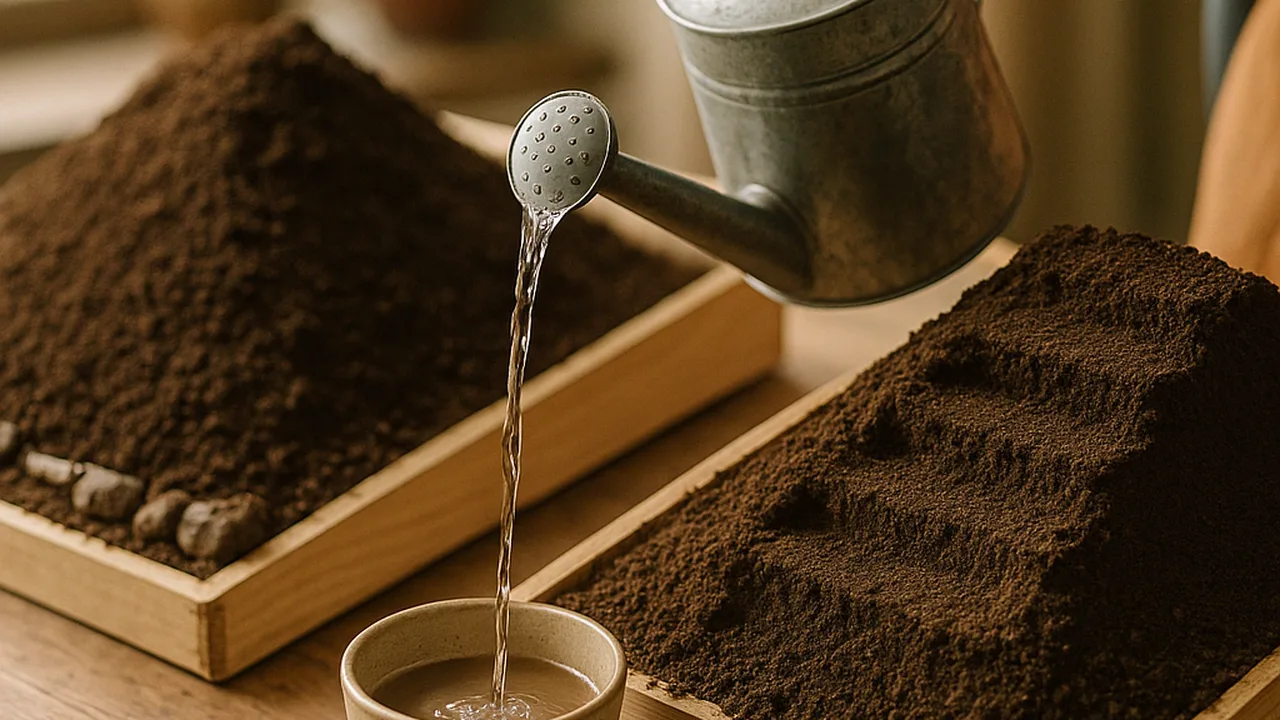
build two different solutions that keep soil on a hill and water off the road, and share them with another team.
- I can use scientific information about earthquakes, floods, tsunamis, or volcanic eruptions to design at least two ways to help protect people from their effects.
- I can come up with at least two possible solutions to a problem using what I know about science.
- I can share my ideas and findings about design solutions with others to help create more possible solutions.
Phase 4: Build
Warm-Up ~5 min
Do Now. Look at your team’s brainstorm list from the Make Sense phase. Circle the idea your team thinks will work best. Be ready to say why.
Which will hold the most soil on a steep model hill?
Instruction ~10 min
Junior engineers, time to build! Engineers solve problems by trying more than one idea. Today each team builds at least two solutions on the pan model hill. Then we compare them.
Solution menu.
- Plant cover: roots grip the soil. Leaves slow the rain before it hits the ground.
- Retaining wall: a strong wall at the bottom of a slope that holds soil back.
- Terraces: cutting a hill into flat steps, so water slows down.
- Rain garden: a low garden bed with plants that soaks up rainwater before it floods a street.
- Drainage: pipes or ditches that carry extra water safely away from homes and the road.
Worked example 1: cause and effect. Malik’s team knows that fast water carries more soil. So they build terraces from craft sticks. Each step slows the water. Slower water carries less soil. The cause they change is water speed. The effect they want is less erosion.
Worked example 2: two ideas, two jobs. Ava’s team builds a sponge “rain garden” at the bottom of one hill. On another hill, they build a craft-stick wall. The sponge soaks up water and keeps the “road” dry. The wall keeps more soil on the hill. Each idea solves a different part of the problem!
Peer critique. Visit another team’s build. Use three starters: “I like…” “I wonder…” “What if…” Be kind, be specific, be helpful.
Guided Exercises ~15 min
Build two solutions on your model hill. Test each with the same slope (2 books) and the same cup of water. Record your results.
| Solution | Mud rating (1–5) | Did the “road” stay dry? | Cost (cheap / medium / high) | Notes |
|---|---|---|---|---|
| No solution (control) | — | |||
| Solution 1: | ||||
| Solution 2: |
Independent Practice ~10 min
Think like an engineer for the council.
Name your two solutions. For each one, explain how it protects people from mud or flooding. Use “because” in each answer.
Based on your test and the feedback you got, what is one change you will make to your best prototype?
Closure ~5 min
You built prototypes and heard feedback, just like real engineers. Next, we look closely at what the council’s plan must do and what it can cost.
Exit ticket: which of your two solutions worked better? Use one number from your data table.
Teacher notes
Materials (per team): the pan model hill, craft sticks, clay or play dough, small rocks or gravel, kitchen sponges cut into strips (rain garden), straws (drain pipes), grass clippings or pre-sprouted seed mats, cups of water, paper towels.
Setup: Lay out the solution materials as a “store.” Keep the control (bare hill) test so teams have something to compare.
Listen for: “a wall stops the rain.” A wall holds soil but does not remove water, so drainage still matters.
Support / stretch: Give struggling teams a two-item menu. Stretch: ask teams to combine two solutions and predict whether the combo beats each one alone.