2.25 Unit 2 Checkpoint: Food, Energy and Ecosystems
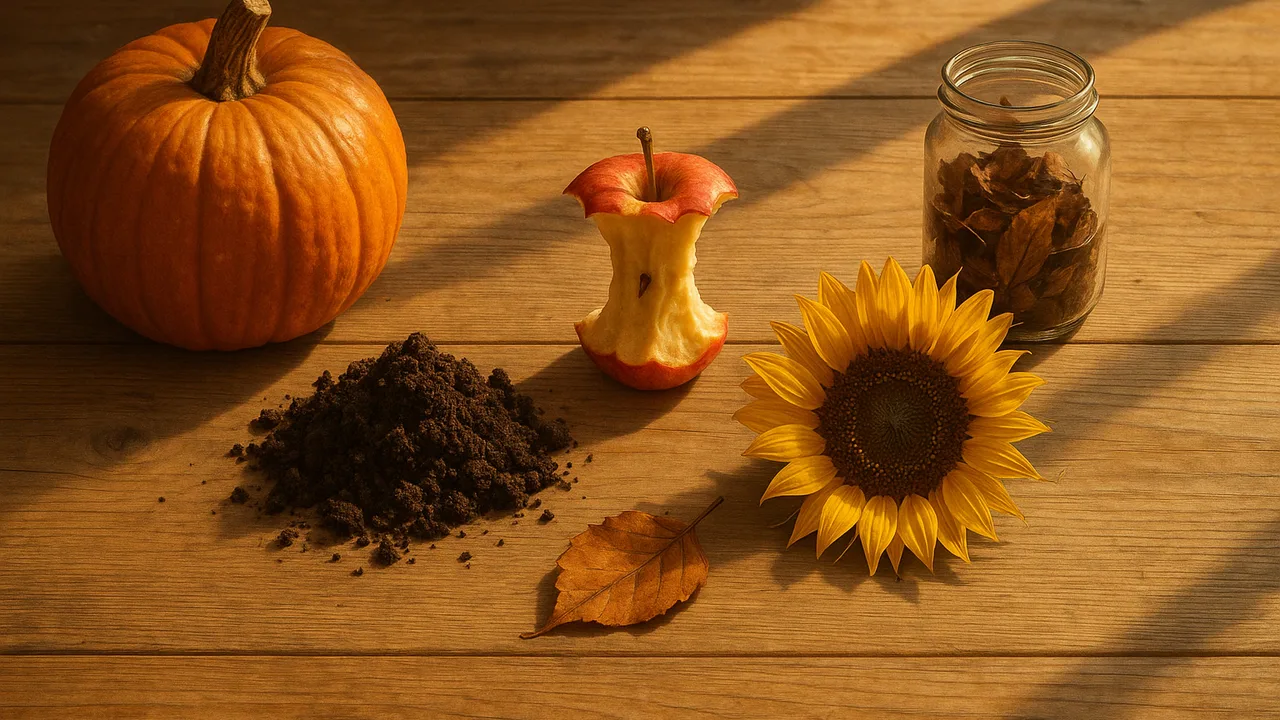
show what I learned about plant growth, energy from the Sun, matter cycles in ecosystems, and designing solutions across the whole unit.
- I can use reasoning to explain that soil changes very little in weight while plants grow a lot, and that some plants can grow without soil.
- I can argue that since plants can grow without soil and soil does not lose enough matter as plants grow, soil is not the main source of material for plant growth.
- I can explain that plants need water and air to grow, and since both are matter and enter the plant, they provide the materials plants need for growth.
- I can use my model to explain that all the energy animals use for body repair, growth, movement, and staying warm originally came from the sun through plants.
- I can describe how energy from the sun moves to animals through a chain of events, starting with plants making food and then being eaten by animals.
- I can use my model to show how matter cycles between plants, animals, decomposers, and the environment.
- I can explain how the interactions between plants, animals, decomposers, and the environment help different species meet their needs.
- I can use my model to show how adding a new species or changing something in the ecosystem can affect the balance and other parts of the system.
Phase 5: Prove It
Warm-Up ~5 min
Do Now. Remember the pumpkin seed that weighs less than a paper clip? Write one sentence that explains where the giant pumpkin’s mass came from.
How confident are you that you can I can explain where a plant's matter and energy come from.
Instruction ~10 min
Garden engineers, this is the unit checkpoint. It covers everything from the pumpkin puzzle to our garden club pitch. Part A has short questions. Part B asks you to use a model and to explain a design.
Tips. Read each question twice. For a CER, write a claim, give evidence with numbers when you can, and explain your reasoning. For a model, label every part and use arrows.
Worked example 1: a strong energy answer. Question: where did the energy a hawk uses to fly come from? Malik wrote: “The hawk ate a mouse. The mouse ate seeds. The plant made the seeds using energy from sunlight. So the hawk’s energy for flying first came from the Sun.”
Worked example 2: a strong matter answer. Question: a willow tree gained a lot of mass, but its soil lost very little. Ava wrote: “Claim: most of the tree’s mass did not come from the soil. Evidence: the tree gained much more mass than the soil lost. Reasoning: plants take in air and water, and both are matter, so that is where most new mass comes from.”
| Part | Big idea | My score |
|---|---|---|
| A1–A3 | Where plant matter comes from | |
| A4–A5 | Energy in food came from the Sun | |
| A6–A8 | Matter cycles in ecosystems | |
| A9–A11 | Designing and testing solutions | |
| B | Model and explain |
Guided Exercises ~15 min
Part A. Work on your own.
Independent Practice ~10 min
Part B. Use models and explain.
B1. Draw a model of a garden with lettuce, a rabbit, a fox and decomposers. Use one color of arrows to show matter cycling. Use another color to show energy coming from the Sun. Label each part.
B2. Write a CER: is soil the main source of the matter a plant uses to grow? Use evidence from our bottle biomes or another investigation.
B3. A school throws away its lunch fruit scraps. Describe the cause and effect of the problem. Give two possible solutions, explain how each would work, and describe how you would test them against the criteria.
B4. How did research, talking with the garden club and feedback from other teams make your design better? Give one example of each.
Closure ~5 min
Checkpoint complete. The next two days are Catch-up and Stretch, so you can strengthen any idea that still feels shaky.
Exit ticket: which part felt strongest? Which part do you want to practice in the next lesson?
Teacher notes
Materials: printed or online checkpoint, colored pencils for B1, notebooks with test data.
Setup: about 20 minutes for Part A and 15 for Part B. Allow students to use their own data tables but not their plans.
Listen for: energy arrows drawn in a loop; “plants eat soil”; “decomposers make energy”. Use the score table to sort students for 2.26 and 2.27.
Support / stretch: read questions aloud, allow labeled drawings for B2 and B3, and give a CER frame. Stretch: add a hawk to B1 and explain how removing the fox could change the system.