4.27 Catch-up and Stretch: Star Brightness and Better Designs
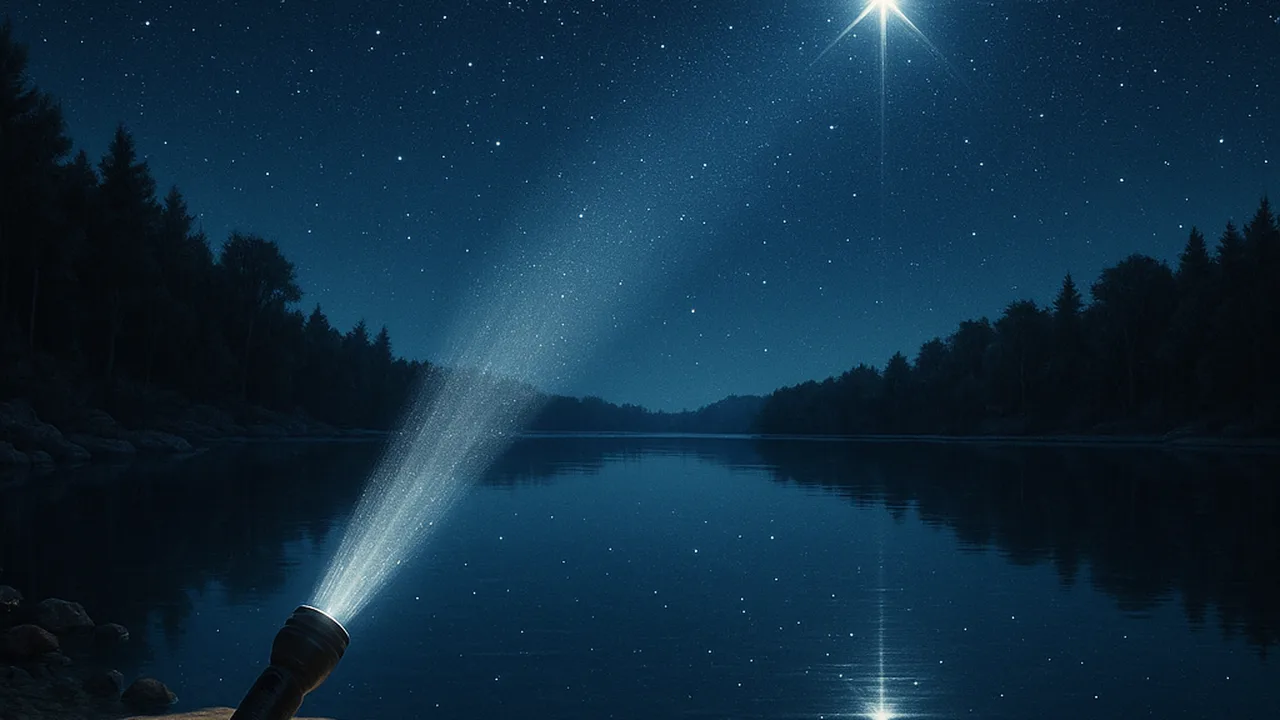
practice ideas about star brightness and sky patterns, and stretch by comparing design data to make a better sky tool.
- I can describe how the sun and other stars are natural objects in the sky that give off their own light.
- I can compare how bright the sun and different stars look from Earth.
- I can explain, using examples like streetlights, how objects that are closer look bigger and brighter than similar objects that are farther away.
- I can use evidence and reasoning to argue that the sun looks brighter and bigger than other stars because it is much closer to Earth, even though all stars give off their own light and are very large.
- I can explain that objects, like stars, look smaller and dimmer the farther away they are, so stars that are farther from Earth seem less bright than the sun.
- I can use examples of stars that look different in brightness to show that stars are at different distances from Earth.
- I can use the data I collected to compare how well each solution meets the criteria and constraints of the problem.
Phase 5: Prove It
Warm-Up ~5 min
Do Now. Finish this sentence: “A star can look dim because…” Then share with a partner.
How confident are you that you can I can explain why stars look different in brightness.
Instruction ~10 min
Junior engineers, choose your path. Pick at least two squares. Everyone does the final check.
| Square | Type | What you do | Done? |
|---|---|---|---|
| A. Hallway stars | Catch-up | Place matching flashlights at 2, 5 and 10 meters in a dim hallway. Rate how bright each looks. | |
| B. Star calendar fix-up | Catch-up | Fix a sample calendar that shows Orion in every month. | |
| C. Explain it to a sibling | Catch-up | Make a comic: why is the Sun the brightest star we see? | |
| D. Design showdown | Stretch | Compare two sample sky tools using user-test data. Pick one and suggest a combined design. | |
| E. Light-travel line | Stretch | Make a long paper strip that compares light from the Sun (about 8 minutes) with light from the next nearest star (more than four years). |
Worked example 1: square A. Mei rates the flashlights 5, 3 and 1 at 2, 5 and 10 meters. They are identical flashlights, so distance alone changed how bright they looked. These are sample ratings.
Worked example 2: square D. Sample data: 8 of 10 families found a star group with the star-finder; 6 of 10 found one with the calendar wheel. But the calendar wheel was faster to read. Jamal suggests a star-finder with a simple monthly list on the back, combining the best of both.
Guided Exercises ~15 min
Final check for everyone, after your squares.
Independent Practice ~10 min
Show what you know now.
Argue, with evidence and reasoning, that the Sun looks brighter and bigger than other stars because it is much closer. Use one example of stars that look different in brightness.
Closure ~5 min
Congratulations, sky engineers! You finished Sky Patterns and Gravity. Next: your 3DX field trip.
Exit ticket: what is the most important thing you learned this unit about the sky? Who will you teach it to?
How confident are you that you can I can explain why stars look different in brightness and how sky patterns help us build tools.
Teacher notes
Materials: matching flashlights, measuring tape, a sample “wrong” calendar showing Orion every month, comic templates, sample user-test data cards, long paper strips for square E.
Setup: Assign squares A and C to students who missed brightness items, B to those who missed seasonal-star items. Square E uses a strip where the Sun’s 8 minutes is a tiny dot near one end and the next nearest star is far along the strip; keep it a rough picture, not a scale drawing.
Boundary note: explain brightness with relative distance only. Do not introduce star size, color, age or life stages.
Listen for: “the Moon is a star”; “dim stars are small.” Redirect with the flashlight model.
Support / stretch: Sit with the square A group. Stretch: in square D, ask students to write a new criterion for version 2 of the sky tool.