4.13 Three Clocks in the Sky: Daily and Yearly Patterns
compare our shadow, daylight and star data to find what is alike and different about how often each pattern repeats.
- I can compare my data about shadows, daylight, and stars to find similarities and differences in how often these changes happen, like how shadows change daily and stars appear seasonally.
- I can use my data to explain how the sun’s movement across the sky causes shadows to change in length and direction during the day.
- I can use my data to describe how the length of the day changes throughout the year, with longer days in summer and shorter days in winter.
- I can use my data to explain that some stars or groups of stars can be seen all year, while others are only visible at certain times.
Phase 3: Make Sense
Warm-Up ~5 min
Do Now. A clock’s second hand repeats every minute. Its hour hand repeats every 12 hours. A calendar repeats every year. Which of our sky patterns is like each one?
Which sky pattern takes the LONGEST to repeat?
Instruction ~10 min
Now we compare. We have three sets of data: shadows across one day, daylight hours across one year, and constellations across four seasons. Each one is a pattern. But they repeat on different schedules. Scientists compare patterns by asking how often each one repeats.
Daily patterns. Day and night, the Sun’s path from east to west, and shadow length and direction all repeat about every 24 hours. That is one spin of Earth.
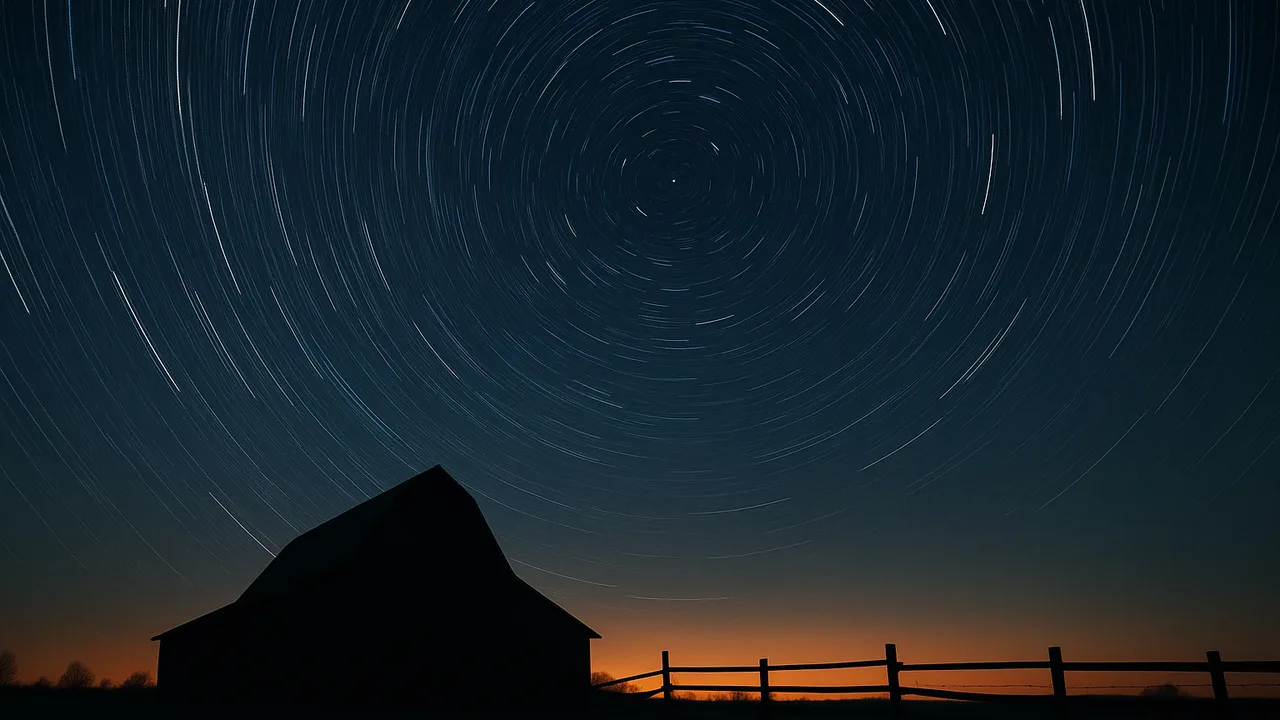
Yearly patterns. Daylight hours grow from winter to summer and shrink from summer to winter. Constellations like Orion and Scorpius take turns in our evening sky by season. Both of these repeat about once a year. Some things, like Cassiopeia and the North Star, can be seen all year.
Worked example 1: a comparison table. Ava’s team made three columns: Pattern, How often it repeats, Evidence. Shadows: every day; our shadow graph. Daylight hours: every year; our daylight bar graph. Orion in the evening: every year; our star table. Then they wrote one alike and one different. Alike: all three repeat, so we can predict them. Different: shadows change in hours, but stars and daylight change over months.
Worked example 2: a pattern that changes slowly. Malik noticed something on a winter shadow board. His sample 1:00 shadow was much longer in January than in April. So the daily shadow pattern itself shifts a little across the year. We describe that pattern now. Explaining the causes of seasons is saved for middle school.
Project link. Our shadow clock uses the daily pattern. Our sky calendar uses the yearly patterns. Knowing how often each one repeats tells us how to design each tool.
Guided Exercises ~15 min
Sort and compare the patterns with your team.
Independent Practice ~10 min
Make your own comparison table with three columns: Pattern, How often it repeats, Evidence.
Compare the shadow pattern and the constellation pattern. Write one way they are alike and one way they are different, with evidence from our data.
Closure ~5 min
We compared our sky clocks: some tick daily, some yearly. Next time, we use every idea we have learned to dream up designs for our two tools.
Exit ticket: why can a shadow clock work every day, but a sky calendar needs to change by season?
Teacher notes
Materials: shadow graphs, daylight graphs and star tables from 4.07 and 4.09, chart paper for the comparison table.
Setup: post the three data displays side by side.
Listen for: students who mix the two time scales, such as “Orion moves away by lunchtime.” Some will ask WHY daylight changes or why stars change by season. Describe the pattern only; the causes of seasons are outside 5-ESS1-2. The winter-versus-spring shadow example is a description of data, not an explanation.
Support / stretch: provide a partly filled comparison table. Stretch: add the Moon’s changing shape as a pattern and estimate how often it repeats (about a month).