3.13 Our Creek in the Big Picture
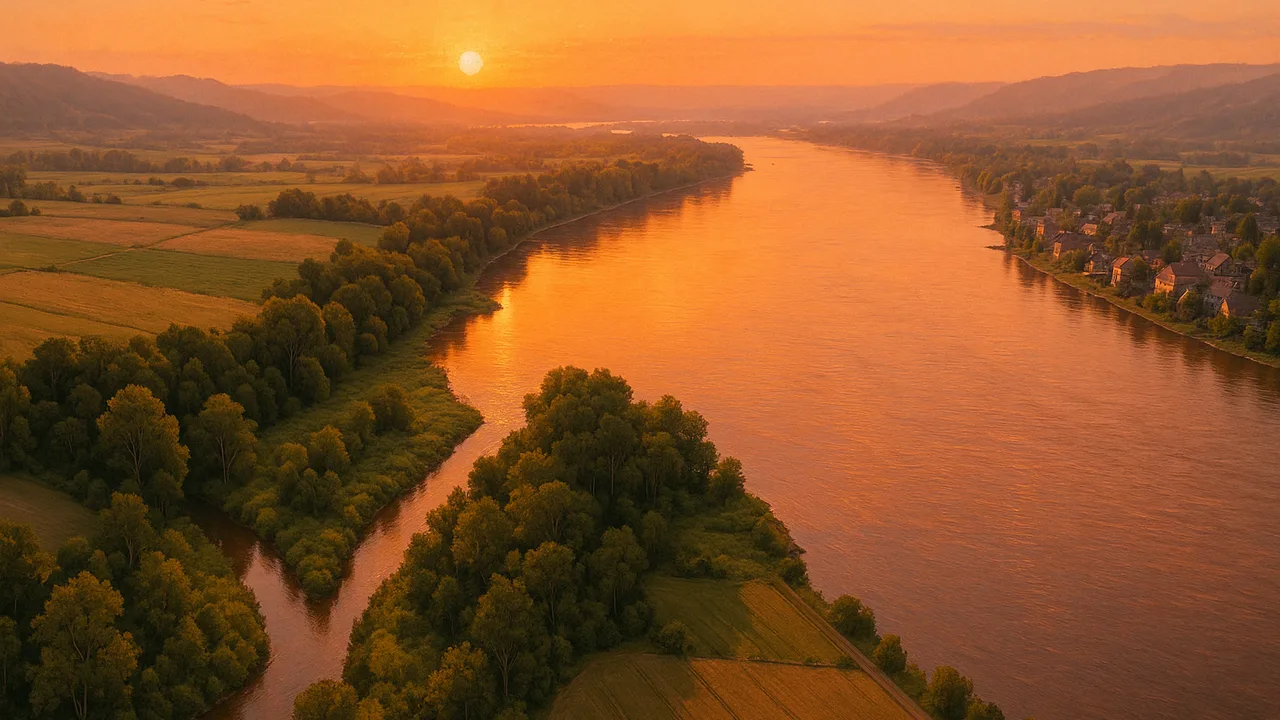
explain how our creek connects to bigger rivers and Earth’s systems, and use that information to sharpen our problem statement.
- I can use my model to explain different ways the two Earth systems in my example work together to change Earth’s surface.
- I can use my model to show how parts of one Earth system help that system work and also help the other system work.
- I can use information I am given to explain a problem that comes from something people need or want.
- I can define the limits for solving a problem, making sure it is about something people need or want right now.
Phase 3: Make Sense
Warm-Up ~5 min
Do Now. Look at your paper watershed from 3.09. Where did the color from the high land end up?
Soil washes into our creek during a storm. How far could that soil travel?
Instruction ~10 min
Small creeks feed big rivers. Our creek’s watershed is one small piece of the big river’s watershed. That may be one piece of an even bigger river’s watershed. The huge Mississippi River watershed, for example, is made of thousands of smaller watersheds. Like nesting boxes, small watersheds fit inside bigger ones.
All four spheres meet at the creek. Rain from the atmosphere falls on the geosphere. It runs off or soaks in, joining the hydrosphere. Trees and fish of the biosphere depend on it. A change in one sphere spreads to the others, and downstream.
Worked example 1: following one change. Diego imagines a parking lot built where a field used to be. More rain runs off pavement (geosphere to hydrosphere). The creek rises faster after storms and wears away its banks. Muddy water flows on into the big river. One local change spreads through the system.
Worked example 2: sharpening the problem. Priya’s first problem statement said, “The creek is dirty.” Now she uses what we learned: “Neighbors need less runoff, soil and trash reaching the creek after storms, because they harm the creek and the rivers downstream.” It names who, what and why, and it fits a need people have today.
Needs change. As more land is paved, this need grows. Long ago, more land was covered in plants, and more rain soaked in. Our plan must fit the town as it is now.
Guided Exercises ~15 min
Draw a “nesting watersheds” diagram: our creek inside the big river’s watershed inside an even bigger river’s watershed. Then fill in this chain.
| Change in our watershed | Spheres involved | Effect on our creek | Effect downstream |
|---|---|---|---|
| A new parking lot | |||
| Trees planted along the bank | |||
| Trash left near a storm drain |
Independent Practice ~10 min
Write your final problem statement.
Rewrite your 3.02 problem statement using what we learned. Then explain why this need is bigger today than it was long ago.
Closure ~5 min
Our creek is a small part of a giant system. Next, we brainstorm ideas to protect it.
Exit ticket: explain how protecting our small creek can help rivers far away.
Teacher notes
Materials: a map showing our creek, the big river it feeds and the rivers downstream to the ocean; 3.09 paper watersheds; chart paper for nesting-boxes diagrams.
Setup: Trace the creek-to-ocean path on the map before class.
Listen for: “Rivers are separate.” Use nesting boxes or cups to show watersheds inside watersheds. Keep local history general. The problem statement is a formative check of 3-5-ETS1-1:1a.
Support / stretch: Give a fill-in problem frame. Stretch: ask students to name who downstream depends on the same water.