2.09 What If the Light Changes?
test what I can see when the light is removed, blocked or changed, and finish my team’s criteria and constraints for the silent signal.
- I can use my model to describe what happens to what we see if the light source is removed, blocked, or changed.
- I can use my model to show what happens if the eye is closed.
- I can use my model to explain how changing the path of light, like using mirrors or barriers, affects what we can see.
- I can use my model to show that we need light to reflect off an object and enter our eyes for us to see things that do not make their own light.
Phase 2: Investigate
Warm-Up ~5 min
Think about field day. What if a cloud covers the Sun? What if someone stands between you and a waving flag?
You cover a flashlight with three layers of tissue paper and shine it on a picture card. What will you see?
Instruction ~10 min
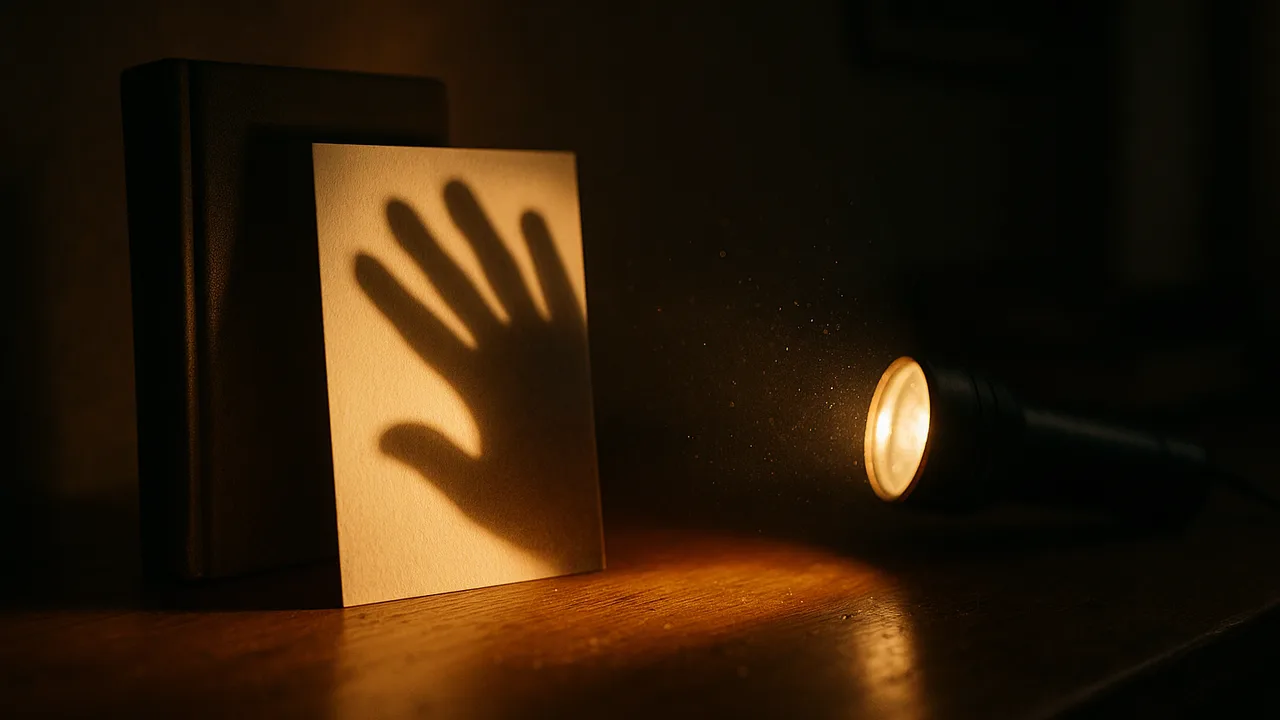
The Light Change investigation. Use a picture card on a desk, a flashlight, tissue paper, a sheet of cardboard and a mirror. Dim the room lights. The Tester changes one thing at a time. The other teammates sit and look at the card.
- Light on: shine the flashlight on the card.
- Light removed: turn the flashlight off.
- Light changed: cover the flashlight with tissue paper.
- Path blocked: hold cardboard between the card and the viewers’ eyes.
- Eyes closed: viewers close their eyes with the light on.
- Path changed: point the flashlight away, then use a mirror to bounce its light back onto the card.
| Change | Could you see the card? (clearly / dimly / no) | Why? (where did the light stop or go?) |
|---|---|---|
| Light on | ||
| Light removed | ||
| Light changed (tissue) | ||
| Path blocked (cardboard) | ||
| Eyes closed | ||
| Path changed (mirror) |
Worked example 1: blocked versus removed. When Jamal turned off the flashlight, no light reached the card. When Mei held up the cardboard, the light still hit the card. But the reflected light could not reach her eyes. Both times, nobody saw the card, but for different reasons.
Worked example 2: eyes closed. Priya closed her eyes. The card was lit, and light was bouncing off it. But her eyelids blocked the light from going in. Seeing needs light to enter the eye.
Defining our problem. You now know a lot about waves and light. Finish your team’s list for the silent signal. Then circle the two criteria that matter most to the client.
| Criteria: our signal must… | Constraints: our limits are… |
|---|---|
| be seen across the whole field | no phones, no shouting |
| work for someone who cannot hear well | cheap classroom or household materials |
| still work if light changes, like a cloudy day | never shine light in anyone’s eyes |
Guided Exercises ~15 min
Use your Light Change table.
Independent Practice ~10 min
Connect your data to field day.
On field day, a tall person stands between you and a waving flag. Using your data, explain why you cannot see the flag and give two ways to fix it.
Closure ~5 min
You finished the Investigate phase. You have data on ripples, slinkies, ropes, wave pushes, shoeboxes, mirrors and light changes. Next, in Make Sense, we turn that data into models and explanations. First, take your 3DX field trip to The Wave Lab.
Exit ticket: what is the difference between removing the light and blocking the light path? Give one example of each.
Teacher notes
Materials: picture cards, flashlights, tissue paper, cardboard sheets, mirrors, team criteria lists from 2.03 to 2.08. Rotate team roles today: Materials Manager, Recorder, Tester, Reporter. Each person gets a new job.
Setup: dim the room. Teams sit in a row facing the card so everyone views it the same way.
Listen for: treating “removed” and “blocked” as the same; “tissue makes the light a different kind” (it lets less light through). This lesson closes the Investigate section; the 3DX tour follows.
Support / stretch: act out the light path with yarn from flashlight to card to eye, then cut the yarn for “blocked.” Stretch: design a test to see whether colored cellophane also makes the card dimmer.