1.21 Brakes That Save Energy: A Real-World Design
explain how regenerative braking changes motion energy into electric energy and compare it with regular brakes using criteria.
- I can describe how using different energy resources causes different effects on the environment.
- I can explain how technology helps people get and use energy resources and how that affects the environment.
- I can use information from research to explain what causes a problem and what effects it has.
- I can use scientific facts I have learned to help me understand the problem.
- I can use the data I collected to compare how well each solution meets the criteria and constraints of the problem.
Phase 4: Build
Warm-Up ~5 min
Do Now. Rub your palms together fast for 10 seconds. What do you feel?
When you rub your hands fast, motion energy changes into what?
Instruction ~10 min
Junior engineers, our machine has energy changers. So do cars. Today we study a real design that engineers use every day.
The problem. A moving car has a lot of motion energy. When it stops, that energy has to go somewhere. Regular brakes rub on the wheels. Like your hands, the rubbing turns motion energy into heat. The heat spreads into the air and is lost. Then the car must use more fuel or battery energy to speed up again.
Worked example 1: a city bus. A city bus stops and starts many times each day. Each stop turns motion energy into wasted heat. Each start uses more energy. That is the cause and the effect of the problem.
Worked example 2: comparing two solutions. Engineers compared regular brakes with regenerative brakes using the criteria. Both must stop the vehicle safely. Regenerative brakes also save some energy. But they cannot do hard, quick stops alone, so vehicles keep regular brakes too. Engineers chose to use both.
| Criterion | Regular brakes | Regenerative brakes |
|---|---|---|
| Stops the vehicle safely | ||
| Motion energy changes into… | ||
| Saves energy for later? | ||
| Works for hard, quick stops? |
Guided Exercises ~15 min
Fill in the comparison table with your team. Then answer these.
Independent Practice ~10 min
Use the comparison table as your evidence.
Which brake design better meets the criteria? Compare both designs on at least two criteria. Explain why engineers decided to use both.
🔎 Mini case study: brakes that save energy ~8 min
When a regular car stops, its brakes rub on the wheels. That rubbing turns the car’s motion energy into heat. The heat just spreads into the air and is lost.
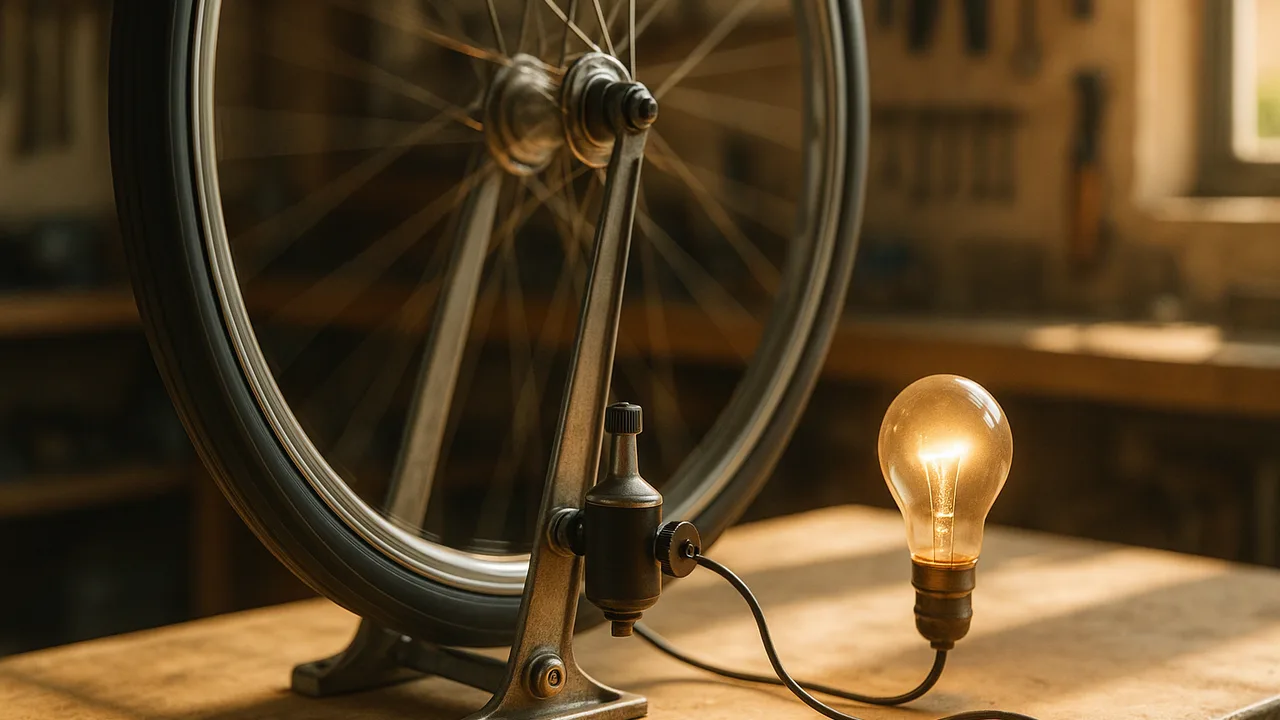
Many electric cars, hybrid cars and electric buses do something smarter. It is called regenerative braking. When the driver slows down, the electric motor runs backward like a generator. It changes some of the motion energy into electric energy. That electric energy goes back into the battery. Later, the battery uses it to help the vehicle move again.
Engineers like this design because a bus in a city stops and starts many times each day. Each stop is a chance to save a little energy. Using less fuel can also mean less smoke and pollution in the air. The vehicle still has regular brakes, too, for quick or hard stops.
Think about it: In regenerative braking, what form of energy does motion change into? How is that like the energy changer in our machine?
Closure ~5 min
Engineers solve real energy problems the same way you do: compare solutions, test and improve. Next time, meet the people who do this for a living.
Exit ticket: draw arrows to show the energy path when a bus with regenerative braking slows down and then speeds up again.
Teacher notes
Materials: the comparison table, notebooks. Optional: a small toy hand-crank flashlight to show motion becoming electric energy.
Setup: read the case study aloud, then have teams fill the table together.
Listen for: “regenerative braking makes free energy” (it saves only some of the motion energy; most vehicles still use fuel or charging); “the heat is destroyed” (it spreads into the air).
Support / stretch: pre-fill one row of the table. Stretch: ask where else a design like this could help, such as an elevator or a train that stops often (no need for facts beyond the case study).