2.06 Cause or Coincidence? Revising the Coevolution Argument
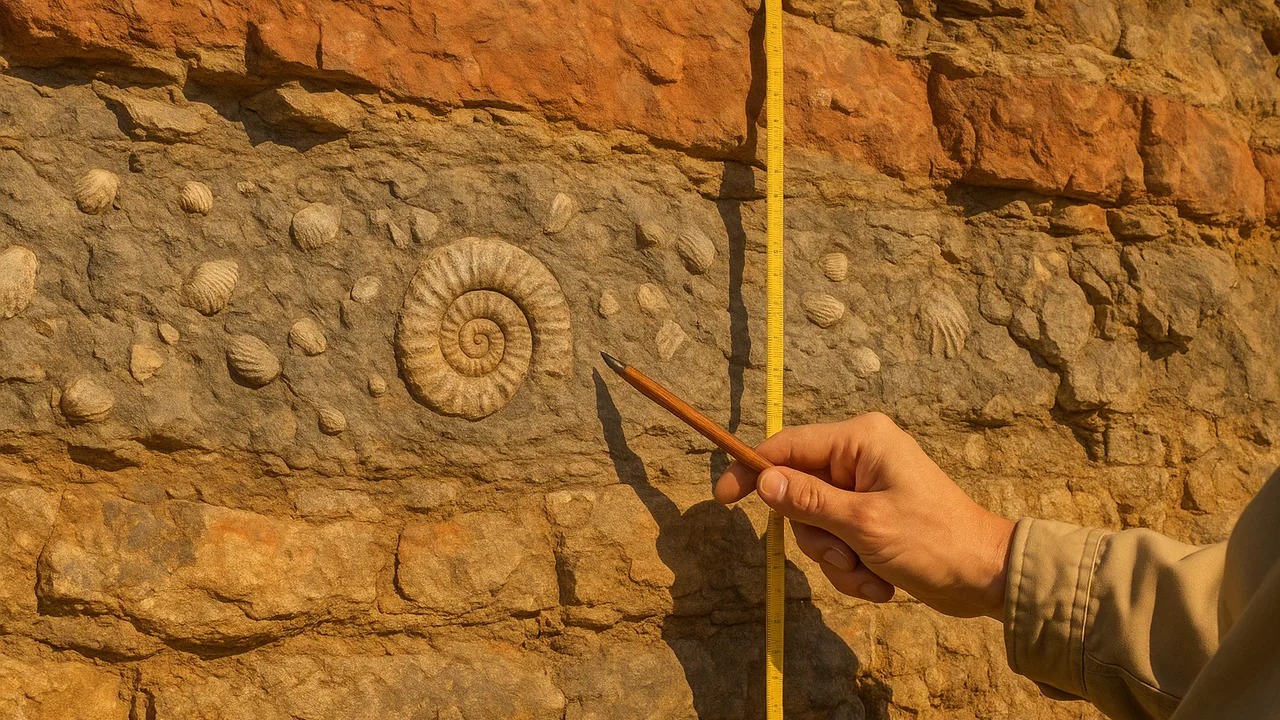
evaluate whether rock and fossil data show cause and effect or only correlation, revise our coevolution model with feedbacks, and brainstorm trail stations grounded in that science.
- I can evaluate scientific evidence by explaining how uncertainty or limitations in the data might affect how useful it is as evidence.
- I can judge whether the data can show a cause-and-effect relationship or just a correlation between changes in the biosphere and changes in other Earth systems.
- I can use at least two examples to construct logical oral and written arguments showing how the evolution of photosynthetic organisms led to major changes in Earth’s atmosphere and oceans, such as the formation of iron oxide deposits, increased weathering, and the evolution of animal life that depends on oxygen.
- I can identify and explain causal links and feedback mechanisms between changes in the biosphere and changes in Earth’s other systems.
- I can develop a claim, based on evidence, that Earth’s systems and life on Earth have evolved together at the same time.
Phase 3: Make Sense
Warm-Up ~5 min
Do Now. Ice cream sales and sunburns both rise in summer. Does ice cream cause sunburn? Write what really links them.
If two changes happen at the same time in the rock record, one must have caused the other.
Instruction ~10 min
Explore first: a simplified dataset (sample data based on published ranges). Each team gets this table. Real estimates of ancient oxygen carry wide uncertainty; these rounded values are for practice.
| Time (billion years ago) | Oxygen (% of today’s level, sample) | Rock or fossil evidence | Correlation or cause? Why? |
|---|---|---|---|
| 3.0 | < 0.001 | stromatolites; river-rounded pyrite | |
| 2.2 | about 1–10 | red beds appear; pyrite grains gone | |
| 1.8 | about 1–10 | most banded iron deposition ends | |
| 0.54 | much higher | large animals with hard parts spread | |
| 0.40 | near today’s | forests spread; carbonate burial rises |
Correlation versus causation. A correlation means two things change together. A causal claim says one change produced the other, and it needs three things: the right order in time, a mechanism that can be tested, and support from independent lines of evidence. Oxygen and red beds pass all three: red beds come after oxygen rises, oxidation of iron is a known chemical mechanism, and pyrite grains disappearing points the same way.
Worked example 1: a strong causal link. Mei claimed photosynthesis caused banded iron formations. Order: stromatolites and other signs of microbial life appear before the main banded iron deposits. Mechanism: oxygen reacts with dissolved iron to form insoluble iron oxide that settles. Independent evidence: banded iron deposition largely stops as free oxygen builds and dissolved iron runs out. Her limitation: the earliest dates for oxygen-producing photosynthesis are still debated, so she marked them with a question mark.
Worked example 2: a weaker link. Jamal claimed rising oxygen caused large animals to evolve. The timing correlates and oxygen-hungry animals need oxygen, so it is plausible, but other changes (ocean chemistry, climate, ecology) happened at similar times. He revised his claim to “rising oxygen made large, active animals possible”, a claim his evidence can support.
Feedbacks. Some links loop. More forests sped weathering, which drew down carbon dioxide and cooled the climate; a cooler climate changed where forests could grow. Revise your 2.05 timeline by adding at least one feedback loop and rating each arrow as “causal, strong” or “correlation, needs more.”
Ideate. Close by brainstorming trail stations. Go for quantity, build on others’ ideas, defer judgment, and make every station teach either how we know Earth’s age or how Earth and life changed together.
Guided Exercises ~15 min
Use the sample dataset and your revised timeline.
Independent Practice ~10 min
Revise the model.
Redraw your coevolution timeline with at least four arrows and one feedback loop. Label each arrow “causal, strong” or “correlation, needs more” and give the evidence for your label.
Closure ~5 min
Our argument is sharper and we have station ideas. Next phase, we design the trail.
Exit ticket: name one arrow you downgraded from “causal” to “correlation” and explain why.
How confident are you that you can I can judge whether data show cause and effect or only correlation between changes in life and in Earth's other systems.
Teacher notes
Materials: printed sample dataset, timelines or photos from 2.05, sticky notes, chart paper for the brainstorm.
Setup: stress that the oxygen percentages are simplified sample values; published estimates vary widely, especially before 2 billion years ago. Keep the brainstorm lists for 2.07.
Listen for: “it happened at the same time, so it caused it”; “uncertain means wrong”; one-way arrows only.
Support / stretch: give a causal-claim checklist (order, mechanism, independent evidence). Stretch: propose one measurement that would strengthen a weak arrow.