2.06 Air to Wood to Air: A Matter-and-Energy CER
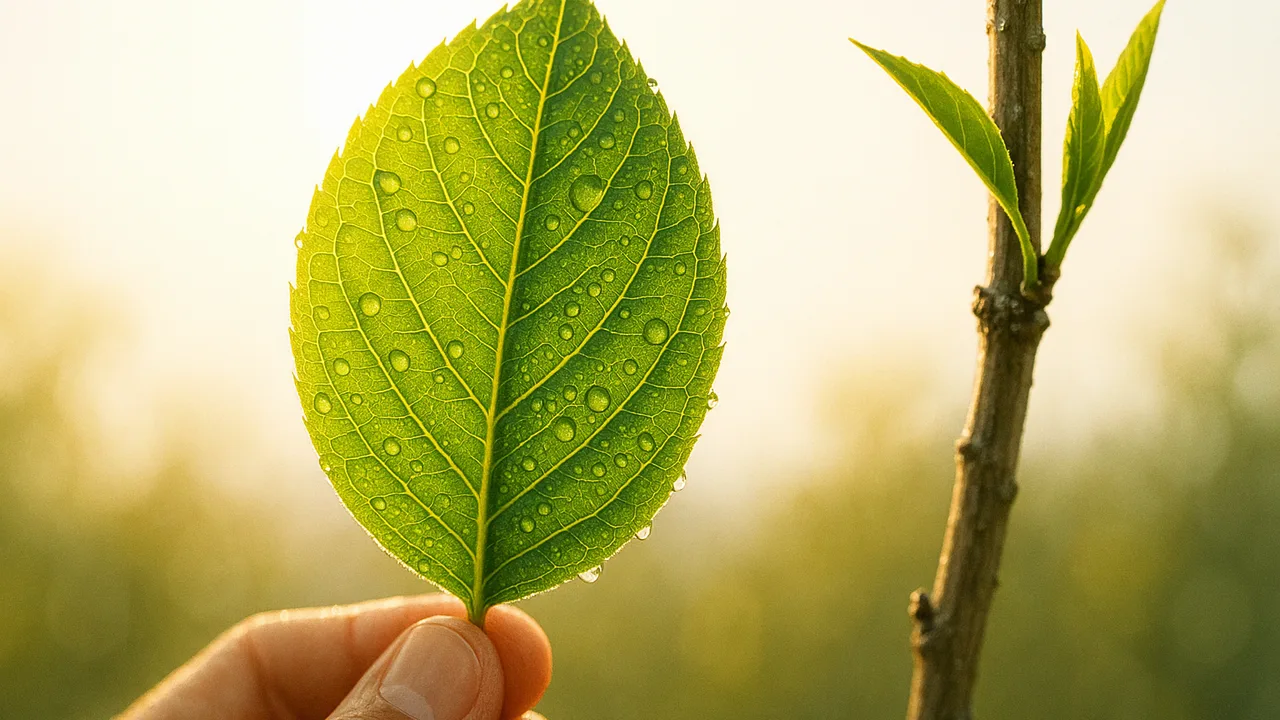
write and revise an evidence-based explanation of how the atoms in sugar become a tree’s large molecules and how energy drives the flow of matter, then brainstorm carbon solutions for the park.
- I can use reasoning to connect evidence and explain that the atoms in sugar molecules can provide most of the atoms in amino acids and other complex carbon-based molecules.
- I can explain that energy released in respiration can drive chemical reactions between sugars and other substances, producing amino acids and other complex carbon-based molecules.
- I can describe how the rearrangement of atoms in sugar molecules during cellular processes provides the matter and energy needed for cell functions.
- I can revise or expand my explanation about how atoms in sugar molecules relate to atoms in large carbon-based molecules when I am given new evidence or context, and I can justify my revision.
- I can use reasoning to connect evidence and explain that energy enters cells through photosynthesis or by taking in food.
- I can explain that all cells perform cellular respiration and produce its products.
- I can describe how the flow of matter into and out of cells is driven by energy captured from photosynthesis or food and released by respiration, whether respiration is aerobic or anaerobic.
Phase 3: Make Sense
Warm-Up ~5 min
Do Now. A deer eats leaves. Trace one carbon atom from the air, into the leaf, into the deer, and back to the air. Name each process.
A muscle protein in the deer contains carbon. Where did that carbon most recently come from before it entered a plant?
Instruction ~10 min
Pulling the unit together. We have evidence from three sources: leaf disks (light energy drives photosynthesis), yeast balloons (respiration releases CO2, with and without oxygen) and bead models plus the Mauna Loa record (atoms are conserved and carbon moves between air and life). Now we write one explanation that connects them.
The core explanation. Energy enters cells in two ways: plants capture light in photosynthesis, and consumers and decomposers take in food. Every cell then runs respiration (aerobic when oxygen is present, anaerobic when it is not) to release that energy as ATP. The atoms in sugar supply most of the carbon, hydrogen and oxygen in a tree’s amino acids, fats, cellulose and DNA, and energy released by respiration drives the reactions that build those large molecules. The flow of matter into and out of cells is driven by energy captured from light or food.
Worked example 1: a strong CER. Claim: most of the atoms in a tree’s proteins came from sugar made by photosynthesis. Evidence: our bead model built glycine from one glucose’s atoms plus one nitrogen from soil, with atoms left over; van Helmont’s soil lost only about 2 ounces while the willow gained about 164 pounds. Reasoning: atoms are conserved, so carbon, hydrogen and oxygen in proteins must come from an input; sugar from photosynthesis supplies them, and only nitrogen (and small amounts of sulfur) must come from the soil.
Worked example 2: revising with new evidence. Mei first wrote, “Plants get energy from photosynthesis, animals get it from respiration.” New evidence: the dark cup in 2.03 and the respiration equation show plant cells respire too. She revised: “Plants capture energy by photosynthesis and, like every cell, release it by respiration.” Then a classmate shared that waterlogged soils store peat because decomposition there is anaerobic and slow, and she added: “Where oxygen is missing, respiration is anaerobic and slower, so carbon stays stored longer.” Each revision names the new evidence and what changed.
Sources matter. Strong explanations cite valid, reliable sources: your own lab data, textbook chapters, NOAA records and peer-reviewed research, not opinion posts.
Ideate. The park creates green waste every year and plans new plantings. Brainstorm ways to keep more of its carbon out of the air, grounded in what we now know: slow decomposition, add photosynthesis, avoid burning.
| Idea | Process it changes | Aerobic or anaerobic? | Possible downside |
|---|---|---|---|
Guided Exercises ~15 min
Draft, swap, revise.
Independent Practice ~10 min
Revise and ideate.
Swap CERs with a partner. Revise yours using one new piece of evidence from their draft or from the readings, and add a sentence that justifies the change.
Ideate: list at least four ways the park could keep more carbon out of the air. Star two to develop, and explain the science behind each.
Closure ~5 min
Revisit the Wonder Board. Next phase, we design the park’s carbon plan.
Exit ticket: explain in two sentences how energy drives the flow of matter into and out of a tree's cells.
Teacher notes
Materials: students’ lab data from 2.03–2.05, CER organizers, chart paper for ideation, the Wonder Board.
Listen for: “energy turns into matter”; CERs with no numbers; revisions that do not say what evidence prompted them.
Support / stretch: give CER sentence starters (“Our data show ___. This supports the claim because ___.”). Stretch: add a paragraph on what happens to a carbon atom in a fatty acid when the tree respires it at night.