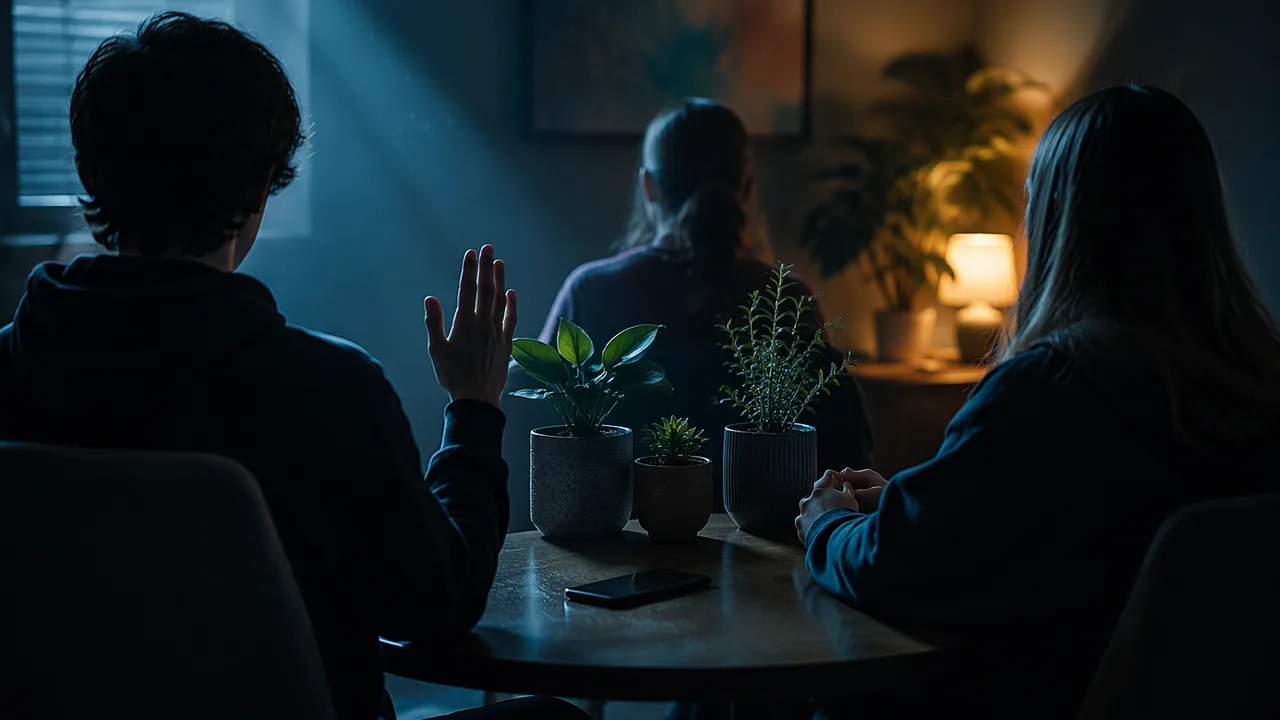
describe the physical, social and emotional changes of adolescence and the range of normal differences, tell healthy, unhealthy and abusive relationship behaviors apart, and practice conflict management and refusal skills.
Instruction
Parent/guardian notice for Unit 4 (please read this with your family). Unit 4 is Royal Legacy Prep’s human sexuality and sexually transmitted infection (STI) instruction. RLP follows the model Missouri sets for public schools in RSMo 170.015. What the unit covers: Lesson 4.1, growing up, identity terms, healthy relationships, conflict management and refusal skills; 4.2, how pregnancy occurs, abstinence as the preferred choice, the success and failure rates, side effects and benefits of every form of contraception, STIs including HIV/AIDS, HPV and hepatitis, the consequences of teen pregnancy, adoption, and parents’ financial responsibility for their children; 4.3, consent, sexual harassment and sexual violence as Missouri law defines them, Missouri’s statutory rape law, online predators and safe internet use, the personal and legal consequences of inappropriate texting, and trafficking awareness; 4.4, judging health information, Missouri’s law on minors’ consent to care, and respect for people living with HIV; 4.5, a peer health resource project. Every lesson is age-appropriate, medically and factually accurate (CDC, FDA, NIH, Missouri DHSS and Missouri statutes), and free of graphic content, and no student is ever asked about their own sexual activity, identity or relationships. No material in this unit comes from a provider of abortion services. Review: parents and guardians may review every lesson page, reading and assignment in this unit at any time; all of them are open in the course, and the RLP student-support contact can send copies. Excusal: a parent or guardian may excuse the student from any part, or all, of Unit 4 by telling the RLP student-support contact in writing. An excused student completes the alternative activity at the end of each lesson, using the Alternative Activity readings (boundaries scenarios and community health facts), and the Community Health Resource Project in Lesson 4.5: same length, same rubric, equal credit, no penalty. RLP does not refer students for contraceptive services; questions about personal health care go to a parent or guardian and the student’s own doctor.
Adolescence is a period of change on many fronts. Physically, puberty brings growth spurts and changes driven by hormones; it starts and ends at different ages for different people, and early or late timing is usually normal. Emotionally, feelings can be more intense and identity becomes a central question: who am I, and what do I value? Socially, friendships and peer opinions matter more, and some young people have crushes or begin dating while many do not, which is also completely normal.
Identity: the words, accurately. CDC’s terminology page (updated November 29, 2024) uses these terms. Sex is a person’s biological status, assigned at birth and associated with physical attributes such as anatomy and chromosomes. Gender identity is a person’s inner sense of their own gender, and it is not the same as sexual orientation. Gender expression is the way a person shows gender to others through appearance and mannerisms. Sexual orientation refers to a person’s sexual and emotional attraction to other people. People differ in these ways, and every student deserves respect and safety; you are never asked to share your own identity in this course.
Influences. Media, peers, family, faith and culture all shape how people think about bodies, relationships and choices. Media often show relationships where jealousy is romantic, constant contact is love and sex is expected early. A health skill is to notice those messages and ask whether they describe a healthy relationship and your own values.
The relationship spectrum. Think of relationships (friendships, family and dating) on a spectrum. Healthy relationships have respect, trust, honesty, good communication, and space for each person’s friends, activities and boundaries. Unhealthy relationships show warning signs: pressure, jealousy, checking the other person’s phone, not respecting “no,” or one person making all the decisions. Abusive relationships involve a pattern of control through fear: threats, isolating someone from friends and family, monitoring their location or messages, humiliation, or physical or sexual violence. Digital abuse, such as demanding passwords, texting constantly to track someone or sharing private images, is abuse too. CDC reports that in the 2021 YRBS, among high school students who dated, about 1 in 12 experienced physical and about 1 in 10 sexual dating violence.
Conflict management and personal responsibility. Disagreement is normal; how it is handled is what matters. Use an I-statement (“I feel left out when plans change without me”), listen without interrupting, take a break if voices rise, and look for a fair solution. You have the power to control your own behavior: base choices on reasoning, self-discipline and respect for yourself and others. Positive self-esteem means knowing your worth does not depend on a partner’s approval. Never make unwanted physical or verbal sexual advances, and never pressure or exploit anyone.
Refusal skills. To resist an unwanted advance or negative peer pressure: say no clearly, repeat it if needed, give a reason only if you want to, suggest something else, and leave. Rehearse a short script aloud, alone, recorded, or with a family member if you choose; practice makes the words come easily. Choosing abstinence, the course’s preferred choice for teens (Lesson 4.2), is easier with these skills, and it also avoids possible emotional consequences of early sexual activity such as worry, regret, damaged trust or feeling pressured.
A worked example. Fictional case: Jordan’s partner texts forty times when Jordan goes out with friends, says “if you loved me you’d stay home,” and asks for Jordan’s passwords “to prove you have nothing to hide.” Together these form a pattern of monitoring and isolation, which places the relationship at the unhealthy end, moving toward abusive.
Getting help. Talk to a parent or guardian, your doctor, a trusted adult, or the RLP student-support contact. love is respect offers free, confidential support for young people: call 1-866-331-9474 or text LOVEIS to 22522. If an adult is harming a young person, the Missouri Child Abuse and Neglect Hotline is 1-800-392-3738, 24 hours a day. In immediate danger, call 911.
Alternative activity (equal credit, for excused students). Using the community-health facts reading, compare four types of germs (bacteria, viruses, fungi and parasites) with one communicable disease caused by each, its symptoms, and how it is prevented. Then, using the boundaries-scenarios reading, place three fictional friendships on the healthy-to-unhealthy spectrum and name the conflict-management or refusal skill each person could use.
📖 Read for this lesson
The reading opens over the lesson; close it to come back to exactly where you were. The checks below draw on it.
Formative check
Work through these before moving on. They are not graded — they tell you whether the standard below has landed yet.
Which behavior is a warning sign of an unhealthy relationship?
Starting puberty earlier or later than friends is usually a normal individual difference.
love is respect offers confidential support: text to 22522.
Place three fictional relationships on the healthy-unhealthy-abusive spectrum and justify each from specific behaviors: (a) Priya and Sam, who argue about plans but agree to alternate choosing; (b) Jordan’s relationship from the lesson; (c) a partner who threatens to share private photos if the other person leaves. For (a), name the conflict-management skill they used; for (b), name one media message that could make the behavior seem romantic and write a two-line refusal script Jordan could rehearse. (Excused students: place the three friendships in the boundaries-scenarios reading instead.)
How confident are you that you can tell healthy, unhealthy and abusive relationship behaviors apart, use conflict-management and refusal skills, and know where to get help?
Relationship Spectrum Case File: The Three Relationships in Detail, the Criteria From CDC and Missouri’s Model, Conflict and Refusal Skills, Worked Placements and Where to Get Help
SLS original fictional cases, criteria, scripts and worked placements. CDC, About Teen Dating Violence (updated January 14, 2025; YRBS 2021); NICHD, Puberty (last reviewed June 21, 2021); CDC, Terminology (Adolescent and School Health, updated November 29, 2024); RSMo 170.015 (effective August 28, 2018) and 573.110 (effective August 28, 2026), revisor.mo.gov; love is respect (loveisrespect.org); The Trevor Project (thetrevorproject.org/get-help); Missouri Department of Social Services, Child Abuse and Neglect Hotline (dss.mo.gov). All retrieved 2026-11-06. No one is asked to share their own identity, relationships or experiences. · SLS original; facts and statute text from U.S. and Missouri public sources
Why this reading. The lesson asks you to place three fictional relationships on the healthy, unhealthy and abusive spectrum, and to name a media message. Here are the three relationships in detail, the criteria you place them by (from CDC and the lesson), a worked placement of a different case, the words used in this lesson, and the help lines. Every person here is SLS original and fictional. This reading describes no sexual activity, and you are never asked about your own life.
1. Where this lesson sits in Missouri’s model
RLP follows RSMo 170.015, the Missouri law for public-school human sexuality instruction. Among other things it requires instruction to be medically and factually accurate and age-appropriate, and to “teach skills of conflict management, personal responsibility and positive self-esteem through discussion and role-playing”, to encourage students to base their actions on “reasoning, self-discipline, sense of responsibility, self-control, and ethical considerations, such as respect for one’s self and others”, to teach students not to make unwanted physical and verbal sexual advances or exploit another person, and to teach them to resist unwanted sexual advances and other negative peer pressure (RSMo 170.015.1(5), as in effect since August 28, 2018, revisor.mo.gov, retrieved 2026-11-06). Parents and guardians may review this reading and may excuse a student from any part of Unit 4 (see the notice in Lesson 4.1).
2. Growing and changing
Puberty starts at different ages. NIH’s NICHD says the physical changes of puberty typically begin between ages 8 and 13 in girls and 9 and 14 in boys (page last reviewed June 21, 2021); starting a little earlier or later than friends is common, and a health care provider can check if there is a concern. Feelings can be more intense, friendships and peer opinions matter more, and many people have crushes or start dating while many do not. Both are normal.
3. The words (CDC terminology page, updated November 29, 2024, in brief)
Sex: a person’s biological status as male, female or something else; CDC says it is assigned at birth and associated with physical attributes such as anatomy and chromosomes. Gender identity: a person’s inner sense of being a boy or man, a girl or woman, another gender, or no gender. Gender expression: the way a person publicly expresses their gender to others through appearance and mannerisms. Sexual orientation: a person’s sexual and emotional attraction to other people (for example lesbian, gay, bisexual, straight). Gender identity is not the same as sexual orientation. Transgender describes a person whose gender identity differs from the sex assigned at birth; cisgender describes a person whose identity is the same. People differ in these ways; every student deserves respect and safety, and you are never asked to share your own.
4. The spectrum, and what CDC says
CDC defines teen dating violence as a type of intimate partner violence that includes physical violence; sexual violence, including non-physical behaviors such as sharing intimate images without permission; psychological aggression (“verbal and non-verbal communication with the intent to harm a partner mentally or emotionally”); and stalking, “a pattern of repeated, unwanted attention and contact” causing fear. In the 2021 Youth Risk Behavior Survey, among students who dated, about 1 in 12 experienced physical dating violence and about 1 in 10 experienced sexual dating violence, with higher rates among female and LGBTQ+ students (CDC, January 14, 2025). CDC’s prevention focus is teaching relationship skills to 11-14 year-olds: communication, managing emotions and recognizing unhealthy relationships.
| Level | What it looks like (lesson criteria) |
|---|---|
| Healthy | Respect, trust, honesty, communication; room for each person’s friends, activities and boundaries; disagreements are talked through |
| Unhealthy | Warning signs: pressure, jealousy, checking the other person’s phone, not respecting “no,” one person making all the decisions |
| Abusive | A pattern of control through fear: threats, isolating someone from friends and family, monitoring location or messages, humiliation, or physical or sexual violence; includes digital abuse such as demanding passwords or sharing private images |
Rule: look for a pattern, not one argument, and ask two questions: Can each person say no and be respected? and Does one person control the other’s choices, contacts or safety?
5. The three relationships (SLS original, fictional)
- Priya and Sam (both 15) argue about weekend plans. Priya wants to see a movie with her cousins, and Sam wants to go to a game. They disagree loudly once, then agree to alternate weekends. Each spends time with their own friends and tells the other where they will be, out of habit, not obligation. Sam once felt jealous when Priya was texting a friend, said so, and Priya explained.
- Jordan and the partner (Jordan is 16). When Jordan goes out with friends, the partner texts forty times, says “if you loved me you’d stay home,” and asks for Jordan’s passwords “to prove you have nothing to hide.” Jordan has stopped seeing two friends to avoid arguments.
- Riley and Casey (both 16). Casey says that if Riley ends the relationship, Casey will share a private photo Riley once sent. Riley has said this happened before, and Riley feels afraid to leave.
5b. Conflict management, refusal and role-play (SLS original)
Conflict management: use an I-statement, listen without interrupting, take a break if voices rise, and look for a fair solution. Priya and Sam model it: they disagreed, then agreed to alternate weekends. Personal responsibility and self-esteem: you control your own behavior; your worth does not depend on a partner’s approval. Refusal skills: say no clearly, repeat it, give a reason only if you want to, suggest something else, and leave. Role-play at home: write a two-line script and say it aloud three times, alone, recorded or with a family member if you choose. Model script for Jordan: “I’m going out with my friends tonight, and I’m not sharing my passwords. If that’s a problem, we need to talk about it tomorrow.”
Why the course prefers abstinence for teens. Following RSMo 170.015, this course presents abstinence as the preferred choice for unmarried students: it is the only method that is 100 percent effective at preventing pregnancy and STIs, and it avoids possible emotional consequences of early sexual activity, such as worry, regret, broken trust or feeling pressured. Refusal skills make that choice easier to keep (Lesson 4.2 reading has the data).
6. A worked placement of a different case (SLS original)
Mina and Lee are friends. Lee says Mina has to sit with him at lunch every day and gets angry when Mina eats with others, then apologizes and buys her a snack. Behaviors: demands about where she sits, anger at other friends, apology followed by the same pattern. Placement: unhealthy, at the start of controlling behavior; not yet abusive from what we are told, but the pattern of restricting her friendships matters. Fitting response: Mina states her boundary (“I want to sit with other friends sometimes”), watches whether Lee respects it, and talks to a parent or guardian or another trusted adult if he does not. Media message that could make it seem romantic: shows and songs that treat jealousy and constant contact as proof of love. Use the same three moves for Priya and Sam, Jordan, and Riley and Casey: quote the behaviors, place the relationship, name a fitting response.
Placement notes to check yourself: Priya and Sam show disagreement handled with respect: healthy. Jordan’s partner shows monitoring, demands for passwords and isolation from friends: a pattern that places the relationship at the unhealthy end and moving toward abusive. Riley and Casey: a threat to share a private image to keep someone from leaving is coercion and a form of digital abuse, so abusive; Riley is not at fault, and should tell a parent, guardian or other trusted adult; in Missouri, sharing a private sexual image to coerce someone is a felony (RSMo 573.110), and the image can be reported (Lesson 4.3 reading).
7. Getting help (verified 2026-11-06)
- love is respect (National Domestic Violence Hotline): call 1-866-331-9474 or text LOVEIS to 22522; free and confidential.
- Missouri Child Abuse and Neglect Hotline: 1-800-392-3738, 24 hours a day, 7 days a week (Relay Missouri 1-800-735-2966 text); anyone can report suspected abuse of a child.
- The Trevor Project, crisis support for LGBTQ+ young people, 24/7: call 1-866-488-7386 (TTY 1-866-803-3699) or text START to 678-678.
- 988 Suicide & Crisis Lifeline: call or text 988. 911 for immediate danger.
- A parent or guardian, your doctor, a trusted adult, or the RLP student-support contact.
Sources: RSMo 170.015 (revisor.mo.gov); CDC, About Teen Dating Violence (cdc.gov); CDC, Terminology (cdc.gov); RSMo 573.110 (revisor.mo.gov); love is respect (loveisrespect.org); The Trevor Project, Get Help (thetrevorproject.org); Missouri Child Abuse and Neglect Hotline (dss.mo.gov); NICHD, Puberty: Condition Information (nichd.nih.gov)
Alternative Activity Scenarios: Boundaries in Friendships, Teams and Part-Time Jobs, With a Model Analysis
SLS original fictional scenarios, all invented; RSMo 170.015 (effective August 28, 2018), 573.023 and 573.037 (effective August 28, 2026), revisor.mo.gov, retrieved 2026-11-06. Help lines from the Lesson 4.1 and 4.3 readings (love is respect; Missouri Child Abuse and Neglect Hotline; 988; 911). · SLS original; statute text from Missouri public sources
Why this reading. The alternative activities (equal credit) ask you to analyze three fictional friendships on the healthy-to-unhealthy spectrum (Lesson 4.1), and three fictional scenarios about boundaries in friendships, teams and part-time jobs, including workplace harassment (Lesson 4.3). Here are the scenarios, the rules to use and a model analysis. Every person here is SLS original and fictional.
1. The rules to use
Spectrum (Lesson 4.1): healthy relationships have respect, trust, honesty, communication and room for each person’s friends and boundaries; unhealthy ones show pressure, jealousy, checking phones, not respecting “no,” or one person making all decisions; abusive ones show a pattern of control through fear, such as threats, isolating someone or monitoring them. Boundaries: say what you want and do not want, ask rather than assume, treat hesitation as a no, and accept a no without pressure. Conflict management: I-statements, listening, a break when voices rise, a fair solution. Harassment (RSMo 170.015.1(9)(b)): “uninvited and unwelcome verbal or physical behavior of a sexual nature especially by a person in authority toward a subordinate.” The words “person in authority” fit a coach, a team captain or a work supervisor.
2. Three friendships (Lesson 4.1 alternative)
- Ana and Bo have been friends since third grade. They disagree about which club to join. Ana joins drama and Bo joins robotics; they eat lunch together twice a week and text every night. Each is glad when the other has a good day.
- Kai and Dev: Dev says Kai is “not allowed” to sit with the soccer team, reads Kai’s messages, and tells others Kai is “mine.” When Kai objects, Dev says, “a real friend wouldn’t care who I read.”
- Tess and Rue used to be close. Rue posts jokes about Tess in a group chat, then says, “it’s just a joke,” and threatens to post more if Tess leaves the chat.
Placements to compare: Ana and Bo healthy (separate interests, respect, communication); Kai and Dev unhealthy, showing controlling behavior and monitoring; Tess and Rue unhealthy, moving toward abusive because of the threats and humiliation, and it is a form of digital abuse. Kai can use an I-statement and a clear refusal (“I sit where I want, and my messages are private”); Tess can leave the chat, save the posts and tell a parent or guardian. Both can use a help line.
3. Three boundary scenarios (Lesson 4.3 alternative)
- Friendship. Jo asks Mia to send a photo “just for me” and says, “everyone does it; you would if you trusted me.” Say: “No, I’m not comfortable with that.” Report to: a parent or guardian if Jo keeps pressing; Mia does not owe a reason. In Missouri, creating or sharing sexual images of anyone under 18 is a felony (RSMo 573.023, 573.037), so the request itself is a red flag.
- Team. The captain of a community track club keeps making sexual comments about a younger runner’s body. Other athletes laugh. Say (the runner): “Stop. That’s not OK.” Bystander: direct (“Not funny”), distract, or delegate (tell the coach or a parent). Report to: the coach or club director and a parent or guardian. Uninvited, unwelcome sexual comments from a person with authority on the team fit the harassment definition above.
- Part-time job (workplace harassment). At a grocery store, a shift supervisor keeps touching Deb, 16, on the shoulder after she asked him to stop, and hints that her shifts depend on being “nice.” Say: “Please stop touching me. I don’t want that.” Report to: a manager above the supervisor or the store’s reporting channel and a parent or guardian, and keep a written record of dates and what happened. A supervisor is a person in authority, so unwelcome touching and hints tied to her shifts fit the RSMo 170.015 definition. Retaliation for reporting is not acceptable.
4. Model analysis of scenario 3 (SLS original)
“Deb should say clearly, ‘Please stop touching me,’ and write down what happened and when. Touching after being told to stop, plus hinting that her shifts depend on being nice, matches Missouri’s definition of sexual harassment, because it is uninvited, unwelcome physical behavior of a sexual nature by a person in authority over her. She can report it to a manager above the supervisor, tell a parent or guardian and ask for help. A friend at work could delegate by going with her.”
5. Help
love is respect: 1-866-331-9474, text LOVEIS to 22522 (free, confidential). 988 for emotional distress. Missouri Child Abuse and Neglect Hotline 1-800-392-3738. 911 for immediate danger. A parent or guardian, a trusted adult, or the RLP student-support contact.
Sources: RSMo 170.015 (revisor.mo.gov); RSMo 573.037 (revisor.mo.gov); love is respect (loveisrespect.org); Missouri Child Abuse and Neglect Hotline (dss.mo.gov)
Community Health Facts for the Alternative Activities: Germs and Four Diseases, Vaccines Ages 7-18, Sun Safety, Asthma and Dental Care
CDC pages as retrieved 2026-11-06: Strep Throat (updated January 15, 2026); Flu Symptoms (August 26, 2024) and Preventing Flu (September 1, 2026); Ringworm (February 9, 2026); About Head Lice (June 4, 2024); Child and Adolescent Immunization Schedule notes (July 1, 2025); Meningococcal Vaccination for Preteens and Teens (March 30, 2026); HPV Vaccine (August 20, 2024); Reducing Risk for Skin Cancer (June 17, 2026); About Asthma and Controlling Asthma (reviewed August 28, 2026); Oral Health Tips (May 15, 2024). Comparison of two fictional asthma sources is SLS original. · Public domain (U.S. government works); comparison model SLS original
Why this reading. The alternative activities (for students excused under the Unit 4 parent notice, equal credit) ask you to compare four kinds of germs, build a vaccine table, compare sun protection, or evaluate asthma information. Here is what you need, so nothing depends on another website. Everyone may use it. It is general health information, not medical advice.
1. Four kinds of germs, one disease each
Germs that cause disease include bacteria, viruses, fungi and parasites. The table gives one example of each from CDC’s own pages; handwashing with soap and water is a prevention step in several of them.
| Type | Disease and cause | Symptoms | How it spreads | Prevention |
|---|---|---|---|---|
| Bacteria | Strep throat (group A Streptococcus) | Fever; pain when swallowing; red, swollen tonsils; white patches on the tonsils; it usually takes 2 to 5 days after exposure to become ill | Close contact with a sick person is the most common risk; crowded settings raise risk | Wash hands often; do not share cups, utensils or food with a sick person; cover coughs and sneezes; treated with antibiotics. (Only about 3 in 10 children with a sore throat have strep; most sore throats are caused by viruses.) |
| Virus | Influenza (flu viruses) | Fever or chills (not always), cough, sore throat, runny or stuffy nose, muscle or body aches, headaches, fatigue | Contagious respiratory illness | A yearly flu vaccine is “the first and most important action” (everyone 6 months and older); handwashing; covering coughs; staying home when sick. Seek care for trouble breathing, chest pain, confusion or seizures |
| Fungus | Ringworm (caused by fungi, not a worm) | Itchy, scaly, often ring-shaped rash on skin or scalp; red on light skin, gray or brown on darker skin | Skin-to-skin contact with people or animals, shared towels or sheets, surfaces such as locker room or public bathroom floors | Keep skin clean and dry; wear protective footwear in public areas; do not share towels; over-the-counter or prescription antifungal medicine; avoid steroid creams, which can worsen it |
| Parasite | Head lice (Pediculus humanus capitis), parasitic insects that feed on human blood | Itching, which may take four to six weeks to appear the first time; some people have no symptoms | Hair-to-hair contact; they crawl and cannot hop or fly; less often shared hats, combs, brushes or towels | Avoid head-to-head contact and sharing personal items; medicated treatments (over the counter or prescription). Head lice do not transmit any disease |
2. Vaccines, ages 7 to 18 (CDC schedule notes, updated July 1, 2025)
| Vaccine | Disease it prevents | Age on the schedule |
|---|---|---|
| Tdap | Tetanus, diphtheria and whooping cough (pertussis) | 1 dose at 11-12 years (adolescent booster) |
| HPV | Infections from human papillomavirus that can cause several cancers; the vaccine could prevent more than 90% of HPV-caused cancers | Recommended at 11-12 years; can start at age 9; catch-up through age 18 |
| MenACWY | Meningococcal disease | 1st dose at 11-12; 2nd dose at 16 |
| Influenza | Flu | Every year, from 6 months of age |
The schedule is revised periodically; the version above is what the CDC pages showed on 2026-11-06. Use it to build a three-vaccine table. How vaccines work, in brief: they train the immune system to recognize a germ before you meet it.
3. Sun safety and skin cancer prevention (CDC)
| Protection | What CDC says |
|---|---|
| Sunscreen | Use a broad-spectrum sunscreen with SPF 15 or higher on all exposed skin, including ears and the back of the neck |
| Shade | Stay in the shade |
| Protective clothing | Clothing that covers arms and legs; a wide-brimmed hat to shade face, head, ears and neck; wraparound sunglasses that block UVA and UVB |
| Indoor tanning | Avoid tanning beds: indoor tanning exposes users to intense UV rays, a known cause of cancer |
CDC says that if protective clothing and a wide-brimmed hat are not practical, apply plenty of sunscreen (page updated June 17, 2026). A comparison model (SLS original): Shade and clothing block UV before it reaches the skin and do not wear off, but they need to be in place; sunscreen covers exposed skin but has to be applied correctly and reapplied.
4. Asthma
CDC: “Asthma is a disease that affects your lungs” Symptoms include wheezing, breathlessness, chest tightness and coughing at night or early in the morning. It can be controlled with medicines and by avoiding triggers. Medicines are used as reliever therapy (quick relief) or controller therapy (“Controller medicines help you have fewer and milder asthma attacks”); if you need reliever medicine more and more, see your doctor about the plan (CDC, reviewed August 28, 2026).
Common triggers and what CDC advises: tobacco smoke (people should never smoke near someone with asthma); dust mites (allergen-proof mattress and pillow covers, weekly washing of bedding in hot water, keep indoor humidity about 30-50%); outdoor air pollution from factories, cars or smoke (check air quality forecasts); cockroaches and pests (remove food and water sources); mold (dry damp items within 24 to 48 hours, fix leaks, keep humidity under 50%); pets (keep them out of bedrooms; people with asthma are not allergic to fur itself, so trimming fur does not help); infections such as flu, colds and RSV.
Evaluating two sources (SLS original specimens). Source X: a supplement company blog says “Our herbal tonic cures asthma naturally, doctors don’t want you to know.” No author, no date, no references, sells the product. Source Y: the CDC asthma page above, by a federal agency, dated (last reviewed August 28, 2026), lists sources, does not sell anything, and says asthma can be controlled with medicines and by avoiding triggers. Answering the five questions: who (company vs. federal agency); evidence (none vs. cited); current (undated vs. dated); purpose (selling vs. informing); match with other trusted sources (contradicts CDC vs. is CDC). Source Y is trustworthy; Source X is not.
5. Dental health (CDC)
CDC’s tips (page dated May 15, 2024): brush your teeth well twice a day with fluoride toothpaste, floss between your teeth to remove plaque, drink fluoridated tap water, avoid food and drinks with added sugar, visit the dentist at least once a year, and don’t use tobacco products.
6. Verified local places for the asthma or dental version of the task
Use the model list in the Lesson 4.4 workshop reading (Lakeview County, invented) as the form: name, phone, hours, cost, languages and how privacy works, each checked and dated. For a real list, HRSA’s Find a Health Center tool (findahealthcenter.hrsa.gov) can show real clinics; record the date and what it showed.
Sources: CDC, Strep Throat (cdc.gov); CDC, Flu Symptoms (cdc.gov); CDC, Preventing Flu (cdc.gov); CDC, Ringworm (cdc.gov); CDC, About Head Lice (cdc.gov); CDC, Immunization Schedule Notes (cdc.gov); CDC, Meningococcal Vaccines for Preteens and Teens (cdc.gov); CDC, HPV Vaccine (cdc.gov); CDC, Reducing Risk for Skin Cancer (cdc.gov); CDC, About Asthma (cdc.gov); CDC, Controlling Asthma (cdc.gov); CDC, Oral Health Tips (cdc.gov)