plan and carry out a fueled, hydrated activity session, track energy, effort and thirst, recognize heat-illness warning signs, and compare the fueling demands of different sports and lifetime activities.
Instruction
Fueling and hydration are skills
Athletes plan what they eat and drink around training as carefully as the training itself. In this Activity Lab you will run a “fuel day”: plan a pre-activity meal or snack, complete a 30-40 minute activity with planned drink breaks, choose a recovery snack, and track how your energy, effort and thirst change. You will not weigh yourself or count calories; your data are timing, food groups, drinks, effort ratings and how you feel.
Before activity
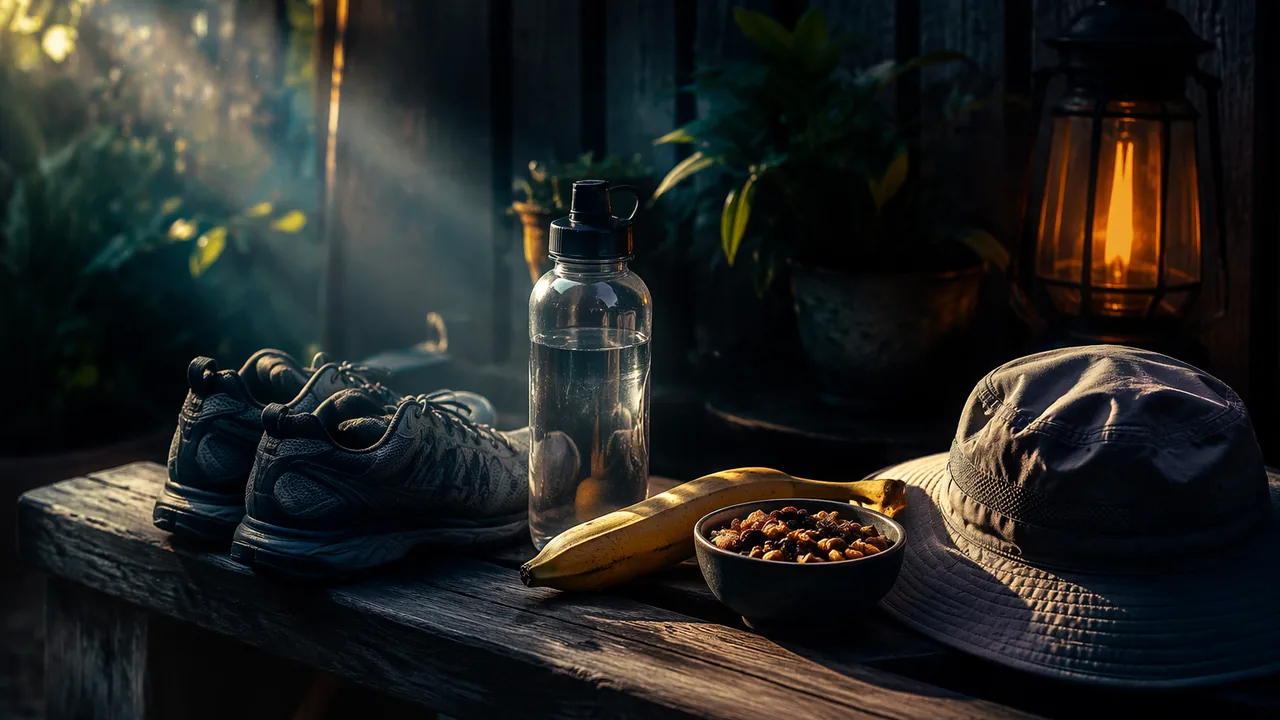
A common sports-nutrition approach is a regular meal a few hours before activity, or a smaller snack about an hour before, built mainly on carbohydrate with a little protein and not too much fat or fiber (which digest slowly and can upset the stomach during exercise). Examples: whole-grain toast with peanut butter and a banana; yogurt and fruit; a bowl of whole-grain cereal with milk. Try new foods on easy days, not before something important.
During activity: water and heat
Sweat cools you, but it also carries away water and sodium. Missouri summers are hot and humid, and heat is a real risk: the Missouri Department of Health and Senior Services (DHSS) reports that 34 Missourians died of heat-related illness in 2023 and counts 370 heat-related deaths in the state from 2010 to 2025. DHSS lists people who exercise outdoors among those at greatest risk. Its advice: take a drink break every 20 to 30 minutes regardless of your activity level; water or hydrating sports drinks are best; avoid sugary, caffeinated and alcoholic drinks; schedule outdoor activity for morning or evening; wear lightweight, light-colored, loose clothing. The 2025-2030 Dietary Guidelines add that “highly active individuals may benefit from increased sodium intake to offset sweat losses,” which is why a salty snack or a sports drink can make sense after a long, sweaty session, while water is the right everyday choice.
Know the warning signs (Missouri DHSS)
| Heat exhaustion | Heat stroke (a medical emergency) |
|---|---|
| Heavy sweating; pale, clammy skin; dizziness; headache; muscle cramps; tiredness or weakness; nausea or vomiting; fainting | Body temperature of 103°F or higher; hot, red, dry skin; fast, strong pulse; throbbing headache; confusion; loss of consciousness |
| Do: stop activity, move somewhere cool, loosen clothing, sip cool water. Get medical help if vomiting occurs, symptoms get worse or last longer than an hour. | Do: call 911 right away; move the person somewhere cool and cool them with cool cloths. Do not give the person anything to drink. |
After activity
Recovery food replaces glycogen and gives muscles protein for repair: for example, milk or yogurt with fruit, a turkey or bean wrap, or eggs and whole-grain toast, plus water. Eating a regular meal soon after training works just as well.
Comparing activities
Fueling and fluid needs depend on the activity. A 30-minute indoor strength session uses less fluid than a 40-minute brisk walk on a July afternoon; a long bike ride needs more carbohydrate than a short stretching routine. In the analysis you will compare the health and fitness demands of the activity you chose with one other sport or lifetime activity.
Food allergies, diabetes or a special diet? Follow the plan you have from your doctor and adapt the examples. You never need to share health information in this lab.
A note for everyone. If you are worried about your eating, your body image or how you feel about food or exercise, or you are worried about someone else, talk with a parent or guardian or your doctor. These concerns are common and help works. If you ever feel in crisis, call or text 988 (Suicide and Crisis Lifeline).
Activity: Fuel day: plan, hydrate, move and track
Question. How do the timing of food and planned drink breaks affect how an activity session feels, and how do fueling and fluid needs differ between activities?
Materials
- Your signed physical-activity readiness questionnaire (on file before any Activity Lab)
- A water bottle you can refill
- A pre-activity snack and a recovery snack from food at home (see the examples in the lesson)
- A timer or phone, and athletic shoes
- The fuel-day data table in this lab
- A cool, shaded or indoor space; for an outdoor walk or ride, a parent or guardian or other adult you know
- Your readiness questionnaire must be on file; if any answer was yes, do this lab only after a doctor’s clearance.
- Stop signs: stop at once and tell a parent or guardian if you feel chest pain or pressure, dizziness or faintness, unusual shortness of breath (more than normal hard breathing that does not settle when you slow down), or sharp or joint pain. Call 911 for an emergency, such as fainting or chest pain that does not go away.
- Heat: in hot or humid weather do the session indoors or in the early morning or evening; take a drink break every 20 to 30 minutes (Missouri DHSS).
- Heat illness: if you have heavy sweating with dizziness, cramps, nausea or a headache, stop, move somewhere cool and sip cool water; hot, dry skin, confusion or fainting is heat stroke — call 911 (Missouri DHSS).
- Food allergies, diabetes or a special diet: follow your doctor’s plan and choose snacks that fit it; do not try unfamiliar foods today.
- No weighing, no calorie counting and no skipping meals: this lab is about fueling, not restricting.
Procedure
- Plan (the day before): choose a 30-40 minute moderate activity (brisk walk, bike ride with an adult, step-ups, a dance or band circuit). Write down when you will eat a regular meal (2-3 hours before) or a small snack (about 1 hour before), what it is, and which food groups it contains. Plan a drink break every 20 minutes.
- Before you start: record the time you last ate, rate your energy (1-5), thirst (1-5) and how your stomach feels, and take your resting pulse for 15 seconds x 4.
- Warm up for 5 minutes, then do your activity for 30-40 minutes at RPE 5-6 (talk test: you can talk but not sing). At minutes 10, 20 and 30, record RPE, energy (1-5) and thirst (1-5), and drink at each 20-minute break; note the amount roughly (sips, half a cup, a cup).
- Cool down for 5 minutes. Within about an hour, have your recovery snack or a regular meal with water; record what you chose and its food groups.
- One to two hours later, rate your energy again and note anything you noticed (cramps, hunger, headache, feeling great).
- Add the session’s minutes and intensity to your weekly activity log, which a parent or guardian initials.
Data
| Time point | Food or drink (food groups) | RPE (0-10) | Energy (1-5) | Thirst (1-5) | Notes |
|---|---|---|---|---|---|
| Pre-activity meal or snack | — | ||||
| Start | 0 | Resting pulse: | |||
| Minute 10 | |||||
| Minute 20 (drink break) | |||||
| Minute 30 | |||||
| Recovery snack or meal | — | ||||
| 1-2 hours later | — |
Analysis
- Describe how your energy and thirst ratings changed across the session. Did the timing of your pre-activity food help or get in the way? What would you change?
- Explain which nutrients your pre-activity and recovery choices supplied and why each matters for exercise (use carbohydrate, protein and water).
- Compare the activity you did with one other sport or lifetime activity (for example, a soccer game, a 2-hour hike on a hot day, a yoga session): how do their health and fitness benefits and their fueling and fluid needs differ?
- List the heat-illness warning signs you would watch for on a July afternoon in Missouri and the action for each.
If you cannot do this activity in person: Low-impact or seated version: do the same fuel-day plan with a 30-minute seated routine (seated marching, arm circles, band rows and pulls) or a slow indoor walk at RPE 3-5. The fueling, drink breaks, ratings and analysis are the same.
Formative check
Work through these before moving on. They are not graded — they tell you whether the standard below has landed yet.
Which pre-activity snack, about an hour before a 30-minute brisk walk, best fits the lesson’s guidance?
Missouri DHSS advises taking a drink break every 20 to 30 minutes in hot weather, whatever your activity level.
During a walk on a hot afternoon, someone stops sweating, has hot, red, dry skin and seems confused. What is the right action?
Compare the activity you did in the lab with one other sport or lifetime activity. For each, describe one health benefit, one fitness benefit (which component of fitness it trains), and how its fueling and fluid needs differ. Which would fit better in your long-term plan, and why?
How confident are you that you can plan fuel and fluids for an activity, spot heat-illness signs and compare the demands of different activities?
Practice
Work these on paper or in your notebook, then open Check your answer. Aim for all of Fluency and Application; try at least one Challenge.
Printable version: this unit’s practice workbook (PDF)
Fluency
Build speed and accuracy with the core skill.
- Describe the two pre-activity timing options from the lesson and what the food should mainly contain.
Check your answer
Answer: A regular meal a few hours (2-3 hours) before activity, or a smaller snack about an hour before. It should be built mainly on carbohydrate with a little protein and not too much fat or fiber.Fat and fiber digest slowly and can upset the stomach during exercise. - List four pieces of Missouri DHSS heat advice for people who exercise outdoors.
Check your answer
Answer: Any four: take a drink break every 20 to 30 minutes regardless of activity level; drink water or hydrating sports drinks; avoid sugary, caffeinated and alcoholic drinks; schedule outdoor activity for morning or evening; wear lightweight, light-colored, loose clothing.DHSS lists people who exercise outdoors among those at greatest risk. - What do recovery foods replace and supply? Give two example recovery snacks from the lesson.
Check your answer
Answer: They replace glycogen and give muscles protein for repair. Examples (any two): milk or yogurt with fruit; a turkey or bean wrap; eggs and whole-grain toast; plus water. A regular meal soon after training also works.Carbohydrate refills glycogen; protein repairs muscle.
Application
Use the skill in context. Show your reasoning.
- An example student plans a 90-minute hike. Using the DHSS rule of a drink break every 20 to 30 minutes, what is the fewest and the most number of breaks she should plan during the hike?
Check your answer
Answer: At least 3 breaks (every 30 minutes) and up to 4 breaks (every 20 minutes).90 ÷ 30 = 3 breaks. 90 ÷ 20 = 4.5, so 4 breaks fall within the hike (at 20, 40, 60 and 80 minutes). - Missouri DHSS reports 34 heat-related deaths in 2023 and 370 from 2010 to 2025. About what percentage of the 2010-2025 total occurred in 2023? Round to the nearest tenth.
Check your answer
Answer: About 9.2%.34 ÷ 370 = 0.0919 ≈ 9.2%. - Compare the fluid and fuel needs of a 30-minute indoor strength session and a 40-minute brisk walk on a July afternoon. Which needs more fluid, and why?
Check your answer
Answer: The July walk needs more fluid: it is longer, in heat and humidity, so more sweat (water and sodium) is lost. The indoor strength session uses less fluid. (A long bike ride would need more carbohydrate than a short stretching routine.)Fueling and fluid needs depend on the activity. - The 2025-2030 Dietary Guidelines say highly active people may benefit from more sodium to offset sweat losses. When does a salty snack or sports drink make sense, and what is the right everyday drink?
Check your answer
Answer: After a long, sweaty session; water is the right everyday choice.Sweat carries away water and sodium; sodas, fruit drinks and energy drinks are on the avoid list.
Challenge
Stretch problems. Expect to think before you write.
- During a summer walk an example friend has heavy sweating, cramps and nausea; twenty minutes later he is confused and his skin is hot and red. Describe the correct action at each stage.
Check your answer
Answer: First stage (heat exhaustion): stop activity, move somewhere cool, loosen clothing and sip cool water; get medical help if vomiting occurs or symptoms worsen or last more than an hour. Second stage (heat stroke, a medical emergency): call 911 right away, move him somewhere cool and cool him with cool cloths; do not give him anything to drink.Confusion and hot, red skin mark the change from exhaustion to stroke.
Review
Keep earlier skills sharp.
- Review (Lesson 2.3): in the fuel-day lab the session is done at RPE 5-6. What intensity is that, and what does the talk test show?
Check your answer
Answer: Moderate intensity; you can talk but not sing.Vigorous begins at about RPE 7 or 8.