
AI is reshaping the world of work, creating both uncertainty and opportunity. Navigating this landscape requires adaptability and a willingness to see your core skills in new ways.
According to recent reports, roles requiring AI skills are among the fastest-growing job categories worldwide—demand for AI-related abilities has tripled in the last five years.
Adapting to new realities
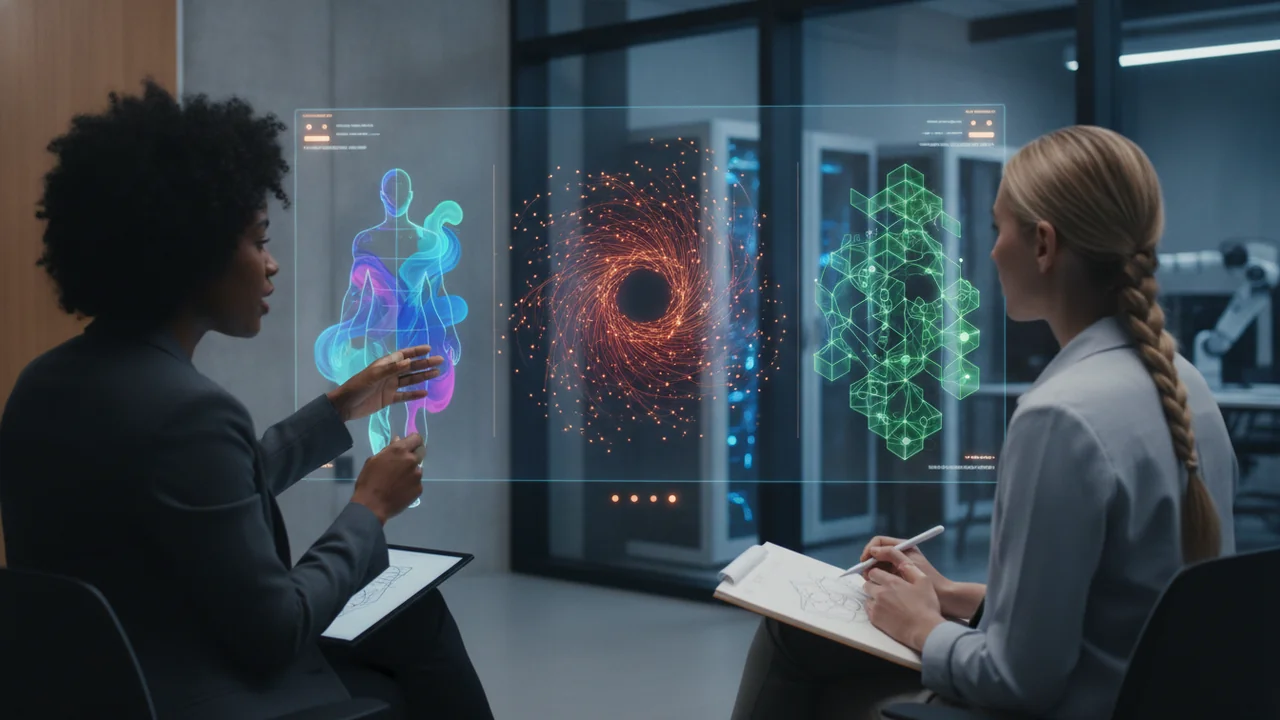
AI tools are bringing new and incredible capabilities to a variety of professions. These capabilities include boosting productivity and assisting with creativity. Tasks that may have taken hours before can now be done in seconds. As more and more professionals adopt AI into their daily workflow, this impact is becoming more profound.
One profession, in particular, that has seen early and significant change is writing. Take, for example, copywriters. These professionals write copy for things like ads, blog content, and marketing emails. AI can help them outline early drafts of posts, find better words, and tailor a message for a specific audience. It can also critique the copywriter’s work, so that they get feedback on the fly.
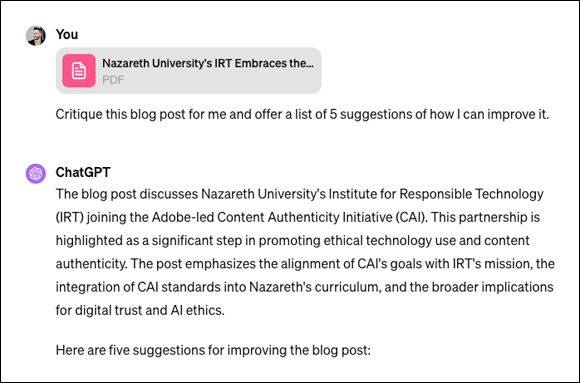

This shift in focus is crucial. It’s about guiding AI to produce refined content and showcasing the copywriter’s irreplaceable human insight with storytelling and audience understanding.
In other jobs, people are finding that AI can help them do their work in new ways. For example, in sales, AI can analyze customer data to help salespeople understand what their customers want.

To adapt to these new career realities, start by learning about the AI tools and training in your field. Also, be open to new ways of doing your job. AI may change some parts of your work, but it also opens up new possibilities. Think of AI as something that adds to your skills, not something that takes away from them. By learning to work with AI, you can make your job more interesting and do things you couldn’t do before. It’s about growing with the changes and using them to your advantage.
What aspects of your current or future profession could AI help you improve, and which parts will still require your unique human touch?
Shifting professional landscapes
The way in which individual roles are adapting to AI is part of a larger trend. It’s not just about one job; it’s about how AI is reshaping the whole world of work. Different industries are seeing traditional roles evolve. One great example is graphic designers transitioning into AI-aided user experience (UX)/user interface (UI) design, showing how AI tools can be a big help with their workflow.
Graphic designers, who are known for their artistic skills, are finding exciting new roles in UX/UI design, thanks to AI. These AI tools help them with automatic layout setups and color choices and even offer user experience ideas based on what people like and want. This means designers can spend more time on the creative parts of their job while AI handles the repetitive or data-focused tasks.
In marketing, AI is being used to figure out the best customers to target and to make smarter campaign plans. Marketers are now relying on AI for insights into customer behavior, which helps them create more effective marketing strategies.
Integrating AI into your work doesn’t mean you’re losing your job to a machine. Instead, it’s about making your job easier and more efficient. AI acts like a tool that helps you focus on the parts of your job that really need your human skills and creativity.
Overall, moving from traditional roles to new AI-enhanced jobs will become the norm. It’s an opportunity for people to grow in their careers and find new ways to work.
How could AI transform the main tasks in your field, and what new opportunities could this create for you?
Steering clear of pitfalls
Moving to a new job where AI is integrated into almost everything can be challenging. It’s important to know how to step into this new AI-powered role and hit the ground running. Here are some ideas to make job changes smoother, whether you have experience or you’re just starting:
- Know the technology. Understand how you’ll use AI in the job you want. This isn’t just about the tech stuff; it’s also about how AI changes the way you do the work. For example, in marketing, AI can sort through data, but you need people to make sense of it and plan what to do next.
- Be flexible. Being able to change and keep learning is important. Jobs with AI are changing rapidly, so be flexible and ready to learn new things.
- Make connections. Networking is key. Making connections with people in the field you want to work in can give you help, advice, and maybe even job leads. It’s good to talk to others who have already made the career changes you want to make.
- Be patient and realistic. Changing jobs, especially to ones with AI, doesn’t happen overnight. You may have to start at a lower level or take a sidestep to get where you want to be.
- Keep your skills sharp. Don’t forget about skills like creativity and other soft skills. As AI does more of the technical work, these skills become even more important.
- Ask for help. It’s okay to ask for advice. Career advisors, mentors, or courses can give you the advice and direction you need.
Practitioners emphasize that upskilling and continuous learning are crucial for staying competitive as AI changes job requirements—soft skills like adaptability and communication remain highly valued.
Which of the listed strategies do you think will be most challenging for you—and how might you overcome that challenge?
Want to go deeper? The science behind upskilling for AI
Research shows that workers who proactively learn about AI tools in their field report higher job satisfaction and lower anxiety about job security. This is partly because active learners gain control over how technology shapes their work, rather than feeling swept along by change. Even a small commitment to regular upskilling can make a big difference in adaptability and long-term career growth.
Identify how your existing skills might transfer to emerging AI-driven roles.
- Make a list of the core skills you use most often in your current (or desired) job.
- For each skill, brainstorm at least one way it could be valuable in an AI-augmented version of your role.
- Choose one skill and research an AI tool that could enhance or transform how you use it.
Adopting AI tools means that human roles will become obsolete or less valued.
AI is reshaping jobs, not erasing them—by handling routine tasks, AI lets professionals focus on creative, strategic, and human-centered aspects of their work.
Abilities and knowledge you can apply in different roles and industries, especially valuable when adapting to AI-driven changes in the workplace.
The process of learning new skills or improving existing ones to remain competitive and effective as technology evolves.
Successfully navigating career transitions in an AI-powered world means focusing on adaptability, lifelong learning, and leveraging your uniquely human strengths.
What are transferable skills?
Tap to revealSkills and knowledge that can be applied to different jobs or industries, especially valuable when adapting to new technologies like AI.
How can AI support copywriters?
Tap to revealAI can help outline drafts, find better wording, tailor messages for audiences, and provide instant feedback on writing.
Why are soft skills important in an AI-enhanced workplace?
Tap to revealAs AI takes over routine tasks, creativity, communication, and adaptability become essential for human workers to add value.
Reflect on a time when you had to learn a new tool or adapt to a changing work environment. What strategies did you use, and how might you apply them to future AI-driven transitions?
AI is not a replacement but a powerful partner—embrace change, upskill, and let your human strengths shine in a transformed workplace.
“It’s about growing with the changes and using them to your advantage.”
- AI is changing how tasks are performed across many professions
- Adapting requires both learning about technology and nurturing human skills