How can we explore the vast, hidden world of microorganisms that surrounds us, even those we can’t see or grow in a lab?
Imagine a world teeming with life, so small it’s invisible to the naked eye. In a single spoonful of soil, a drop of pond water, or even a swab from a city surface, there are thousands of unique microbial stories waiting to be discovered. These tiny organisms shape our environment, influence our health, and hold secrets that could revolutionize medicine, agriculture, and industry.
The microbial world is incredibly diverse and impactful, yet largely unseen and unexplored through traditional methods.
Consider a familiar environment, like your backyard or a local park. What kinds of invisible life do you think might reside there?
Your Journey: What You’ll Achieve
This mini-course will equip you with the knowledge and skills to uncover these microbial secrets. By the end of this lesson, you will be able to:
- Define metagenomics in learner-friendly language.
- Explain why community sampling matters.
- Connect citizen science to real research questions.
- Preview the lab-to-data workflow learners will follow.
Which of the following best describes the primary goal of this introductory lesson?
Introducing Metagenomics: Unlocking Microbial Communities
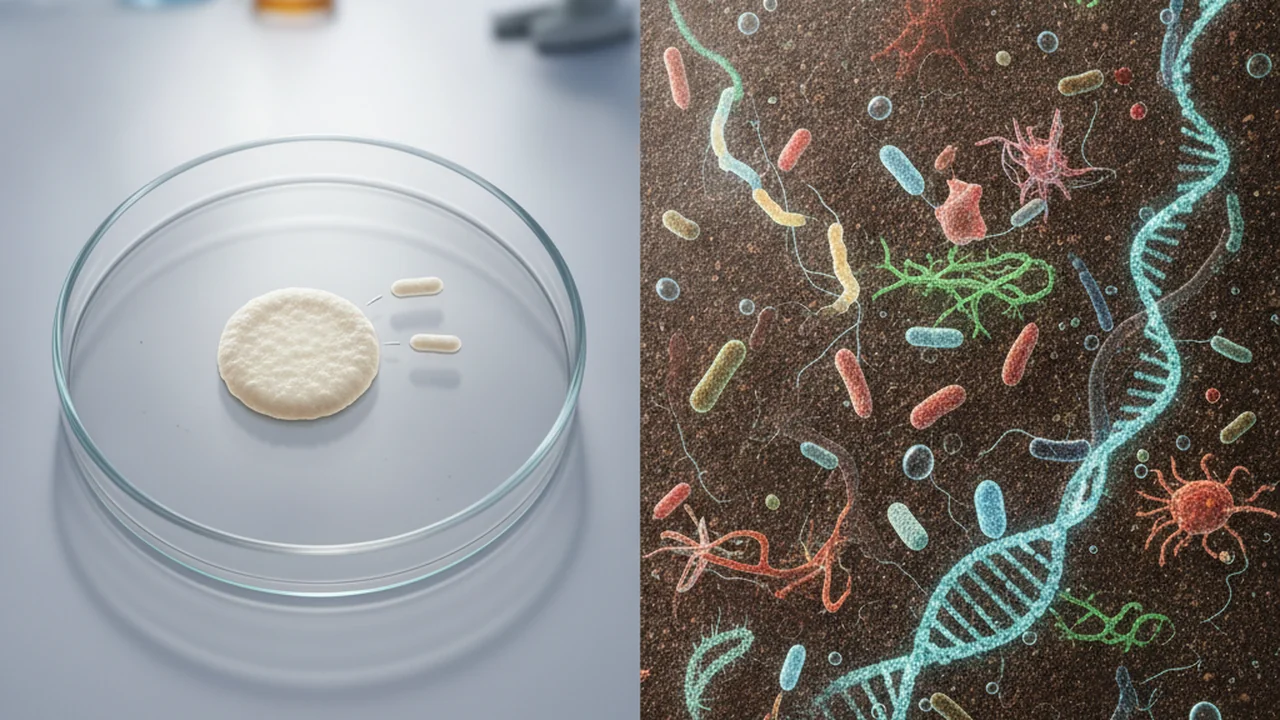
This introductory lesson establishes the conceptual framework for the program. You will be introduced to metagenomics as the study of entire communities of microorganisms through bulk environmental DNA sequencing.
The study of entire communities of microorganisms directly from their natural environments, without the need to culture individual species, primarily through sequencing their collective DNA.
It’s estimated that less than 1% of microbial species can be cultured in a laboratory setting. Metagenomics allows us to explore the other 99%!
Unlike traditional microbiology, which often focuses on isolating and studying individual microbial species in a lab, metagenomics takes a holistic approach. It allows us to analyze the genetic material of all organisms within a given environmental sample—be it soil, water, or even the human gut—providing an unprecedented view into their diversity, functions, and interactions.
To understand microbes, you must isolate and grow them in a petri dish.
Metagenomics allows us to study microbial communities directly from their environment, revealing the vast majority of species that cannot be cultured.
Citizen Science: Your Role in Discovery
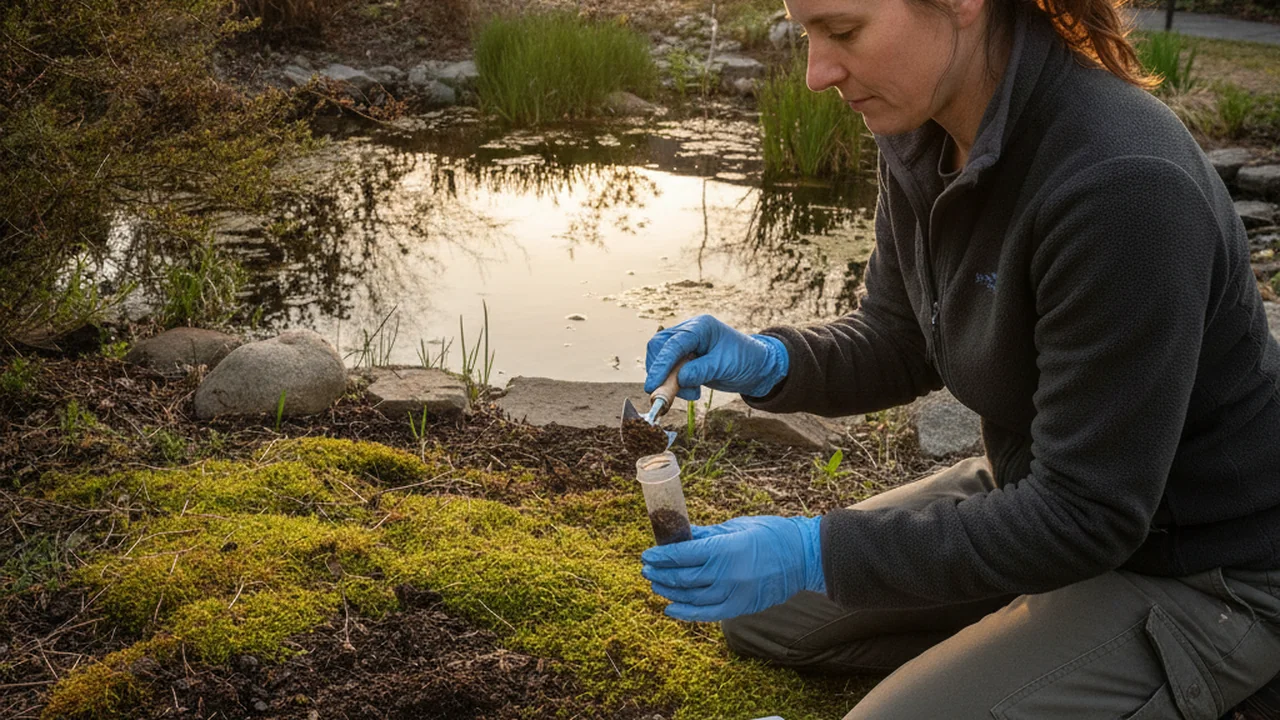
The citizen science model is central to this course: you will collect real environmental samples and contribute to genuine scientific inquiry. This means your work isn’t just an exercise; it’s a valuable contribution to understanding the invisible world around us. Your discoveries could help map microbial diversity, identify new species, or even shed light on environmental health.
- Metagenomics studies whole microbial communities, not just isolated species.
- It uses environmental DNA sequencing to explore the unculturable majority of microbes.
- You’ll engage in citizen science, contributing real data to scientific research.
The Metagenomics Workflow: From Field to Data
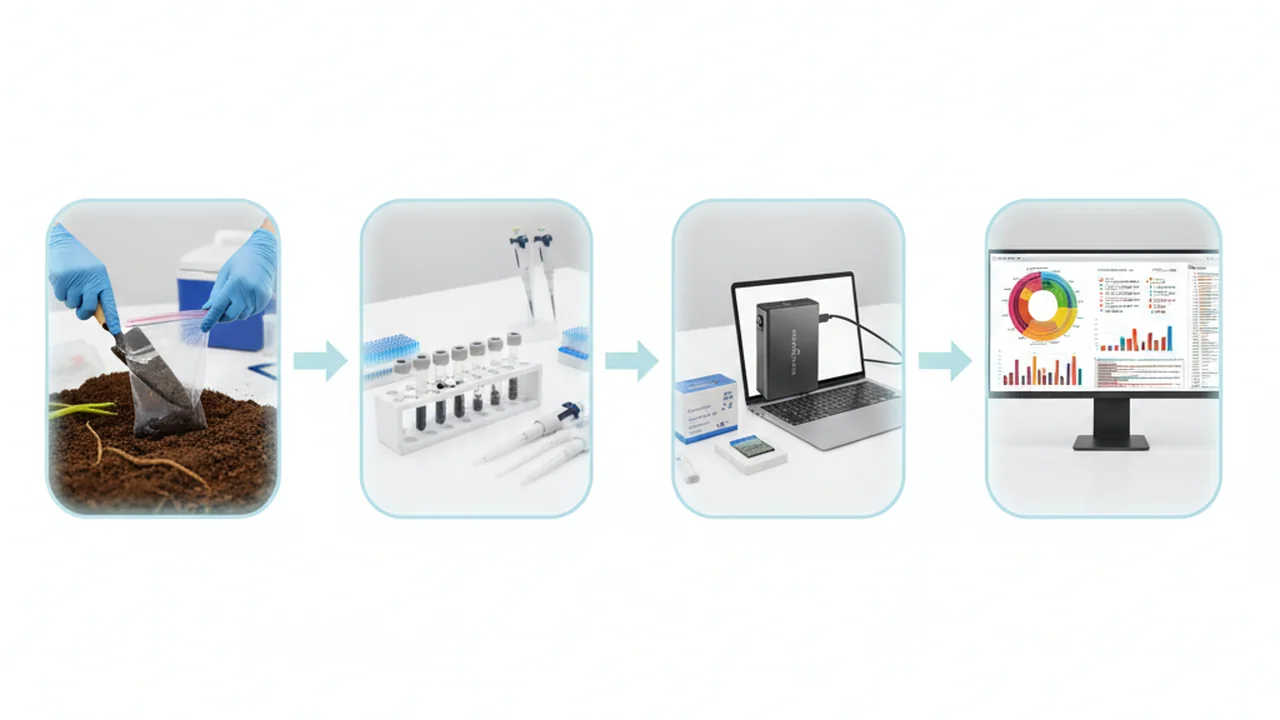
Throughout this program, you will move like a scientist, executing a complete laboratory-to-bioinformatics workflow. This involves several exciting stages:
In this mini-course, you will move like a scientist: choose a sampling site, collect material, extract DNA, test it, prepare it for sequencing, and finally interpret the data.
Environmental DNA (eDNA) refers to genetic material obtained directly from environmental samples (like soil, water, or air) without isolating the target organism first. This approach revolutionized ecology by allowing researchers to detect the presence of species, quantify biodiversity, and study microbial communities, even from organisms that are rare, cryptic, or difficult to observe directly. It’s a powerful tool for understanding ecosystems at a molecular level.
Before you even begin the lab work, the first step is conceptualizing your research. Think about where you might collect an environmental sample for a metagenomics study.
- Identify 2-3 potential sampling sites near you (e.g., a specific spot in a garden, a puddle, a patch of moss).
- For each site, consider what kind of microbial community you might expect to find there.
- Briefly jot down why you chose each site and what makes it interesting for microbial discovery.
How does the “lab-to-data” workflow empower you to be a true scientific investigator?
Imagine you’ve just discovered a completely new microbial community in your environmental sample. What kind of questions would you want to ask about it, and what impact do you think such a discovery could have on our understanding of life or our world?
Which activity is a core component of the citizen science model and workflow described in this lesson?
Through metagenomics and citizen science, you will directly participate in the full scientific process of discovering the invisible microbial world, from sampling to data interpretation.