THE VR SCHOOL
  • Schools & Districts
    • License the academy
    • Free program for your students
    • Request a demo
  • Catalog
    • AI & Data
    • Cybersecurity & Web
    • Programming
    • Health Science
    • All Guilds
    • All courses
  • Families
  • Accreditation
  • Log In
  • Request a demo
  • Home
  • Courses

Metagenomics Mini-Course

Curriculum

  • 12 Sections
  • 1 Lesson
  • 10 Minutes
Expand all sectionsCollapse all sections
  • Course Overview
    1
    • The Invisible World
      2
      • Lab Foundations
        3
        • DNA and Genomic DNA
          4
          • 4.4
            360° Tour: The DNA Workshop
            15 mins
        • Site Selection & Field Sampling
          3
          • DNA Extraction from Soil
            3
            • Quantitation and Nanodrop Analysis
              3
              • PCR: Testing DNA Purity
                3
                • Agarose Gel Electrophoresis
                  3
                  • Oxford Nanopore Library Prep
                    3
                    • Final Quantification
                      3
                      • Bioinformatics
                        3

                        Mastering the Pipette

                        Metagenomics Mini-Course

                        Mastering the Pipette

                        🕐 5 min read
                        The Big Question

                        In the microscopic world of molecular biology, how can tiny errors in measurement lead to massive failures in experimental outcomes?

                        Mastering precise liquid handling is a cornerstone of success in any molecular biology lab. Pipettes are your primary tools, and understanding their proper use is critical for accurate and reproducible results. Every microliter counts!

                        Mastering the Pipette: Step-by-Step Precision

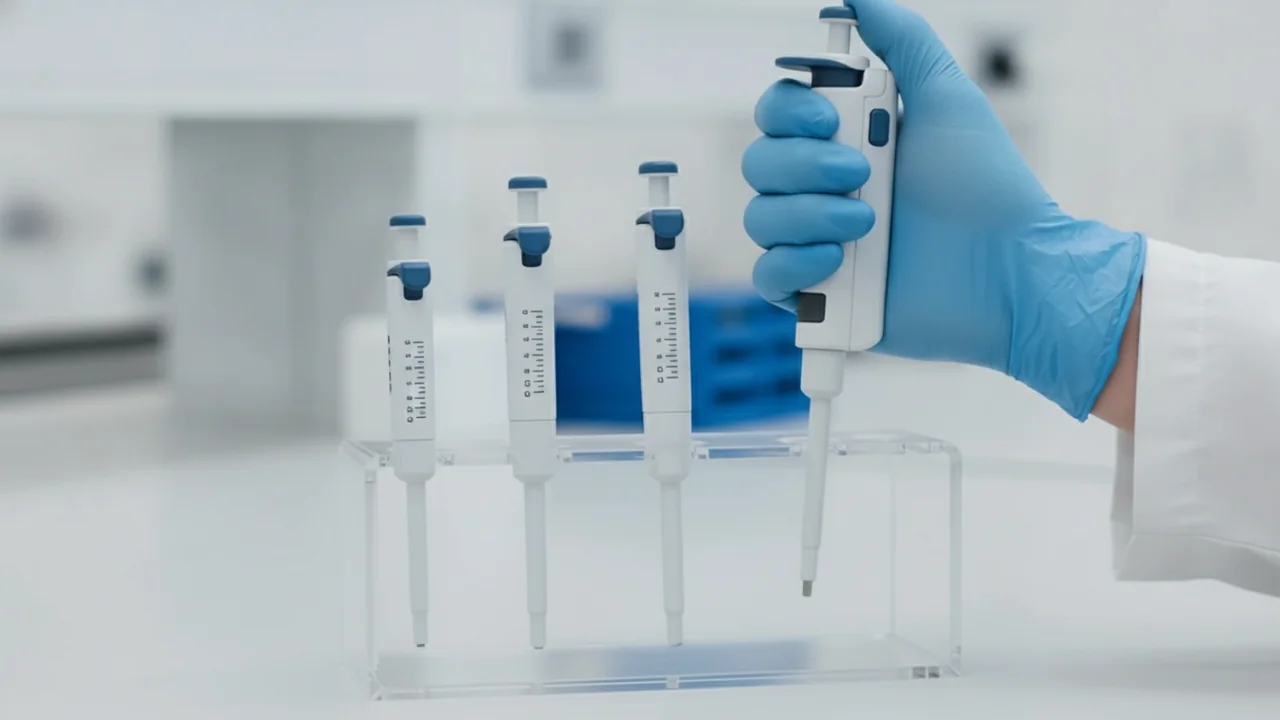
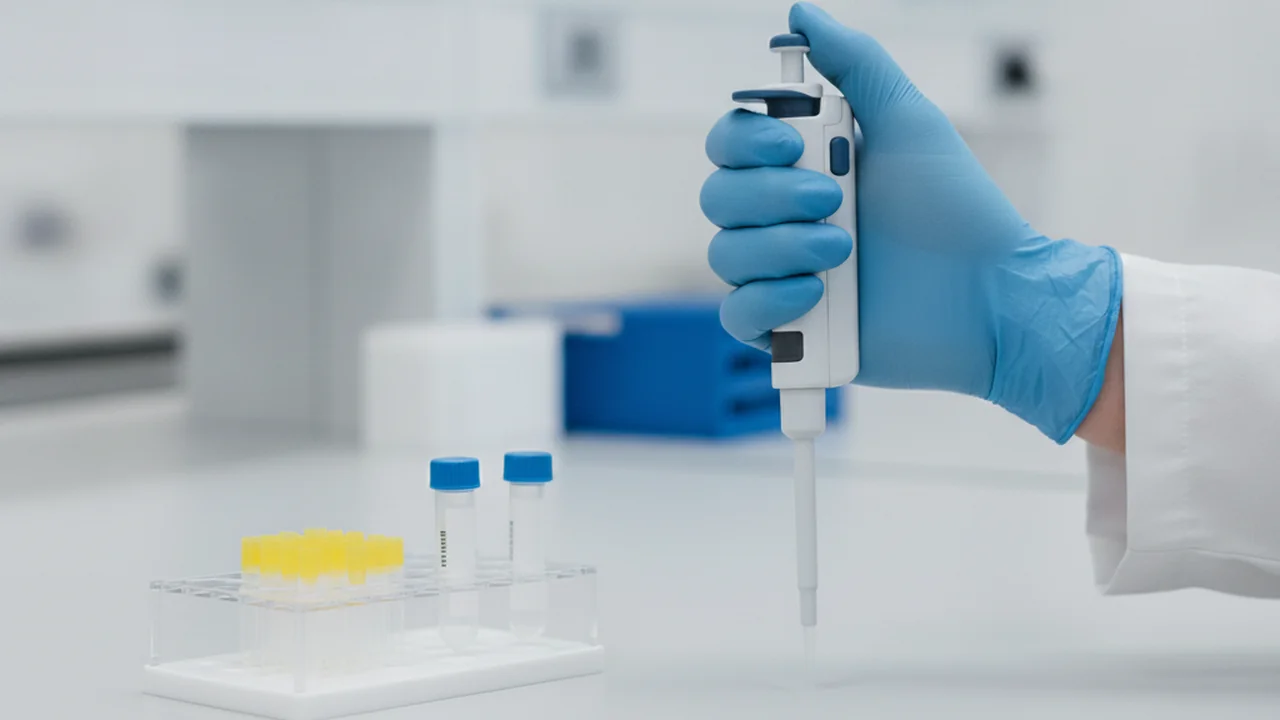
                        Follow these essential steps to ensure accurate and consistent liquid transfer with a micropipette. Each action, from selecting the right pipette to the final dispense, plays a crucial role in preventing errors and achieving reliable experimental data.
                        1
                        Step 1: Select the appropriate pipette for the needed volume
                        Step 1 · Select the appropriate pipette for the needed volume
                        2
                        Step 2: Adjust the dial to the desired volume
                        Step 2 · Adjust the dial to the desired volume
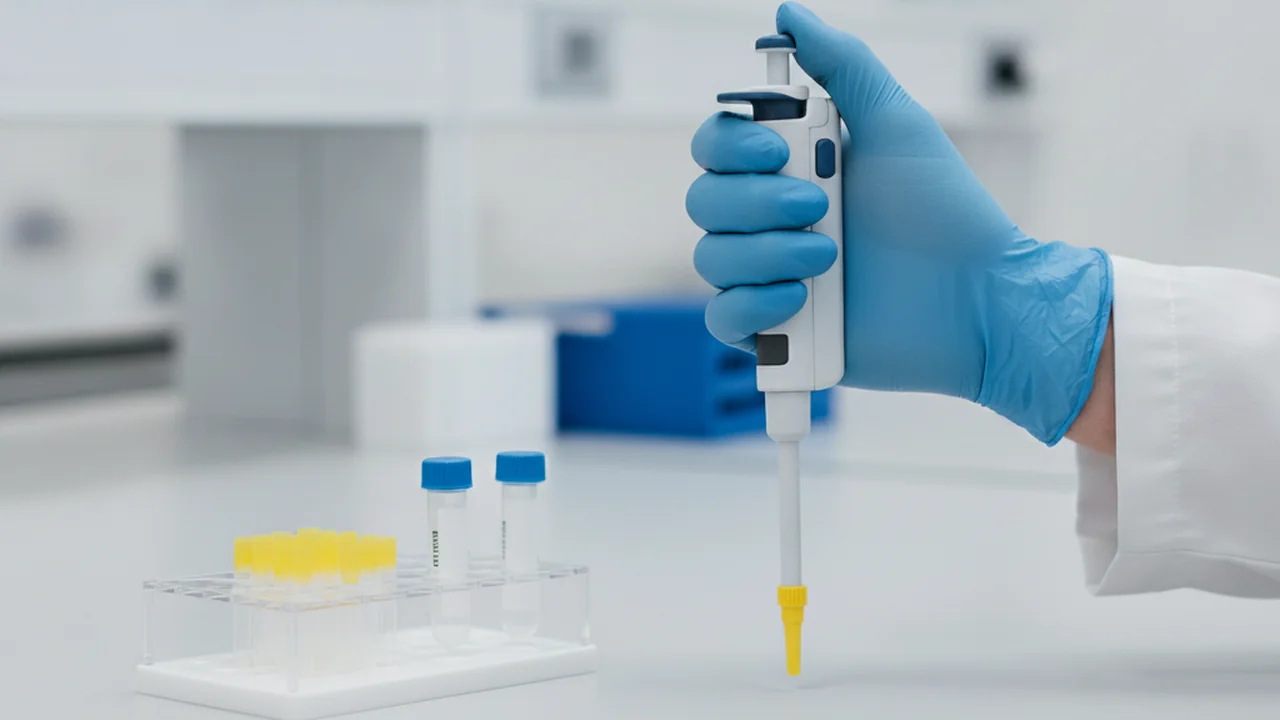
                        3
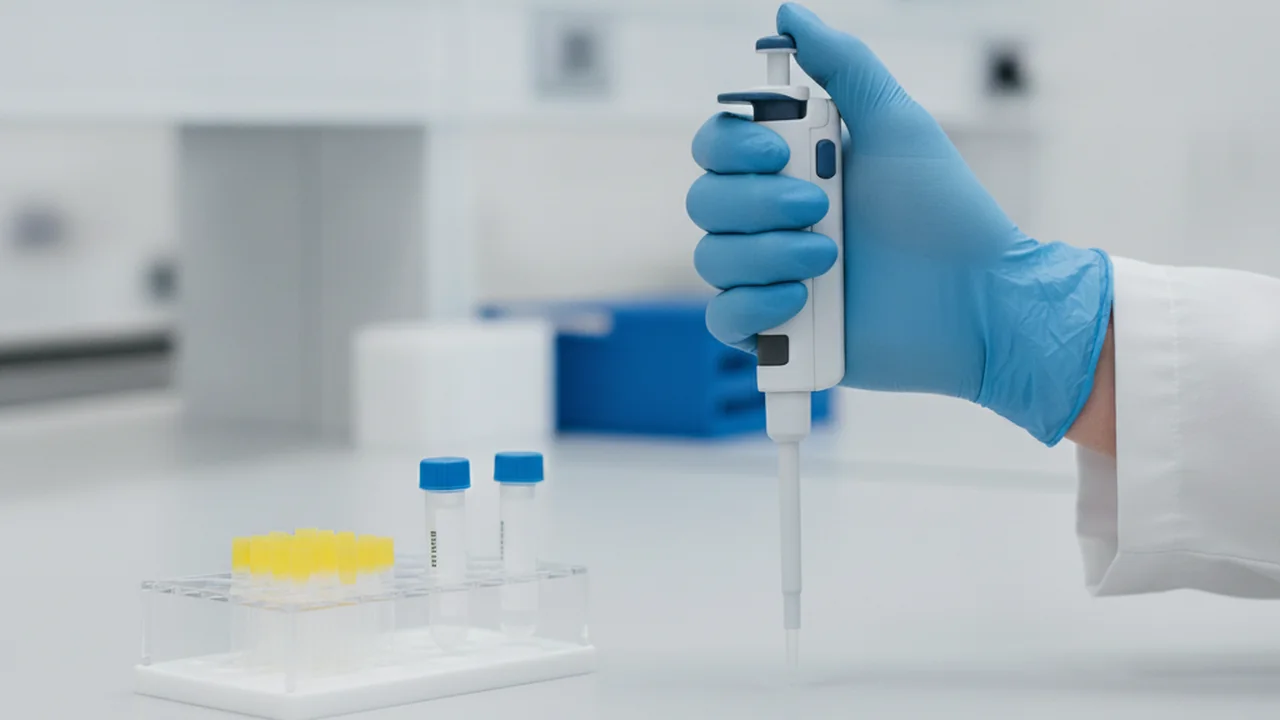
                        Step 3: Set the tip securely
                        Step 3 · Set the tip securely
                        4
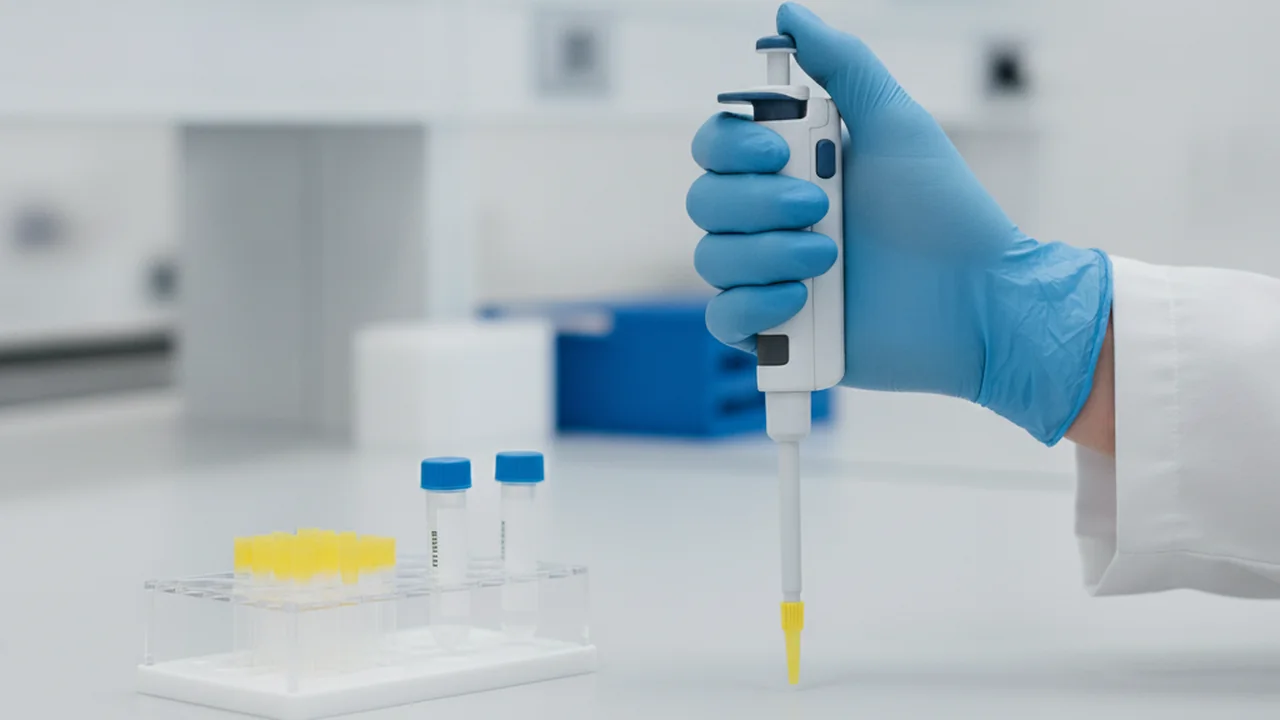
                        Step 4: Press and hold the plunger at the first stop
                        Step 4 · Press and hold the plunger at the first stop
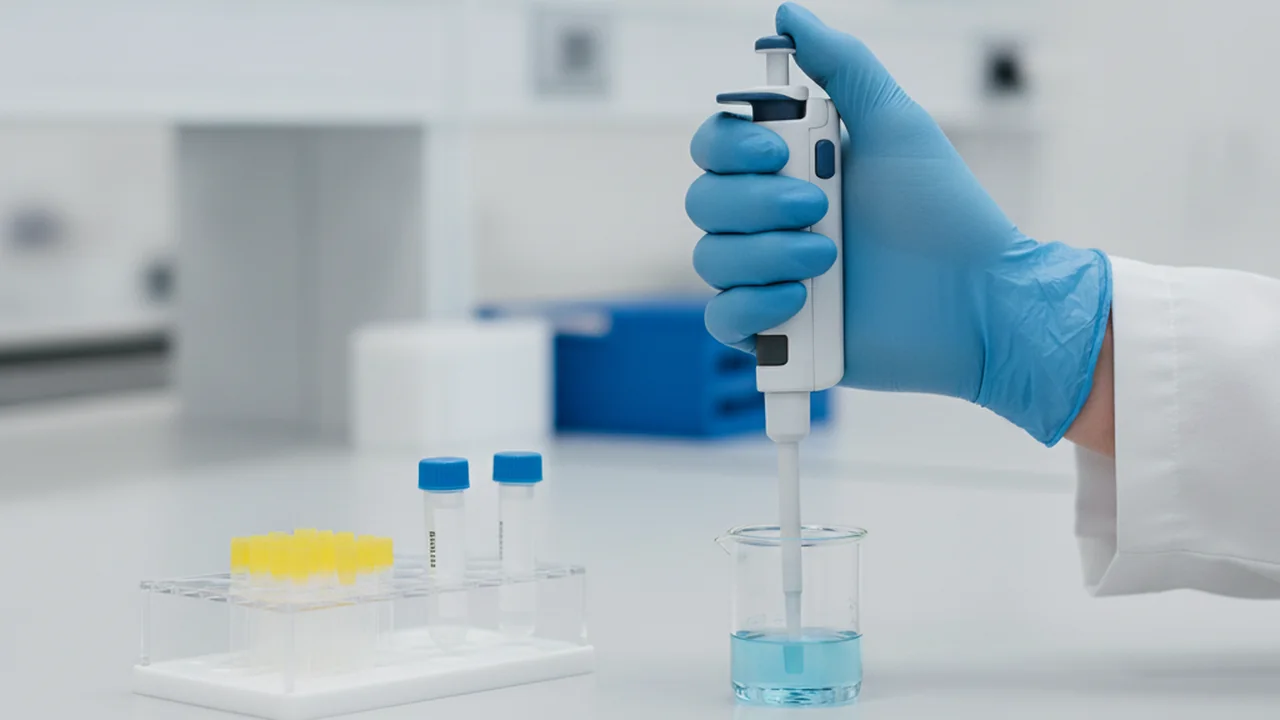
                        5
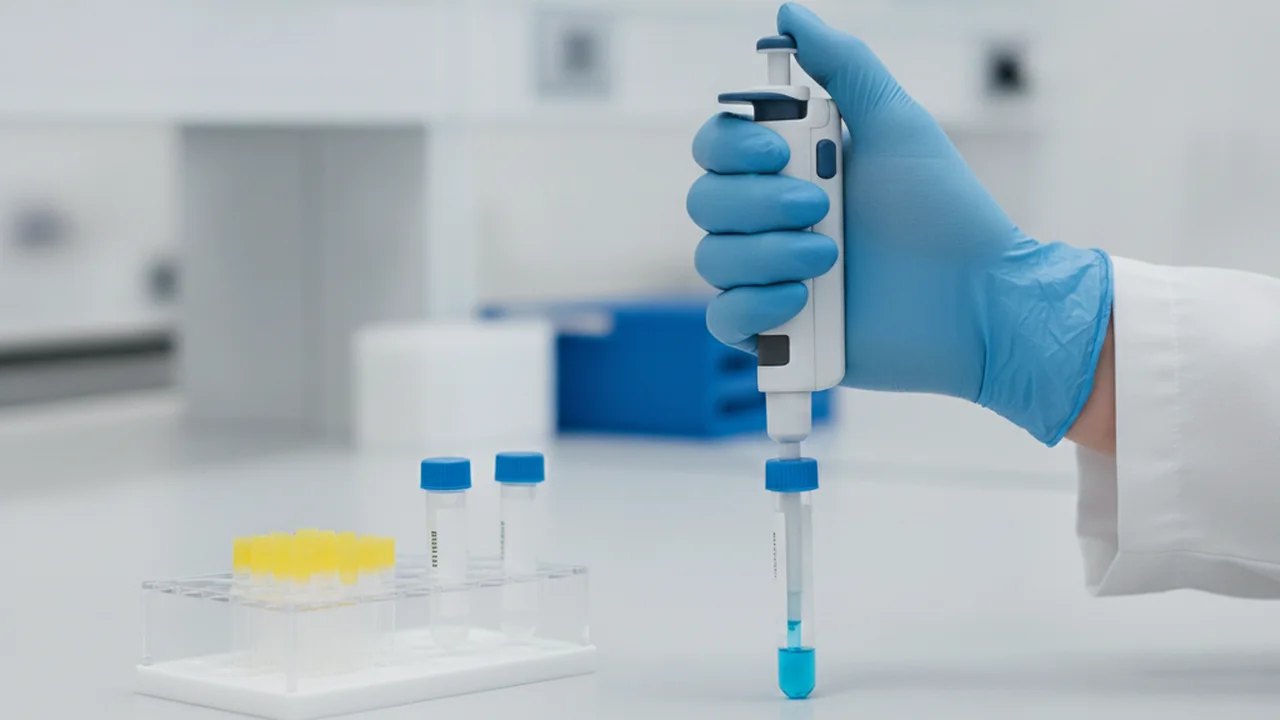
                        Step 5: Place the tip just below the liquid surface
                        Step 5 · Place the tip just below the liquid surface
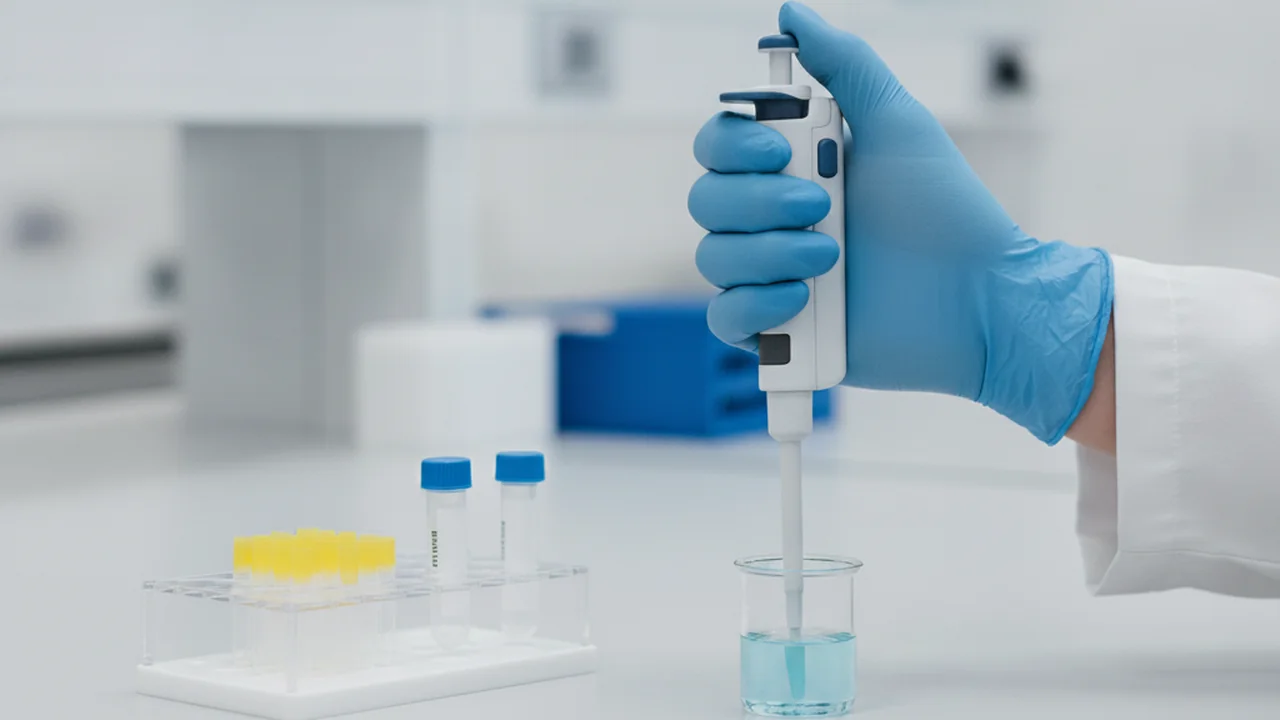
                        6
                        Step 6: Slowly release the plunger to draw up liquid
                        Step 6 · Slowly release the plunger to draw up liquid
                        7
                        Step 7: Pause, then remove the tip from the liquid
                        Step 7 · Pause, then remove the tip from the liquid
                        8
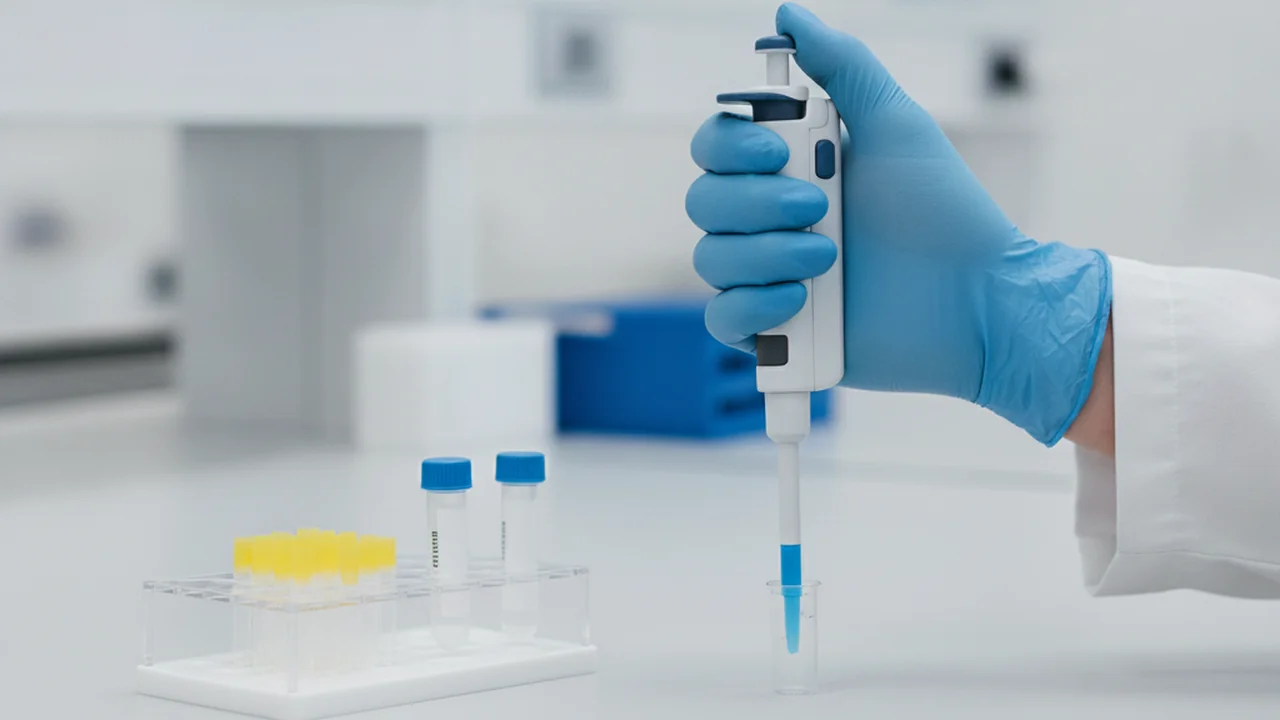
                        Step 8: Insert into the delivery vessel
                        Step 8 · Insert into the delivery vessel
                        9
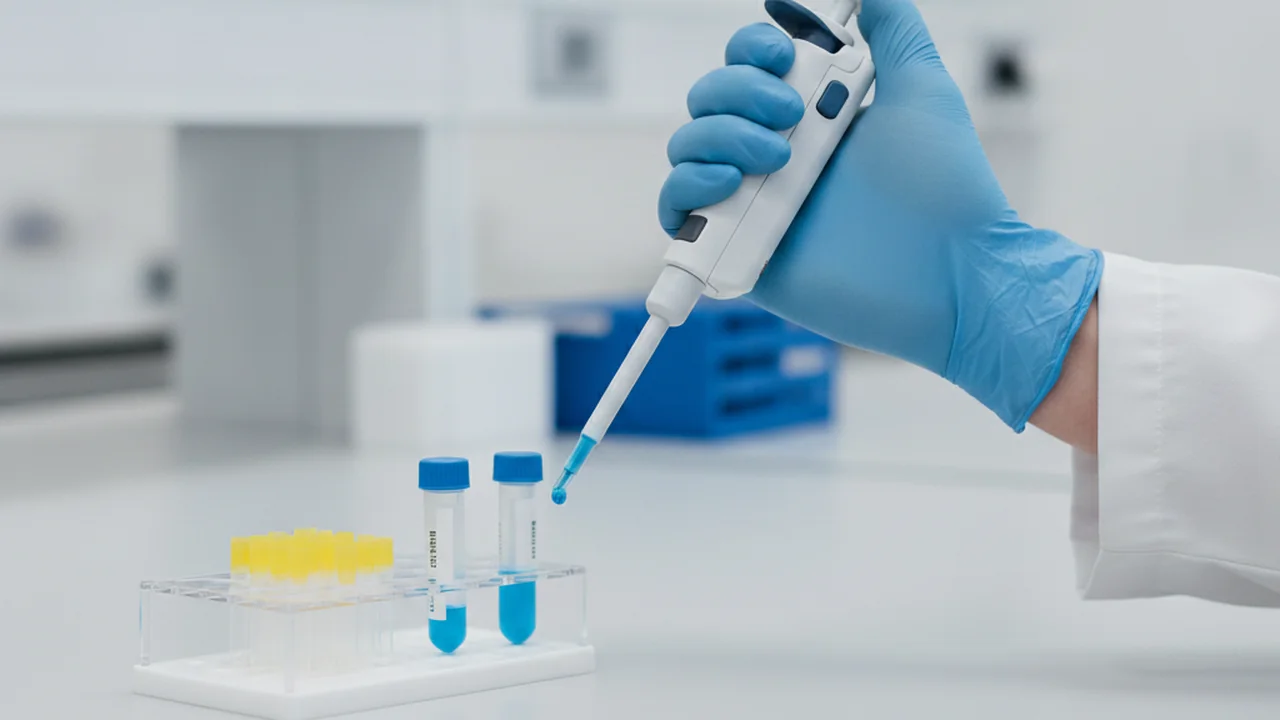
                        Step 9: Depress to the second stop to dispense
                        Step 9 · Depress to the second stop to dispense
                        10
                        Step 10: Before releasing, remove the tip from the liquid, then release slowly
                        Step 10 · Before releasing, remove the tip from the liquid, then release slowly

                        Consider which of these steps might be most commonly rushed or overlooked, and what consequences that could have for your experiment.

                        💡 Did You Know?

                        Common pipetting errors include incorrect tip immersion depth, pipetting too quickly, and failing to pre-wet the tip. Each can significantly impact the accuracy of your dispensed volume.

                        Want to go deeper? Pipette Types and Calibration

                        There are various types of pipettes, including air displacement, positive displacement, and electronic pipettes, each suited for different applications and liquid properties. Air displacement pipettes are the most common in molecular biology labs. Regular calibration, typically every 6-12 months, is essential to maintain their accuracy. This involves gravimetrically testing the dispensed volume against a known standard (often distilled water) using a high-precision balance.

                        • Proper pipetting technique is crucial for accurate experimental results.
                        • Each step, from selection to dispense, contributes to precision.

                        Understanding Weight Conversions

                        In molecular biology, substances are often measured in very small units of mass. Familiarity with these conversions is vital for preparing reagents and understanding experimental protocols.

                        ng
                        nanogram
                        ≈ a single cell
                        ×1000
                        →
                        µg
                        microgram
                        ≈ a grain of pollen
                        ×1000
                        →
                        mg
                        milligram
                        ≈ a grain of sand
                        ×1000
                        →
                        g
                        gram
                        ≈ a paperclip
                        Each step up is a 1,000× jump in mass — from a nanogram to a gram spans a billion-fold range.
                        Metric Weight Conversions
                        • 1 mg = 1,000 µg
                        • 1 µg = 1,000 ng
                        • 500 µg = 0.5 mg
                        • 1,000 mg = 1 g

                        Remembering these fundamental relationships will allow you to quickly convert between units, preventing errors in your calculations.

                        ❌ Common Misconception

                        Roughly estimating volumes or weights is “good enough” for most experiments.

                        ✅ The Reality

                        Even slight deviations from precise measurements can lead to significant variations in reaction kinetics, enzyme activity, and ultimately, the success or failure of sensitive molecular biology experiments.

                        ⏱ 5 minutes
                        Activity: Pipetting Accuracy Exercise

                        Test your pipetting skills and the calibration of your instrument.

                        1. Use a laboratory balance to weigh 1 ml of water dispensed with your P1000.
                        2. Pure water has a density of 1 g/ml, so 1 ml should weigh approximately 1.0 gram.
                        3. Note any deviation, which indicates pipetting error or instrument calibration issues.

                        Regularly performing accuracy checks like this exercise is a standard practice in GLP (Good Laboratory Practice) certified labs. It ensures data integrity and the reliability of research findings, especially in pharmaceutical and diagnostic development.

                        How might the results of this accuracy exercise impact your confidence in your pipetting technique and the reliability of your future experimental data?

                        Practice Questions

                        +50 XP

                        How many microliters are in 1.5 ml?

                        Review the “Metric Weight Conversions” section to find the answer.
                        +50 XP

                        How many micrograms are in 12,500 ng?

                        Review the “Metric Weight Conversions” section for unit conversions.
                        +50 XP

                        How many nanograms are in 0.05 mg?

                        Refer to the “Metric Weight Conversions” section for multi-step unit conversions.

                        Reflect on a time when a small measurement error in any context (e.g., cooking, DIY, or a previous lab class) led to an unexpected or undesired outcome. How did that experience highlight the importance of precision?

                        0 words Take your time — depth matters more than length

                        Visualizing Precision: The Importance of Every Droplet

                        In molecular biology, tiny volumes matter. A few microliters can decide whether an experiment succeeds or fails.

                        Beyond precision in volume, maintaining sterility during pipetting is paramount. A single contaminant can invalidate an entire experiment, making aseptic technique as important as accurate measurement.

                        How does the visual concept of a magnified droplet with animated molecules enhance your understanding of why precision is so critical at the molecular level?

                        Key Takeaway

                        Mastering precise pipetting techniques and understanding metric conversions are fundamental skills that directly impact the accuracy, reproducibility, and ultimate success of molecular biology experiments.

                        SHIFT

                        The Shift

                        • Precision in pipetting and measurement is not merely a technical skill but a foundational principle for reliable scientific inquiry in molecular biology.
                        • Understanding and applying metric unit conversions is essential for accurate reagent preparation and experimental design.
                        • Even seemingly small errors in volume or weight can have cascading effects, determining the success or failure of complex molecular experiments.
                        End of lesson Ready for the next lesson?
                        Continue to next lesson  →
                        Metric System, Volume, Weight & Pipetting
                        Prev
                        The Value of Meticulous Measurement
                        Next

                        © 2026 The VR School | Career content by Wiley | Powered by Sejal Learning Systems.

                        Join free · Accreditation · Privacy Policy · Terms of Service

                        Modal title

                        Main Content